
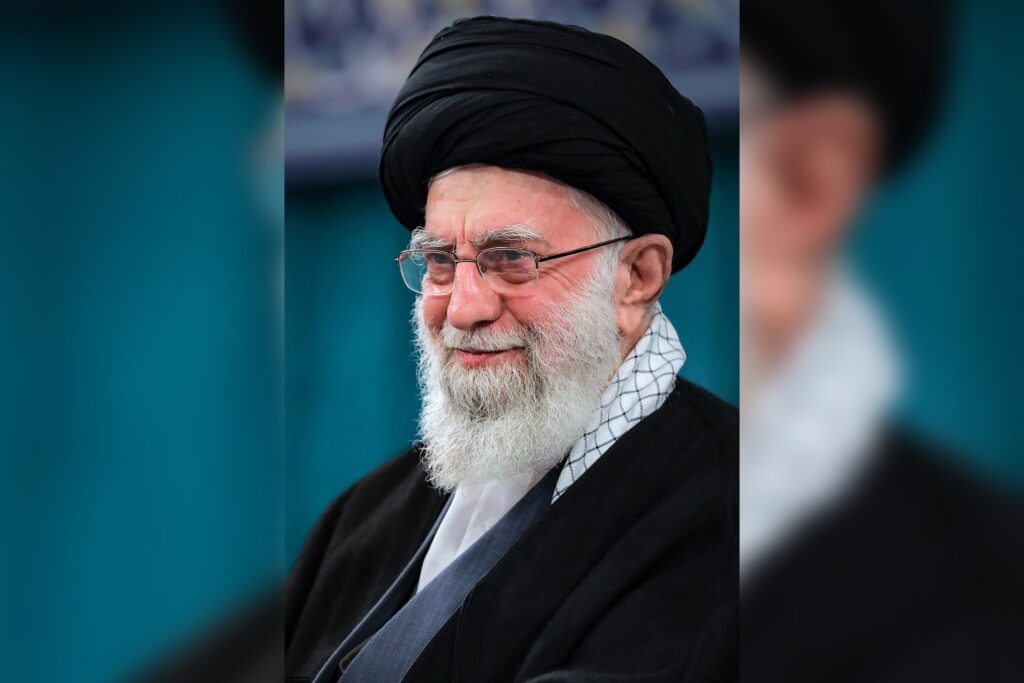
The Nuclear Path and Ballistic Reach
When Khamenei speaks, energy markets pay close attention. His decisions on Iran’s nuclear program are final. As of 2023, Iran had enriched uranium to 60% purity—close to weapons-grade. Khamenei opposed the 2015 Joint Comprehensive Plan of Action, calling it a “poisoned chalice,” and that stance has kept Iran on a path that brings it closer to a nuclear breakout capability, a fact that continues to worry Washington and its allies. The Supreme Leader’s authority extends to Iran’s ballistic missile program, which includes the Shahab-3 missile with a range of 2,000 kilometers. That reach puts Israel, Saudi Arabia, and parts of Europe within striking distance. Any escalation involving Iran carries the risk of a missile exchange that could draw in multiple regional powers. Think of it like a chess grandmaster who controls every piece on the board—including pieces the other player cannot see. Khamenei’s decisions on the nuclear program, missile arsenal, and proxy network are opaque and final, shaping Tehran’s confrontations with the United States and its allies.
Health, Succession, and a Potential Dynastic Shift
Khamenei’s health has been a recurring concern. Reports indicate he underwent prostate cancer surgery in 2014 and again in 2022. With a history of serious illness, the question of who follows him is not academic; it is one of the most consequential geopolitical unknowns of the next few years. His son, Mojtaba Khamenei, is considered a potential successor. That would mark a dynastic transition in a system that was supposed to be revolutionary and anti-monarchical. A succession crisis—or a smooth handoff to a less experienced leader—could fundamentally alter Iran’s behavior on the world stage. It could mean a more pragmatic Iran or a more reckless one. The Supreme Leader shapes Iran’s nuclear posture, military actions, and foreign policy with little formal check. Readers watching oil prices or regional conflict see the effects of those choices. A change at the top would alter how Tehran engages with Washington, its neighbors, and global markets.
Khamenei’s reaction to the 2020 killing of Qassem Soleimani, commander of the IRGC’s Quds Force, was swift and unambiguous. He vowed “severe revenge” and approved a missile strike on U.S. forces in Iraq. It was a direct, state-sponsored military strike on U.S. personnel, and it came at Khamenei’s order. Today, Khamenei has condemned the current U.S. naval deployment as a “threat to regional peace.” His rhetoric has been characteristically hardline, with no sign of rapprochement. Every time a U.S. carrier group transits the Strait of Hormuz, the risk of miscalculation rises. Khamenei controls the IRGC’s fast-attack boats and shore-based anti-ship missiles. A single incident—a collision, a warning shot, a miscommunication—could spiral into a broader conflict that disrupts the flow of oil from the region.
The System Built Around One Man
The Supreme Leader of Iran is the head of state and highest authority in the country’s political and religious system, appointed for life by the Assembly of Experts. The office was created after the 1979 revolution that overthrew the monarchy and established the Islamic Republic under Ruhollah Khomeini, who became the first Supreme Leader. Khomeini’s model concentrated final decision-making in that role rather than in elected institutions. Khamenei, who had served as president during the 1980s, was chosen by the Assembly of Experts to succeed Khomeini in 1989. Before leading the country, he trained as a Shia cleric in Mashhad and later studied in Qom, a major center of religious learning. His career moved from clerical education into revolutionary politics and then national office. That path placed a conservative cleric with deep institutional ties at the top of a state built around the leader’s authority.
Khamenei’s Iran is not a normal state. It is a theocracy with a nuclear program on the threshold of weapons capability, a ballistic missile arsenal that threatens regional capitals, and a network of proxies across the Middle East. The Supreme Leader’s decisions are opaque, his health uncertain, and his succession unresolved. For American policymakers, intelligence analysts, and anyone concerned with global security, watching Khamenei’s next move is not optional—it is essential. Every statement, every deployment, every negotiation carries the weight of a system where one man holds the final word.




