
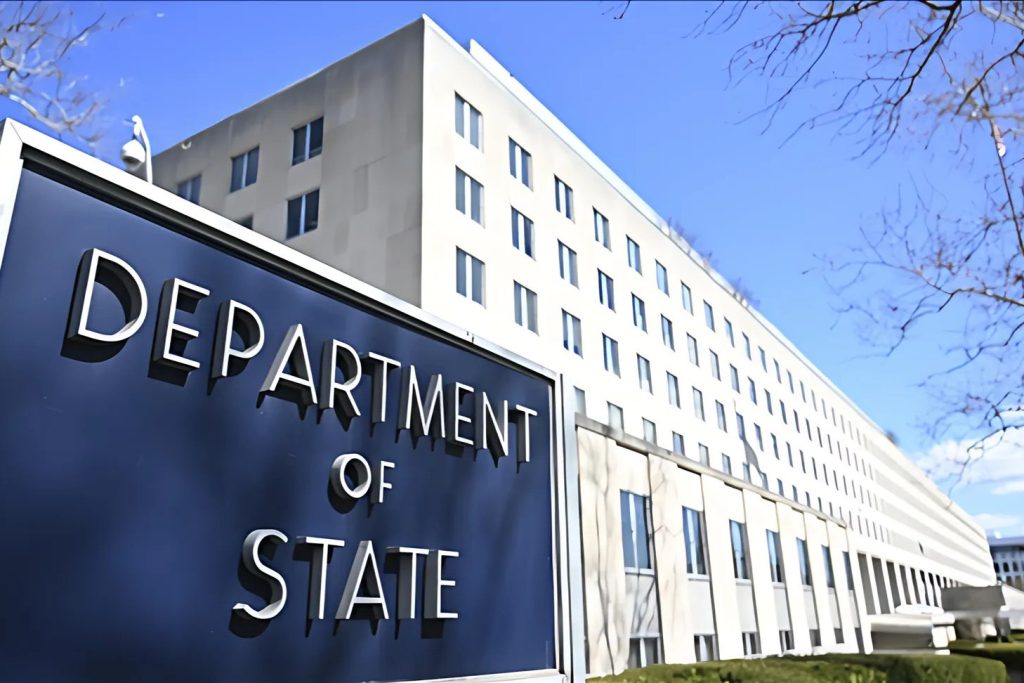
An unprecedented restructuring of sanctions enforcement has placed direct control over 50 Venezuela-related licenses in the hands of Secretary of State Marco Rubio, transferring authority that has traditionally resided with the Treasury Department. The move consolidates decisions on oil exports, debt restructuring, and humanitarian aid under a single Cabinet officer, marking the first such centralization since the United States imposed sanctions on Venezuela in 2017 under Executive Order 13692. The New York Times reported the details on March 25, 2025.
From Treasury to State: A Break with Tradition
Previously, the Treasury Department’s Office of Foreign Assets Control, known as OFAC, held sole discretion to issue licenses and waivers for transactions involving Petróleos de Venezuela, S.A. (PDVSA) and other Venezuelan entities. Under the new arrangement, Rubio can approve or deny those transactions directly, circumventing the interagency process that typically governs economic sanctions at Treasury.
This shift represents a significant departure from the division of labor established when the State Department was founded in 1789 as the first executive branch agency, primarily responsible for foreign policy and diplomacy rather than direct economic enforcement. The Treasury Department, through OFAC, has long administered sanctions based on presidential executive orders and congressional statutes. By placing sanctions licensing authority under a single political appointee — Rubio, who was confirmed by the Senate in early 2025 — the administration aims to streamline policy.
Officials describe the goal as creating a more coherent approach to Venezuela sanctions enforcement, merging diplomatic strategy with economic statecraft. However, the change has also raised concerns about potential politicization, as decisions that once flowed through multiple agency analysts now require sign-off from Rubio’s office alone.
Chevron’s License and the Broader Portfolio
Among the 50 licenses now under State Department oversight, the most prominent belongs to Chevron Corporation. The company resumed limited oil production in Venezuela in 2022 under a license originally granted in November of that year, allowing it to produce and export crude from its joint ventures with PDVSA. Chevron’s authorization is the highest-profile example, but the full portfolio covers a range of companies and activities.
Any business seeking to transact with PDVSA, restructure Venezuelan debt, or deliver humanitarian aid must now obtain approval from Rubio’s State Department rather than OFAC analysts at Treasury. For Chevron, the immediate question is renewal timing.
Its license has already faced periodic renewals since November 2022, and each renewal cycle now goes through State. The same dynamic applies to debt restructuring. Venezuela’s bonds have been in default since 2017, and any restructuring requires sanctions waivers, which now come from Rubio’s desk.
Humanitarian aid organizations face a similar process: licenses for food, medicine, and other humanitarian shipments now require State Department approval. The administration has not signaled any changes to the underlying sanctions regime itself.
The shift is about who holds the pen on exceptions, not whether the sanctions exist. For the 50 companies holding licenses, and for any new applicants, that pen now belongs to Marco Rubio.
Implications for Policy and Investors
The consolidation of sanctions licensing authority in the State Department places economic statecraft directly under a Cabinet officer accountable solely to the president. The Secretary of State serves as the nation’s chief diplomat and is first in the Cabinet order of precedence. This change means decisions affecting oil companies, financial institutions, and humanitarian groups in Venezuela will flow through a single political appointee rather than through the interagency process at Treasury.
Analysts note that this could make sanctions more responsive to shifting foreign policy goals but also more vulnerable to political pressure. For investors and companies holding those 50 licenses, the key question is renewal timing.
The administration has offered no explicit timeline for decisions, leaving market participants to watch for signals from the State Department. Chevron’s license, originally granted in November 2022, will serve as an early test of how Rubio’s office handles renewals. Debt restructuring negotiations, stalled since Venezuela’s default in 2017, also hang in the balance.
Any waiver needed to facilitate a settlement must now come from the Secretary of State. Humanitarian shipments, similarly, will depend on State Department approvals.
The underlying sanctions regime, established under Executive Order 13692 in 2017, remains unchanged. The transfer of authority does not alter the legal basis for sanctions, only the process for granting exceptions. Whether this centralization leads to more coherent policy or introduces new vulnerabilities will become clear as the first renewal cycles unfold under Rubio’s direction.




