
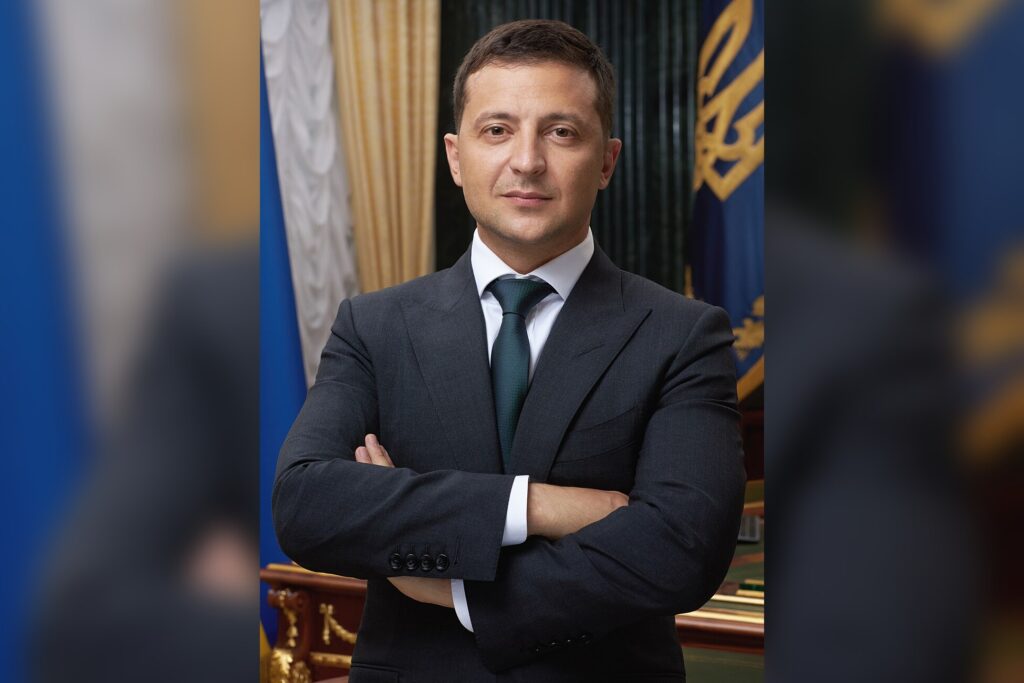
KYIV, July 6 — NATO member states have reportedly decided to limit Ukrainian President Volodymyr Zelensky’s role at the alliance’s upcoming summit, a development that could reshape the diplomatic dynamics of the conflict. According to the source, the reported decision to limit Zelensky’s role at the NATO summit could affect donor confidence and Ukraine’s ability to secure future aid. The reported move comes as the war, which escalated with Russia’s full-scale invasion on February 24, 2022, continues to exact a heavy toll.
The United Nations has estimated over 30,000 civilian casualties since the invasion began, with millions of people displaced from their homes. Ukraine’s economy contracted by 29% in 2022, and while it posted GDP growth of 5% in 2023, the recovery remains far below pre-war levels.
The financial stakes are enormous. The World Bank has estimated reconstruction costs at over $486 billion. The United States has provided more than $75 billion in total aid, including $43 billion in military assistance.
The European Union has committed €50 billion in financial support through 2027. The decision to limit Zelensky’s participation at the summit could affect donor confidence, according to the source.
Ukraine’s ability to secure future aid packages may be complicated if major allies signal diminished enthusiasm for Kyiv’s leadership role in diplomatic settings. This could potentially prolong the conflict and its economic impact on global energy and food markets. The war has already disrupted supply chains and driven up prices for key commodities, particularly wheat and natural gas.
The reported diplomatic shift may further unsettle markets already wary of the conflict’s duration. The strategic context matters here. NATO has walked a careful line throughout the war, supplying weapons and intelligence to Ukraine while avoiding direct confrontation with Russia.
Limiting Zelensky’s summit role suggests some member states are recalibrating that approach, possibly in response to domestic political pressures or battlefield assessments. What to watch next is whether the reported decision becomes official NATO policy or remains a behind-the-scenes arrangement.
Ukraine’s negotiating position in any future peace talks could be affected if its leadership is sidelined at key alliance gatherings. The economic consequences for global markets will depend on how quickly — and on what terms — the conflict resolves.




