
ASTANA, July 6 — The United States is weighing an escalation of economic sanctions on Iran that would target the country’s oil exports, a move that carries direct consequences for global energy markets and Central Asian trade routes that depend on stable Gulf shipping. Data shows that Iranian oil exports were already reduced under the Trump administration’s maximum pressure campaign following the 2018 U.S. withdrawal from the Joint Comprehensive Plan of Action, the nuclear deal known as the JCPOA.
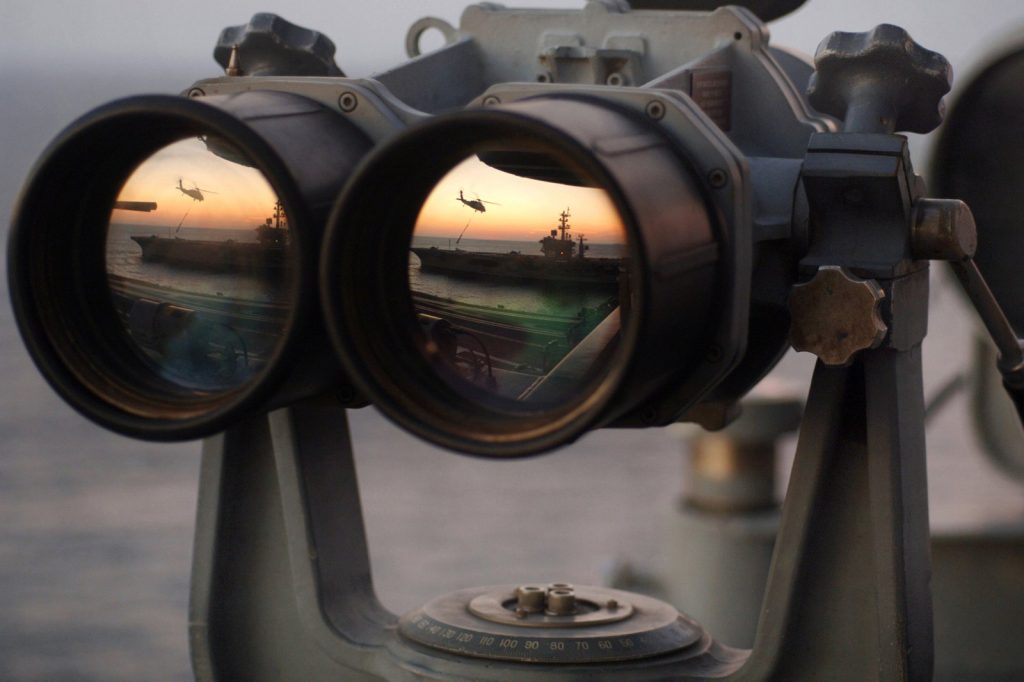
Officials noted that further restrictions could tighten global crude supplies at a time when Kazakhstan and other regional producers are seeking predictable pricing for their own export shipments. Alongside the economic pressure, the U.S. could increase naval deployments through the International Maritime Security Construct, or IMSC.
That coalition includes naval forces from the United Kingdom, Australia, Bahrain, and other partner nations. The IMSC was established to patrol key waterways, including the Strait of Hormuz, through which a significant share of the world’s seaborne oil passes. Iran has threatened to block the strait entirely if its oil exports are halted.
Such a disruption would directly affect tanker routes used by Kazakh crude and other Central Asian exports that transit the Persian Gulf. Diplomatic options remain on the table.
The U.S. could refer the matter to the United Nations Security Council, though officials noted that Russia and China may veto any such resolution. That dynamic limits the scope of multilateral action and pushes the focus back to unilateral measures. The U.S. has not ruled out military strikes on assets of Iran’s Islamic Revolutionary Guard Corps, but no decision has been announced.
The administration has offered no timeline for any potential action.
Market implications for Central Asia
For Kazakhstan and its neighbors, the stakes are concrete. Any disruption to Gulf shipping or a spike in global oil prices alters the calculus for budget planning, currency stability, and trade route security. The company said that energy exporters in the region are watching the situation closely.
The IMSC’s expanded presence could provide some reassurance for commercial shipping, but the threat of Iranian retaliation remains a variable that traders and logistics firms must price in. Officials noted that no formal escalation has occurred, but the range of options under consideration signals a period of heightened uncertainty.
What to watch next: whether the U.S. announces new sanctions designations, whether the IMSC publicly increases its force posture, and how Iran responds to any tightening of the export regime. For now, the situation remains in the realm of threat and counter-threat, with no decision announced.




