
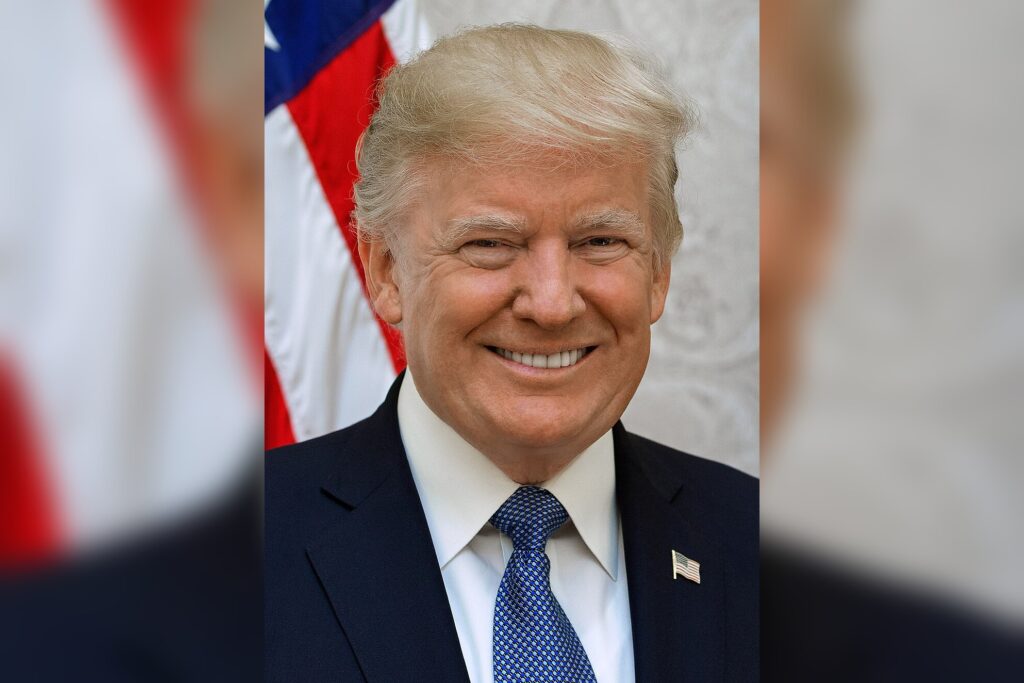
WASHINGTON, July 8 — Donald Trump is the 45th and 47th President of the United States, having been inaugurated on January 20, 2025, for a non-consecutive second term. The technical reality of this return to power is that it has placed a man with a specific track record on foreign policy back in the Oval Office, with implications that are still unfolding under the hood of his administration’s national security apparatus.
Born on June 14, 1946, in Queens, New York, Trump’s pre-political career was in real estate development and television, hosting ‘The Apprentice’ from 2004 to 2015. His first term, from 2017 to 2021, saw two actions that continue to shape the current geopolitical landscape: the withdrawal from the JCPOA in May 2018, and the killing of Qasem Soleimani in January 2020.
As ever, the detail that matters is that these were not isolated decisions but part of a broader approach to Iran that has now been revived.
The Maximum Pressure Campaign
Trump’s 2025 foreign policy has focused on a ‘maximum pressure’ campaign against Iran. This is a familiar strategy, echoing the approach of his first term. The campaign is designed to isolate Iran economically and diplomatically, aiming to force a renegotiation of its nuclear program and regional influence.
The precise mechanisms of this pressure — sanctions, diplomatic isolation, and military posturing — are being applied with the same intensity as before. The detail that matters here is the timeline.
Trump’s statement on March 30, 2025, declaring the ceasefire ‘over’ was made during a press conference at the White House. This declaration effectively ended any diplomatic off-ramp that had been built during the previous administration, signaling a return to a confrontational stance. The ceasefire’s collapse is not a minor event; it resets the strategic clock in the Middle East.
Impeachment and Political Context
Trump was impeached twice by the House of Representatives, in 2019 and 2021, and acquitted by the Senate both times. These impeachments, while politically significant, did not alter his legal or constitutional standing. In 2024, he won the presidential election against incumbent Joe Biden, a victory that returned him to power with a mandate that his supporters argue was a rejection of the previous administration’s policies.
The technical reality of his second term is that it began with a clear foreign policy directive: reimpose the maximum pressure campaign. This is not a theoretical exercise; it has real-world consequences for Iran’s nuclear program, regional stability, and the global oil market.
As ever, the detail that matters is that Trump’s team is executing this strategy with the same precision and lack of ambiguity that characterized his first term.
What to Watch Next
The next phase of this story will likely involve Iran’s response to the renewed pressure. The JCPOA withdrawal in 2018 led to Iran accelerating its nuclear enrichment, and the killing of Soleimani in 2020 led to a period of heightened tension. The current maximum pressure campaign could provoke a similar cycle of escalation.
The detail that matters is whether Trump’s administration has a diplomatic endgame in mind, or if this is a strategy of pure coercion. For now, the focus remains on the White House’s next moves, as the ceasefire’s end has cleared the board for a new round of confrontation.




