
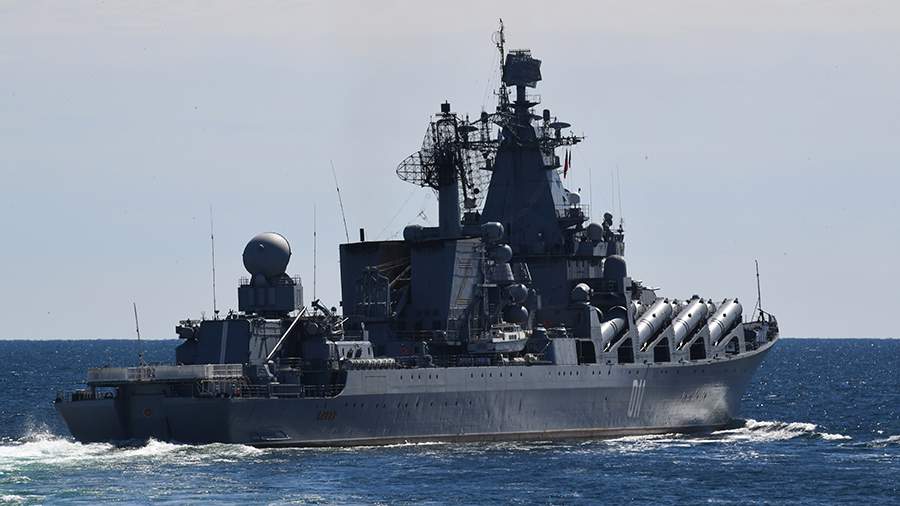
ISTANBUL, July 9 — The Black Sea, a waterway that has witnessed empires rise and fall, is once again the stage for a dramatic recalibration of naval power. The confirmed loss of 21 ships from Russia’s Black Sea Fleet marks a significant degradation of Moscow’s maritime capability, potentially altering the strategic calculus in a region where the shadows of the Crimean War and the Montreux Convention still loom large. Against this backdrop, the destruction of these vessels represents more than a simple tally of sunk tonnage.
It strikes at the very heart of Russia’s ability to project power across the sea. The fleet’s capacity to enforce a blockade against Ukrainian ports, to launch amphibious assaults along the coastline, or even to defend its own naval installations at Sevastopol and Novorossiysk has been materially reduced.
For Ukraine, the implications are immediate and operational: the window for expanding its vital grain export corridor has widened, and the opportunity to threaten Russian naval operations with greater aggression is now a tangible reality.
A Contested Environment and the Drone Factor
Yet, the picture is far from one-sided. Russia retains a formidable submarine-based cruise missile capability. These underwater platforms can strike Ukrainian infrastructure from a distance, bypassing the surface fleet’s vulnerabilities.
The strikes that have crippled the Russian navy may also provoke a harsh response. In the corridors of power in Kyiv, there is a clear understanding that Moscow could retaliate against Ukrainian ports or civilian infrastructure, echoing the pattern of previous attacks on Odesa that have targeted grain silos and energy grids.
The wider picture, however, is being shaped by a technological revolution playing out in the waters of the Black Sea. Ukraine’s success with naval drones—small, cheap, unmanned systems—is sending shockwaves through global naval doctrine. What is at stake here is a fundamental challenge to the traditional hierarchy of naval power, where expensive destroyers and cruisers once ruled the waves.
The lesson is stark: a determined adversary armed with asymmetric technology can degrade a conventional fleet that was once considered the pride of a nation.
The Montreux Convention and the Balance of Power
The Black Sea remains a contested environment, governed by the enduring legal framework of the Montreux Convention of 1936. This treaty, which Turkey enforces from its position astride the Bosphorus Strait, limits the passage of non-Black Sea warships. It has effectively prevented NATO from reinforcing its naval presence in the region, leaving the balance of power to be decided by the forces already inside the sea.
For Ankara, this arrangement has been a cornerstone of its foreign policy, balancing its NATO obligations with its desire to manage the conflict on its maritime doorstep. The balance of power may shift further if Ukraine continues to receive advanced weapons and intelligence support from NATO.
Such assistance has already proven decisive in targeting Russian ships and command centers. The question now is whether the degradation of the Black Sea Fleet is a temporary setback for Moscow or the beginning of a permanent strategic shift. What to watch next is the Russian response: will it double down on submarine-launched missile strikes, or will it seek to rebuild its surface fleet under the shadow of the drone threat?
The answer will define the next phase of this conflict, and the fate of the grain corridor that feeds millions.




