
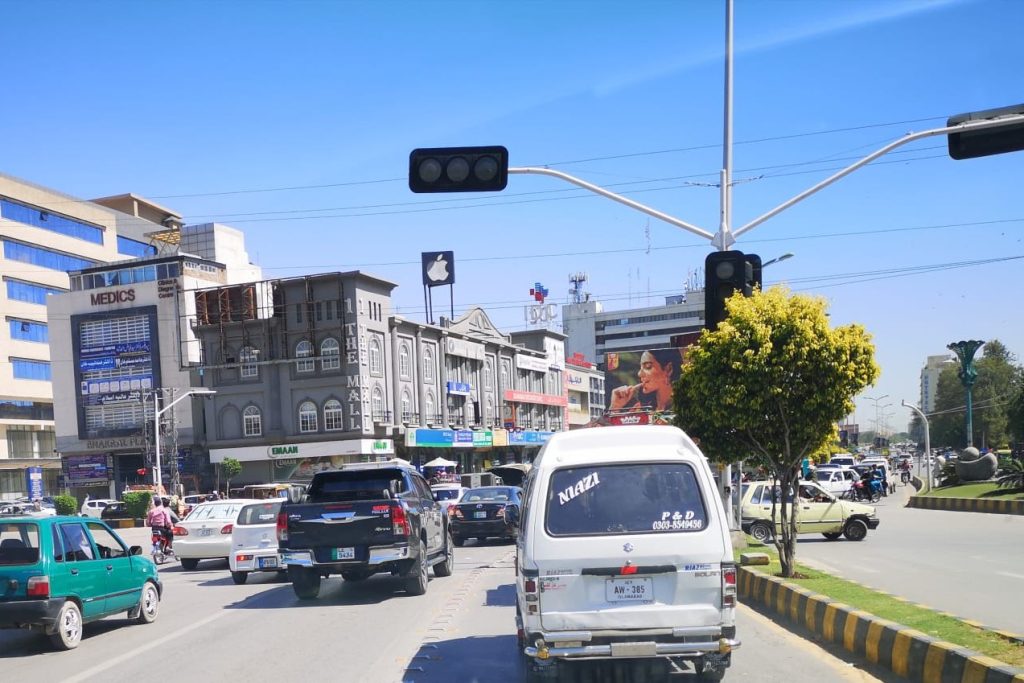
All public venues in Rawalpindi – from cafés and gyms to markets and marriage halls – have been ordered to shut their doors, leaving the streets unusually quiet for a city of more than 2.1 million residents. The blanket closure, announced by Mayor Sardar Naseem, is presented as a precautionary measure in anticipation of possible dialogue between Iran and the United States.
Mayor Naseem told local media that the municipal administration is taking “all necessary steps” to avert any disturbances that could arise from the heightened diplomatic climate. The decision, however, has immediate economic consequences for shop owners, restaurateurs, wedding planners and countless ancillary workers who now face a sudden loss of customers and income, with no announced timeline for reopening.
Rawalpindi, often described as Islamabad’s “twin city,” differs markedly from the capital’s planned, bureaucratic atmosphere. Founded in 1493 by a Gakhar chief, Rawalpindi is denser, noisier and more commercially oriented. Its large population and proximity to the seat of government make it a strategic focal point during periods of regional tension.
Pakistan’s Interior Minister Rana Sanaullah confirmed that the federal government is closely monitoring the situation and maintaining communication with all relevant parties. He emphasized that the aim is to prevent Pakistani territory from being used as a launchpad for hostile activities, a concern that has grown as Iran and the United States remain locked in a volatile standoff.
The scope of the shutdown extends beyond eateries and fitness centres. All markets have been sealed, and marriage halls – venues that host frequent, sizable weddings and support a network of caterers, decorators, musicians and transport providers – remain closed. Each halted event eliminates a day’s wages for dozens of workers, amplifying the financial strain across the city’s informal and formal economies.
Rawalpindi ranks as Pakistan’s fourth‑largest city. The scale of the closures therefore affects thousands of businesses directly and disrupts broader supply chains, including food deliveries to restaurants and goods shipments to market stalls. Prolonged inactivity threatens to deepen the economic dent already visible in the city’s commercial heartbeat.
Security considerations are cited as the primary justification for the measure. Yet residents are left to bear the cost of the precaution without clear guidance on duration or compensation. The municipal directive has not specified an end date, leaving local entrepreneurs and employees uncertain about when normal operations might resume.
The future of the shutdown hinges on the trajectory of Iran‑US talks. Should diplomatic overtures lead to concrete negotiations, Rawalpindi’s venues could reopen swiftly. Conversely, an escalation in tensions would likely extend the closures, keeping the city’s economic pulse subdued.
In the meantime, the once‑bustling streets remain still, markets stand locked, and marriage halls sit dark. Rawalpindi’s current state serves as a barometer for the larger diplomatic storm, its open or closed doors reflecting the ebb and flow of international negotiations.




