
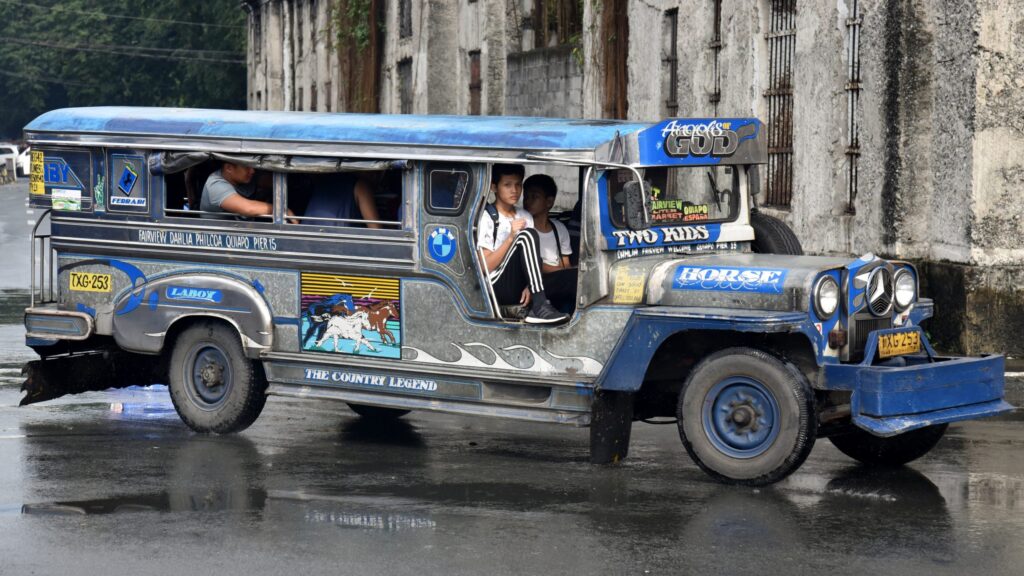
On May 10, 2026, a public‑transport jeepney carrying twenty passengers crashed into a tree in the Philippine province of Oriental Mindoro. The collision resulted in four fatalities and left ten other occupants with injuries. The tragedy underscores the critical need for rigorous safety standards in the nation’s public‑transport system.
Jeepneys, recognizable for their bright decorations and packed seating, remain the most common means of travel for millions of Filipinos. Their origins trace back to the American colonial era, when modified imported cars with attached carriages—known locally as “auto calesas” or “AC”—were repurposed for passenger service.
Over the decades, these early vehicles evolved into the iconic jeepneys that dominate today’s streets. Beyond their utilitarian role, jeepneys hold cultural significance. A Sarao‑manufactured jeepney was even displayed at the 1964 New York World’s Fair, serving as a visual emblem of Filipino ingenuity and vibrancy.
The elaborate artwork that adorns many of these vehicles, often called “jeepney art,” has become a celebrated facet of national identity. While beloved, the reliance on jeepneys also raises concerns about vehicle maintenance, traffic compliance, and broader energy issues.
The Oriental Mindoro accident highlights the consequences of inadequate upkeep and the importance of enforcing traffic regulations. Regular inspections and proper maintenance can help prevent such fatal incidents and protect the lives of daily commuters. Safety measures extend beyond immediate crash prevention.
The Philippines’ heavy dependence on fossil‑fuel‑powered jeepneys contributes to rising energy costs and environmental strain. Transitioning to alternative power sources—such as electric or hybrid drivetrains—could lower fuel expenses, diminish pollution, and lessen the nation’s reliance on imported oil.
Investments in renewable energy would also create jobs and support economic growth. Looking ahead, policymakers are urged to balance economic development with environmental stewardship. Enhancing road infrastructure, promoting non‑motorized transport options like cycling and walking, and tightening safety oversight are all steps that could improve both public safety and ecological outcomes.
The May 10 crash serves as a stark reminder that the well‑being of Filipino commuters hinges on proactive measures. By prioritizing vehicle inspections, enforcing traffic laws, and exploring cleaner energy solutions, the country can work toward a transportation system that is safer, more efficient, and environmentally responsible.
As the nation reflects on the loss of four lives and the injuries sustained by ten others, the incident stands as a call to action for government agencies, private operators, and the public alike. A coordinated effort to modernize the jeepney fleet, strengthen regulatory frameworks, and invest in sustainable energy can help ensure that future journeys across the Philippines are both secure and greener.




