
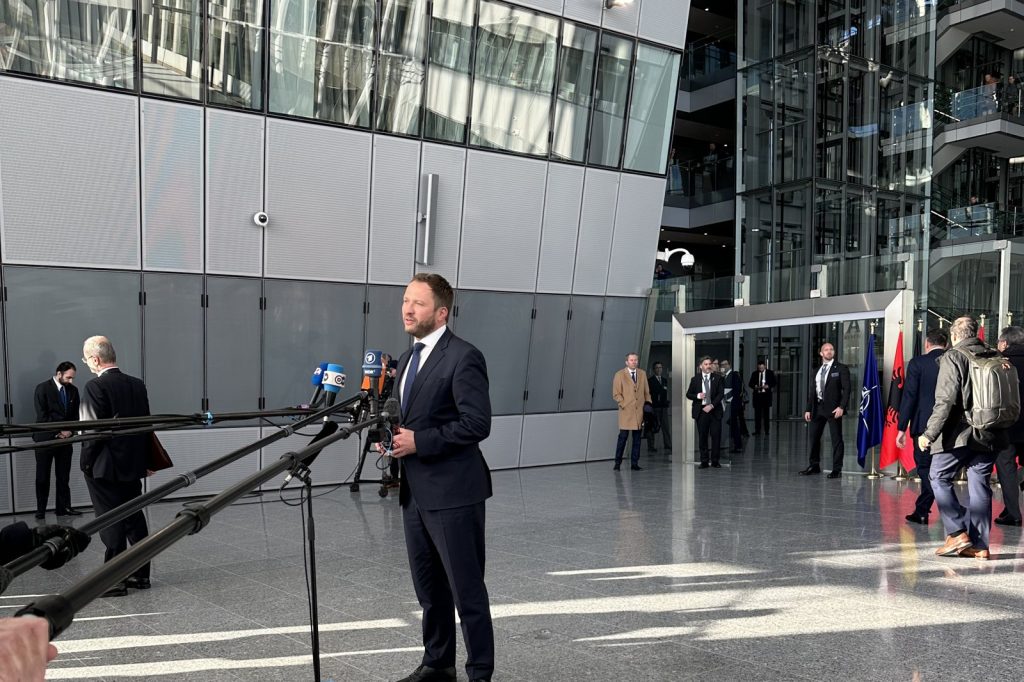
BRUSSELS, July 6 — NATO and Ukraine are approaching the 2024 Washington summit with the alliance’s longstanding position on Ukrainian membership unchanged, according to the record of bilateral engagements. Officials confirmed that no formal membership timeline has been offered to Kyiv, despite years of cooperation and billions of dollars in military aid since Russia’s full-scale invasion on February 24, 2022. The relationship between NATO and Ukraine dates to 1991, when Ukraine joined the North Atlantic Cooperation Council.
Three years later, in 1994, Kyiv entered the Partnership for Peace program. The NATO-Ukraine Commission was established in 1997 to deepen dialogue and cooperation.
During the 2008 Bucharest summit, NATO declared that Ukraine would eventually become a member. However, no Membership Action Plan — the formal roadmap to accession — was granted at that time or in the years that followed. Following Russia’s annexation of Crimea in 2014 and the outbreak of war in Donbas, NATO increased its support for Ukraine’s defense reforms.
After Russia’s full-scale invasion in February 2022, NATO members have provided billions of dollars in military aid. But the political path to membership remains undefined.
Ukraine has repeatedly pressed for a concrete timeline, and NATO has repeatedly declined to offer one. The 2024 Washington summit marks NATO’s 75th anniversary, with 31 member states. The strategic context is clear.
NATO’s open-door policy remains in principle, but the alliance has been cautious about extending formal security guarantees to a country actively at war with a nuclear-armed neighbor. Member states remain divided on how quickly to move forward. Some Eastern European members have pushed for a clearer signal to Kyiv.
Other allies, including the United States and Germany, have urged caution, according to diplomatic sources. The record shows that Ukraine’s relationship with NATO has deepened significantly since 2014.
But the gap between enhanced cooperation and full membership remains wide. What to watch next: the Washington summit’s final communiqué. If it repeats the 2008 Bucharest language — that Ukraine will become a member — without adding a timeline, the strategic impasse will continue.
If it introduces new language on a path forward, that would mark a shift in alliance policy.




