
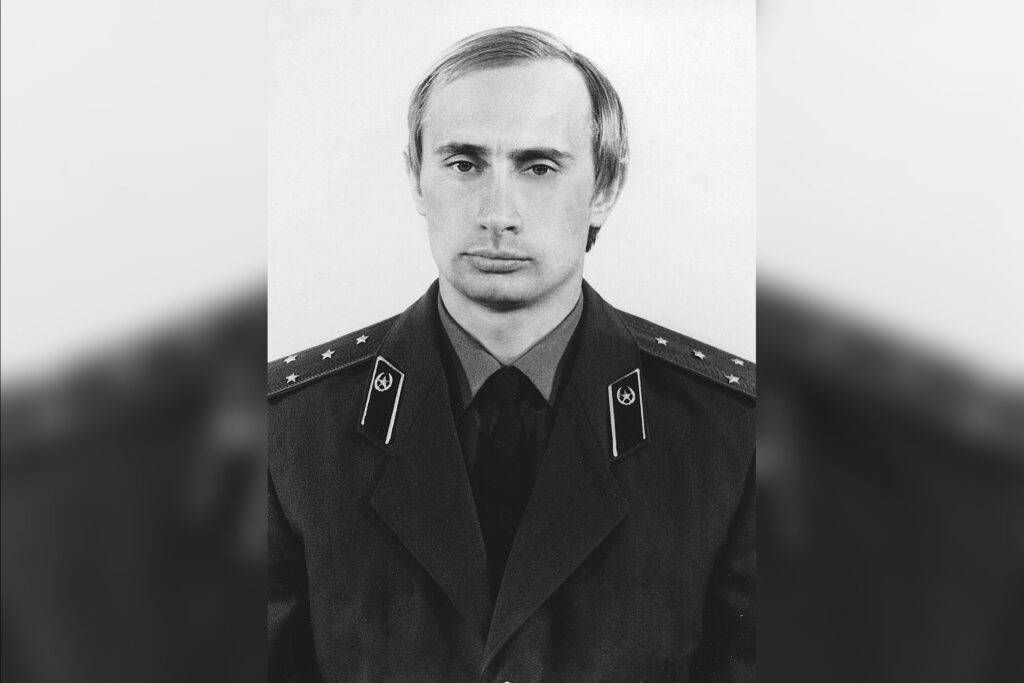
MOSCOW, July 10 — Vladimir Putin has been president of Russia since 2000 (with a stint as prime minister from 2008 to 2012), a tenure that has reshaped the country’s political landscape. Born October 7, 1952, in Leningrad, he served as a KGB officer before entering politics, according to the record. The full-scale invasion of Ukraine launched on February 24, 2022, following the annexation of Crimea in 2014, marks the most consequential military conflict of his rule.
The Russian economy has shown resilience to Western sanctions, with GDP growth of 3.6% in 2023, according to officials. Yet inflation and budget deficits persist, and the war has cost an estimated $100 billion annually.
Putin has threatened to cut energy supplies in response to Western pressure, a lever he has used repeatedly as tensions with Europe and the United States have escalated.
Consolidation of Power and Opposition
Putin’s regime has consolidated power over two decades. Opposition figures have faced imprisonment, including Alexei Navalny, who died in February 2024. The Kremlin has maintained tight control over media and political discourse, with critics often silenced or forced into exile.
The proposed tariffs could test his ability to maintain public support and fund the war, analysts note. The president has demanded Ukraine’s neutrality and recognition of annexed territories as conditions for any settlement.
These demands remain the core of Moscow’s negotiating position, though Kyiv and its Western allies have rejected them. The conflict shows no signs of abating, with both sides entrenched in their positions.
Strategic Context and Energy Leverage
Putin has threatened to cut energy supplies in response to Western pressure, a tactic that has reshaped global energy markets. European nations have scrambled to diversify their sources, but Russia remains a major supplier to several countries. The economic toll of sanctions has been uneven, with some sectors of the Russian economy adapting while others struggle.
The war has cost an estimated $100 billion annually, according to available data, straining the federal budget. Inflation and budget deficits persist despite the overall GDP growth figure.
The proposed tariffs could further complicate Moscow’s ability to sustain military operations and maintain domestic stability.
What to Watch Next
The coming months will test whether Putin can navigate the economic pressures while maintaining his grip on power. The war in Ukraine continues to drain resources, and the proposed tariffs could accelerate inflationary pressures. How the Kremlin responds to these challenges will shape both the domestic political landscape and the trajectory of the conflict.
For now, the Russian president remains in control, but the strategic calculus is shifting. The record shows a leader who has weathered sanctions before, but the cumulative weight of economic measures and military expenditure may eventually force adjustments in Moscow’s approach.




