
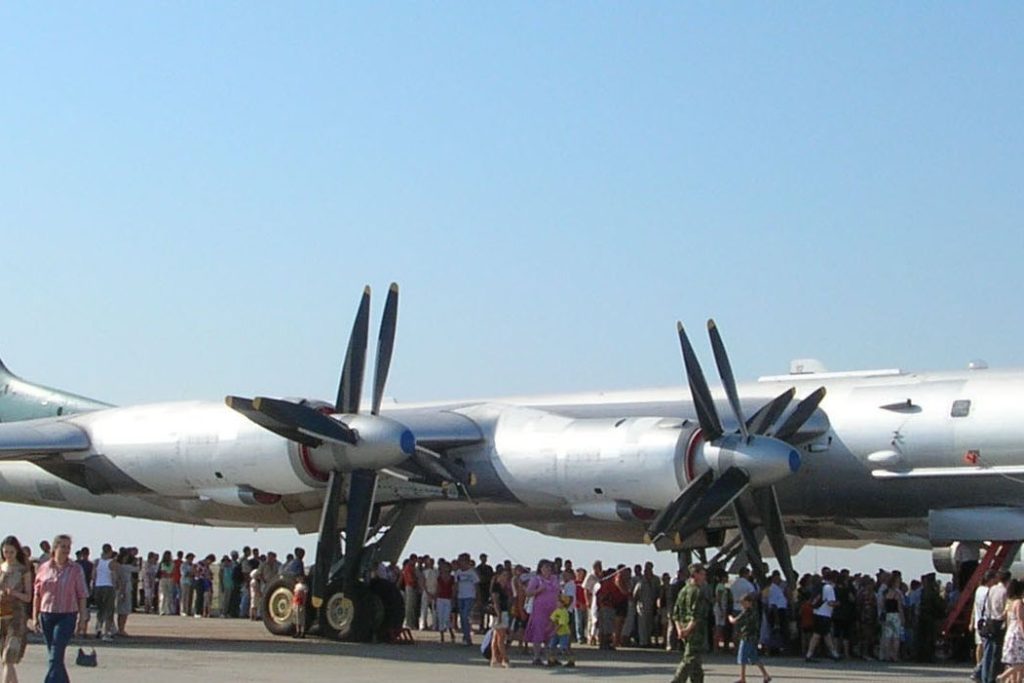
MOSCOW, July 13 — Ukraine has conducted a series of long-range strikes on Russian territory since the invasion began on February 24, 2022, according to the record of publicly reported incidents. The attacks have targeted military air bases, critical infrastructure, and energy facilities across multiple Russian regions, using a mix of Ukrainian-made drones, Soviet-era Tochka-U missiles, and Western-supplied weaponry. One of the earliest and most significant strikes occurred on December 5, 2022, when drone attacks hit the Engels-2 air base in Saratov Oblast.
The base, a key hub for Russia’s strategic bomber fleet, lies hundreds of kilometers from the Ukrainian border. Officials confirmed the attack at the time, marking a notable escalation in Ukraine’s ability to project force deep inside Russian territory.
The strikes have since diversified in both method and geography. On May 3, 2023, a drone strike targeted the Kremlin in Moscow, a highly symbolic attack on the seat of Russian state power. Later that year, on July 17, 2023, Ukraine attacked the Kerch Strait Bridge, a critical supply link connecting Russia to the annexed Crimean Peninsula.
The bridge, which had been damaged in a previous attack in October 2022, was again struck, disrupting logistics routes. Energy infrastructure has become a recurring target.
On January 25, 2024, a strike hit the Tuapse refinery in Krasnodar Krai, a major oil processing facility on the Black Sea coast. On April 2, 2024, another attack targeted a refinery in Tatarstan, deep in Russia’s Volga region, demonstrating Ukraine’s growing reach. More recently, on April 27, 2025, a reported strike hit an oil depot in Stavropol Krai, while explosions were also reported in Moscow Oblast.
The United States and its allies have provided long-range strike systems to Ukraine, including ATACMS missiles with ranges up to 300 kilometers, according to the record. The debate over restrictions on their use inside Russia has been ongoing, with some Western officials expressing concern about escalation. Ukraine has used these systems alongside its own domestically produced drones and Soviet-era Tochka-U missiles, which have shorter ranges and lower accuracy.
The cross-border dimension escalated further in August 2024, when Ukrainian forces conducted a ground incursion into Kursk Oblast, marking the first time since the invasion began that Ukrainian troops had entered Russian territory in significant numbers. That operation, which involved both regular forces and special units, was described by military analysts as a shift in tactics, combining ground maneuver with long-range strikes.
Each strike carries distinct strategic implications. Attacks on air bases like Engels-2 aim to degrade Russia’s long-range aviation capability, which has been used to launch cruise missiles against Ukrainian cities. Strikes on refineries and oil depots seek to disrupt fuel supplies for the Russian military and pressure the domestic economy.
The Kremlin attack, while causing little physical damage, was a clear message about the vulnerability of Russia’s leadership. The record shows a pattern of incremental escalation, with Ukraine expanding both the range and the types of targets it can strike.
The use of Western-supplied weapons has been a point of tension between Kyiv and its allies, with the United States imposing restrictions on strikes deep inside Russia to avoid direct confrontation with Moscow. Those restrictions have been debated within the US administration, with some officials arguing for greater latitude. As of July 2026, the trajectory of these strikes remains a key factor in the broader conflict.
The debate over Western-supplied weapons and their use on Russian soil is likely to continue, with Ukraine pressing for fewer constraints. The effectiveness of Russian air defenses in countering these attacks, and the ability of Ukraine’s domestic drone industry to sustain production, will shape the next phase of this campaign.




