
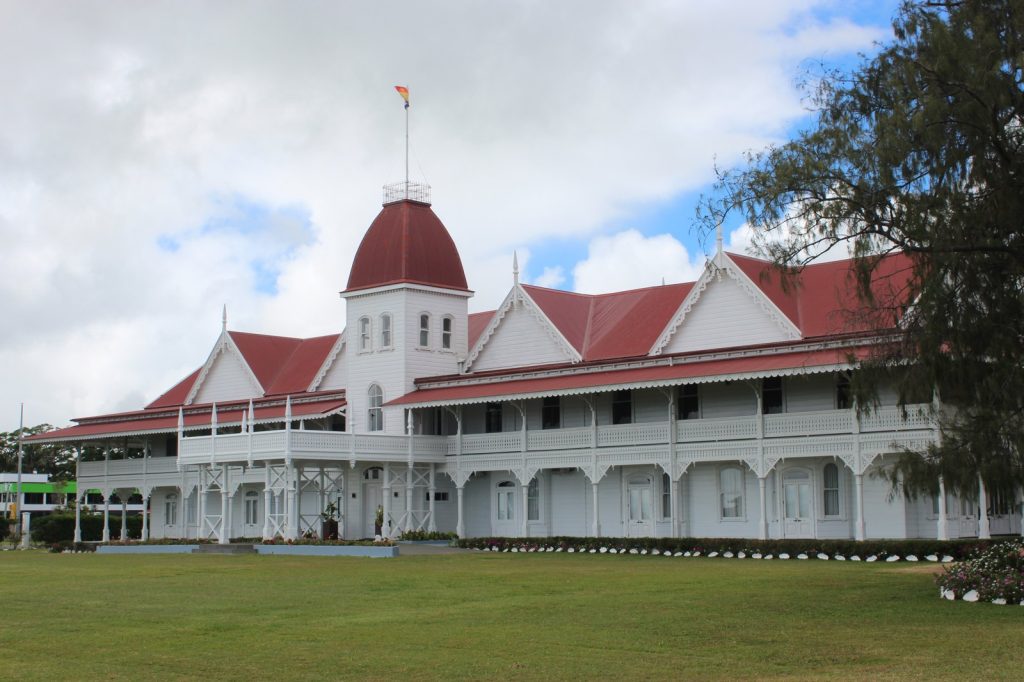
Pacific Islands Forum Meets in Nuku’alofa
On 12 November 2023 officials gathered in Nuku’alofa, Tonga, for the Pacific Islands Forum annual meeting. According to state and international reports, Taiwan’s representative announced plans to establish a permanent office in the Pacific region. Beijing issued a formal protest on 13 November 2023, calling the move a violation of the One-China Principle.
The protest referenced the 1972 Shanghai Communique framework governing cross-strait relations. China’s Ministry of Foreign Affairs warned that Taiwan’s activities must not undermine the sovereignty and territorial integrity of Pacific Island nations.
The Pacific Islands Forum, founded in 1971, comprises 18 member states and has engaged with Taiwan on climate and health initiatives since 2016. The 2023 endorsement of the Pacific Islands Leaders Declaration on Climate Security shaped the context for the dispute. Regional tensions remain heightened following China’s 2022 military exercises near Taiwan.
Taiwan retains no formal diplomatic ties with the Forum, though it maintains informal engagement. The situation reflects broader strategic competition in the Pacific, with implications for regional stability.
What comes next will depend on how Pacific Island leaders navigate the diplomatic pressure. The Pacific Islands Forum has long been a platform for regional cooperation and dialogue, bringing together nations with diverse economic, cultural, and geographical backgrounds. The forum’s membership includes some of the world’s smallest and most vulnerable countries, which often face unique challenges in maintaining their sovereignty and independence.
As a result, the region has become an important focal point for international diplomacy, with various countries and organizations seeking to engage with and support Pacific Island nations. This has created a complex web of relationships and interests, with different actors vying for influence and cooperation. The One-China Principle, which Beijing has consistently emphasized as a fundamental aspect of its foreign policy, holds that there is only one Chinese government, and that Taiwan is an integral part of China.
This principle has been a cornerstone of China’s relations with other countries, and has been reflected in various international agreements and communiques, including the 1972 Shanghai Communique. The communique, which was signed by the United States and China, acknowledged the One-China Principle and established the framework for diplomatic relations between the two countries.
Since then, the principle has been widely recognized by countries around the world, although its interpretation and application have sometimes been the subject of controversy and debate. The strategic competition in the Pacific, which has been intensifying in recent years, reflects a broader shift in the global balance of power.
As countries such as China and the United States seek to expand their influence and protect their interests in the region, Pacific Island nations are facing increasing pressure to navigate complex diplomatic relationships and make difficult choices about their alignments and partnerships. The region’s geography, with its many small and dispersed island states, makes it particularly vulnerable to external influence and coercion, and raises concerns about the potential for great power competition to undermine regional stability and security.
The implications of the current dispute over Taiwan’s representative attendance at the Pacific Islands Forum are likely to be far-reaching, with potential consequences for regional cooperation, diplomatic relations, and economic development. As Pacific Island leaders seek to balance their relationships with different countries and organizations, they will need to carefully consider the potential risks and benefits of their choices, and work to maintain a delicate balance between competing interests and pressures.
The outcome of this process will depend on a variety of factors, including the diplomatic skills and strategic vision of Pacific Island leaders, the policies and actions of external actors, and the evolving dynamics of the regional and global security environment.
Sources
More International Conflict coverage: What Kind of War Is China Preparing For?




