
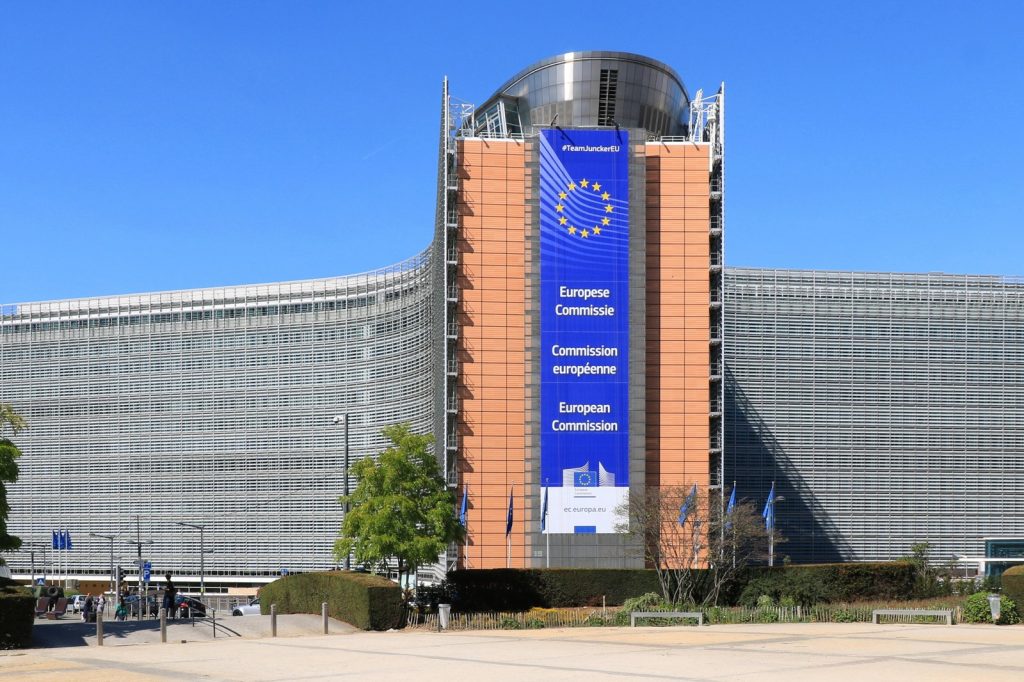
Brussels, August 31 — The European Union is considering a significant shift in its decision-making process, with a draft treaty amendment proposing the expansion of abstention voting mechanisms to prevent any single member state from blocking collective decisions. This move is driven by growing frustration with unanimous consent requirements that have stalled critical policy areas, including foreign policy coordination and climate initiatives.
The strategy, detailed in a confidential letter circulated among EU institutions, seeks to leverage creative treaty interpretation to circumvent procedural gridlock while maintaining formal compliance with existing legal frameworks.
Background and Opposition
The proposal emerges against a backdrop of increasing EU institutional strain, where treaty ratification timelines have demonstrated the practical limitations of unanimous decision-making in an expanding union. Previous attempts to reform voting rules date back to the 1990s Maastricht Treaty negotiations and subsequent failed constitutional proposals that were ultimately abandoned after referendums in France and the Netherlands rejected the EU Constitution. Several member states are concerned about undermining democratic safeguards and have expressed opposition to the proposal, which could trigger constitutional challenges if implemented without broader consensus.
The Lisbon Treaty, which reformed EU governance structures, remains the current foundational legal instrument governing EU operations, with its complex balance of powers and decision-making thresholds.
Implications and Next Steps
The trend underneath this proposal is a desire for more flexible and efficient decision-making processes within the EU, which could have significant implications for policy areas such as climate initiatives and foreign policy coordination. What’s changing is the EU’s approach to addressing the limitations of unanimous decision-making, and this shift is worth watching as it unfolds. Watch this space as the EU navigates the complexities of treaty interpretation and the potential consequences of this proposal, which could lead to a more streamlined decision-making process or further institutional strain.
The outcome will depend on the ability of EU institutions to balance the need for efficient decision-making with the need to maintain democratic safeguards and ensure the consent of all member states.
Conclusion and Future Developments
The European Union’s draft treaty amendment is a significant development that could have far-reaching implications for the EU’s decision-making process and its ability to address critical policy areas. As the EU continues to evolve and grow, it is likely that we will see further attempts to reform its governance structures and decision-making processes. Looking forward, it will be important to monitor the progress of this proposal and its potential impact on the EU’s ability to address key challenges such as climate change and foreign policy coordination.
The shift is towards more flexible and efficient decision-making, and it remains to be seen how this will play out in practice.




