
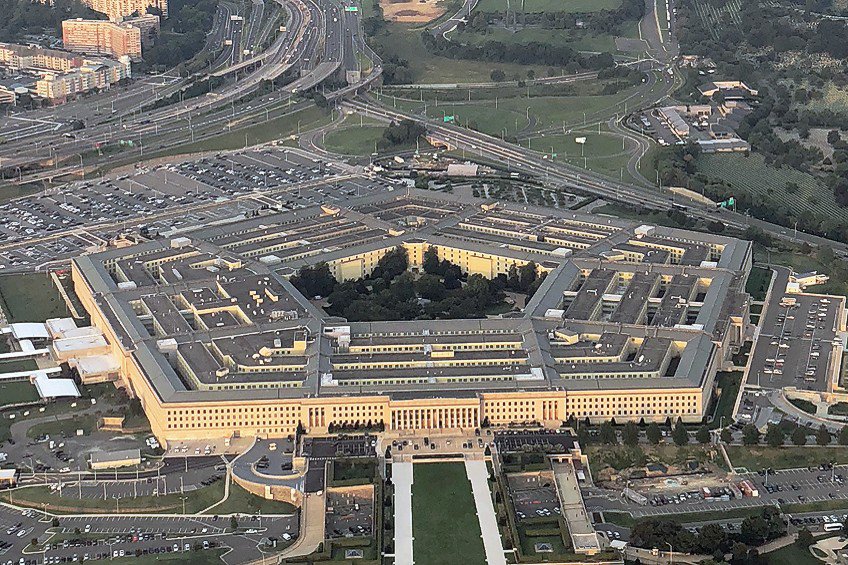
STUTTGART, July 6 — The United States European Command is executing a posture review that will see American forces withdraw from Estonia, a move that signals a strategic recalibration of Washington’s military footprint on the continent. The decision comes as the Pentagon shifts its center of gravity toward the Indo-Pacific, a directive codified in the 2022 National Defense Strategy.
For EUCOM, headquartered in Stuttgart, Germany, the calculus involves thinning out forward-deployed presence in the Baltic states to free up capacity for what the Defense Department now identifies as the pacing challenge. Strategically, the withdrawal from Estonia marks the most tangible example yet of how the broader stakes of great-power competition are reshaping the European theater.
EUCOM’s current posture is the product of decades of flux. After the Cold War ended in 1991, the U.S. slashed its European troop presence from over 300,000 to about 100,000 by the 2000s. That drawdown reversed sharply following Russia’s 2014 annexation of Crimea, when Washington launched the European Deterrence Initiative — a program that funded rotational deployments and infrastructure improvements across NATO’s eastern flank.
As of 2023, the U.S. had approximately 100,000 troops stationed across Europe, including in Germany, Italy, the United Kingdom, and Poland. The Estonian contingent represented a smaller slice of that force, but carried outsized political weight as a tripwire against Russian aggression.
What this signals is a deliberate choice: the Pentagon is no longer willing to maintain the same level of forward-deployed presence in every corner of Europe while also building up forces in the Pacific. The 2022 National Defense Strategy makes clear that the Indo-Pacific is the department’s priority theater, and force posture adjustments in Europe are an inevitable consequence. For Estonia and other Baltic states, the calculus is unsettling.
They have long relied on a visible U.S. troop presence as the ultimate guarantee of Article 5 solidarity with NATO. The withdrawal does not eliminate that guarantee, but it does alter the perception of readiness. EUCOM officials have not publicly detailed a timeline for the Estonian pullout, nor have they specified whether the troops will be redeployed to other European hubs or return to the United States.
The command’s broader posture review remains ongoing. The coming months will reveal whether this is a one-off adjustment or the opening move in a larger European drawdown.
For now, the chessboard is shifting — and the Baltic flank is the first piece to move.




