
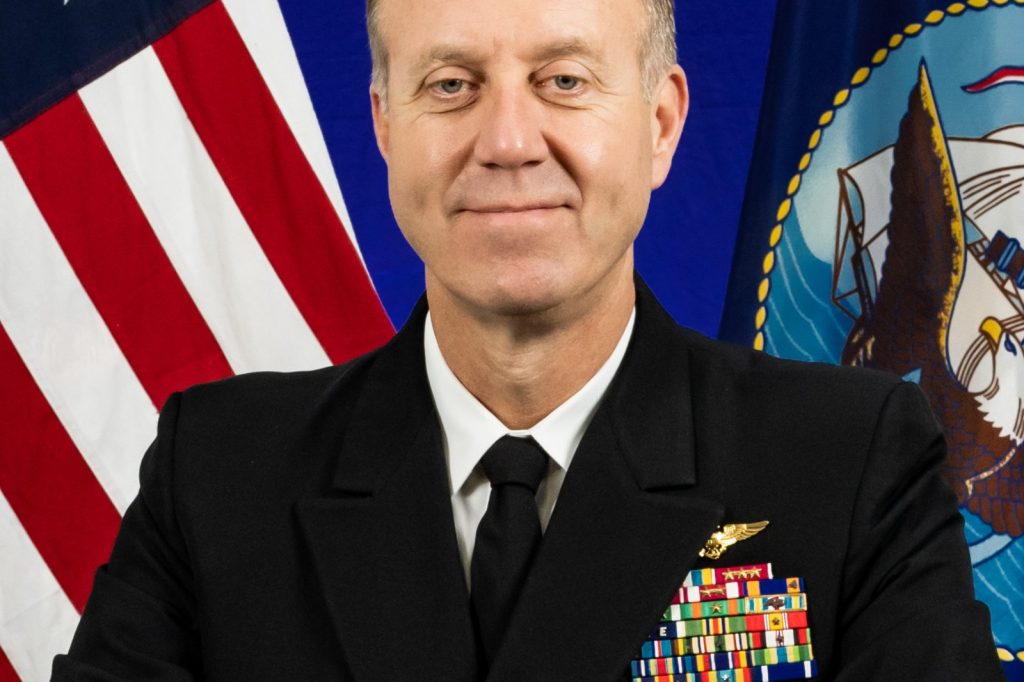
MANAMA, July 13 — The United States Fifth Fleet is preparing to enforce a new 20 percent transit toll in the Persian Gulf, Red Sea, and Arabian Sea, a mission that will involve boarding and inspecting vessels and, if necessary, using force to prevent transit. The Fifth Fleet, headquartered at Naval Support Activity Bahrain, operates approximately 30 ships and 15,000 personnel. Its current assets include the USS Dwight D.
Eisenhower carrier strike group and several Arleigh Burke-class destroyers. The fleet’s commander, Vice Admiral George Wikoff, will oversee the enforcement operations.
The fleet’s presence in Bahrain dates to 1949, but the current headquarters was established in 1995 when the fleet was established as part of U.S. Central Command (CENTCOM). The fleet typically deploys an aircraft carrier strike group, amphibious assault ships, destroyers, and patrol craft. The toll enforcement targets the same waters where the fleet has been actively engaged against Houthi attacks since 2023.
The enforcement mechanism
The fleet will enforce the 20 percent toll through direct action at sea. That means boarding parties will inspect vessels, and the fleet holds authority to use force to block ships that refuse to comply. The fleet’s commander, Vice Admiral George Wikoff, has direct experience in the theater.
He has overseen operations against Houthi attacks in the Red Sea since 2023. The fleet’s destroyers and patrol craft are likely the primary platforms for the boarding and inspection work.
The strategic context
The Fifth Fleet’s area of responsibility covers three bodies of water: the Persian Gulf, the Red Sea, and the Arabian Sea. A 20 percent toll on transit through those lanes would represent a major economic intervention. The fleet’s history in Bahrain goes back decades.
The U.S. Navy first established a presence there in 1949, long before the Fifth Fleet was formally created. The current headquarters was set up in 1995, the same year the fleet was established under CENTCOM.
What to watch next
The key question is how the toll enforcement will interact with the ongoing Houthi campaign in the Red Sea. The fleet has been operating under combat conditions there since 2023, and adding a toll enforcement mission could stretch resources. The fleet’s 30 ships and 15,000 personnel represent a substantial force, but the dual mission of countering Houthi attacks and enforcing toll collection will test the fleet’s capacity.
The Fifth Fleet’s carrier strike group, centered on the USS Dwight D. Eisenhower, provides significant air power and strike capability.
The Arleigh Burke-class destroyers bring advanced air defense and surface warfare systems. How Vice Admiral Wikoff deploys those assets between the toll mission and the Houthi counter-operation will determine the fleet’s effectiveness in both roles. For now, the fleet is moving to implement the toll policy.
The boarding and inspection operations represent the most direct form of enforcement, with the potential use of force as a backstop.




