
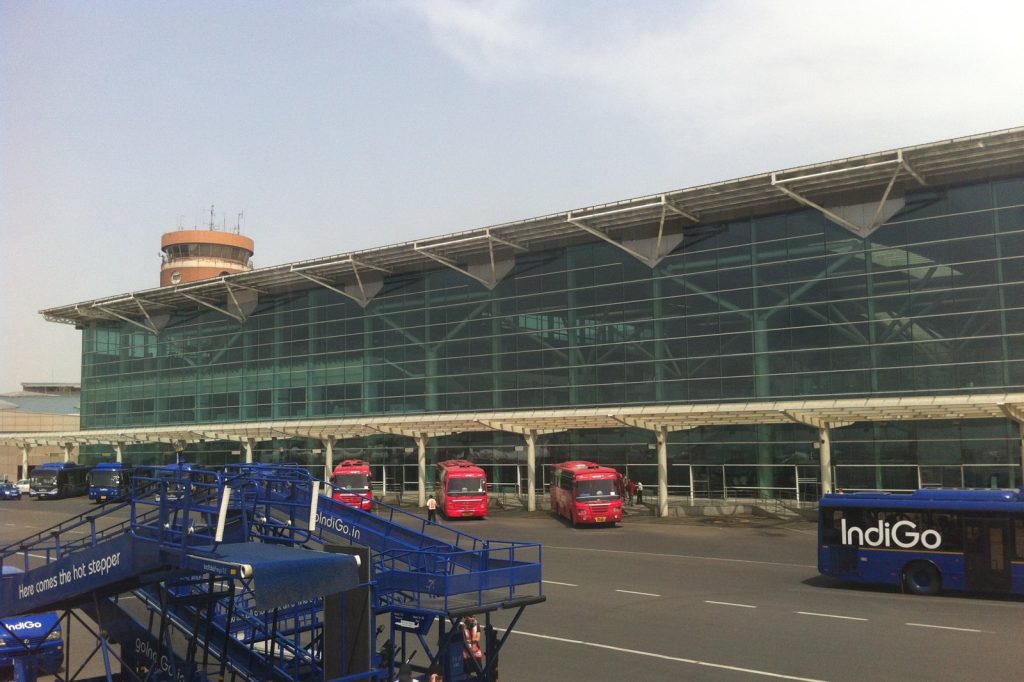
A devastating incident occurred at the Indira Gandhi International Airport in New Delhi, India, on June 28, 2024, as a roof collapsed amid heavy rains, resulting in the loss of one life and injuring eight others. The collapse led to the cancellation of some domestic flights, causing disruptions to travel plans for many passengers.
The airport, which is the primary international airport serving New Delhi and the National Capital Region, is no stranger to heavy rainfall, but the severity of the incident has raised concerns about the infrastructure’s ability to withstand extreme weather conditions. The Indira Gandhi International Airport, spread over an area of 5,106 acres, is a critical transportation hub, situated 15 km southwest of the New Delhi Railway Station and 16 km from the city centre.
As the busiest airport in India in terms of passenger traffic since 2009, it handles a significant volume of flights and passengers daily. The airport’s infrastructure is designed to accommodate large numbers of travelers, but the recent incident highlights the need for regular maintenance and inspection to ensure the safety of passengers and staff. The airport’s management will likely conduct a thorough investigation into the cause of the collapse to prevent such incidents in the future.
Heavy rains are not uncommon in New Delhi during the monsoon season, which typically runs from June to September. The city’s infrastructure is often put to the test during this period, with flooding and power outages reported in various parts of the city.
The airport’s location, 15 km southwest of the city centre, makes it prone to heavy rainfall, and the authorities must take necessary precautions to ensure the safety of passengers and staff. The use of renewable energy sources, such as solar power, could help reduce the airport’s reliance on traditional energy sources and provide a more sustainable and cost-effective solution for its energy needs. The incident has also raised concerns about the impact of extreme weather events on critical infrastructure.
As the world’s population continues to urbanize, the strain on existing infrastructure will only increase, making it essential to invest in sustainable and resilient solutions. The use of green technologies, such as green roofs and rainwater harvesting systems, could help mitigate the effects of heavy rainfall and reduce the risk of flooding. By adopting such measures, airports and other critical infrastructure can reduce their environmental footprint while ensuring the safety and comfort of passengers and staff.
As the investigation into the collapse continues, the airport’s management will likely focus on restoring normal operations and ensuring the safety of passengers and staff. The incident serves as a reminder of the importance of prioritizing sustainability and resilience in infrastructure development.
By investing in renewable energy sources and green technologies, airports and other critical infrastructure can reduce their environmental impact while providing a safe and comfortable experience for passengers. As the world’s population continues to grow and urbanize, the need for sustainable and resilient infrastructure will only become more pressing, making it essential to adopt forward-thinking solutions that prioritize the health of our planet. Looking ahead, the incident at the Indira Gandhi International Airport highlights the need for a comprehensive approach to infrastructure development, one that prioritizes sustainability, resilience, and safety.
As the airport’s management works to restore normal operations, they will likely explore ways to incorporate green technologies and renewable energy sources into their infrastructure, reducing their environmental footprint while ensuring the safety and comfort of passengers and staff. By adopting such an approach, the airport can serve as a model for sustainable infrastructure development, demonstrating the importance of prioritizing the health of our planet for its own sake, and providing a safe and comfortable experience for passengers while minimizing its impact on the environment.




