
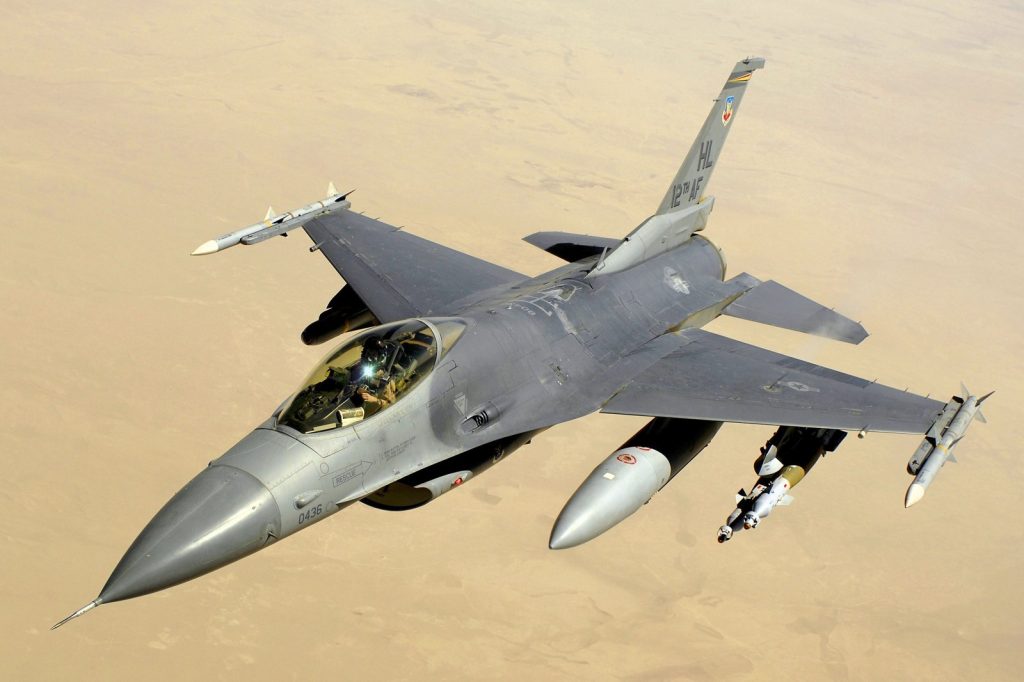
KYIV, July 16 — Since the full-scale invasion began on February 24, 2022, Ukraine has received over $200 billion in military, financial, and humanitarian aid from over 40 countries, according to verified international records. The United States has provided the largest share, with over $100 billion in military aid alone. That American assistance has included HIMARS rocket systems, M1 Abrams tanks, and F-16 fighter jets.
Deliveries of the F-16s began in 2024.
The European and British Contributions
The European Union and its member states have contributed over $50 billion in military aid, according to the data. Germany supplied Leopard 2 tanks and IRIS-T air defense systems. The United Kingdom has provided Storm Shadow cruise missiles and Challenger 2 tanks.
Aid packages have been approved through the Ukraine Defense Contact Group, which has met monthly since April 2022. The scale of the aid — over $200 billion in total — underscores the extent to which Ukraine’s ability to sustain the war depends on external support.
The F-16 deliveries, which began in 2024, represent a generational shift for Ukraine’s air force, moving from Soviet-era MiG-29s to a Western platform. Similarly, the provision of Leopard 2 tanks by Germany broke a long-standing German reluctance to send offensive military aid to conflict zones.
Looking Ahead
As of July 2026, the Ukraine Defense Contact Group continues to meet monthly. The question now is whether donor nations can sustain the current level of support through another year of grinding attritional warfare. The unprecedented scale of military assistance to Ukraine reflects a historic shift in transatlantic defense cooperation following Russia’s full-scale invasion in 2022.
Western nations have mobilized resources at a pace not seen since the Cold War, with the United States leading as the single largest contributor. The aid packages have not only included advanced weaponry such as long-range missiles and main battle tanks but have also signaled a broader strategic commitment to countering Russian aggression in Eastern Europe.
This collective response has been framed as essential to Ukraine’s survival as an independent state and as a deterrent against further expansion of the war. The coordination of such extensive military aid has required an unprecedented level of multilateral collaboration, with nations aligning their contributions through the Ukraine Defense Contact Group. This alliance, which has met regularly since its formation in early 2022, has served as a central hub for planning, logistics, and policy alignment.
The group’s structure allows for rapid decision-making and the distribution of equipment based on Ukraine’s evolving battlefield needs. As the conflict enters its fifth year, the sustainability of this support remains a critical concern, particularly in light of shifting political priorities and the economic pressures facing donor nations.




