
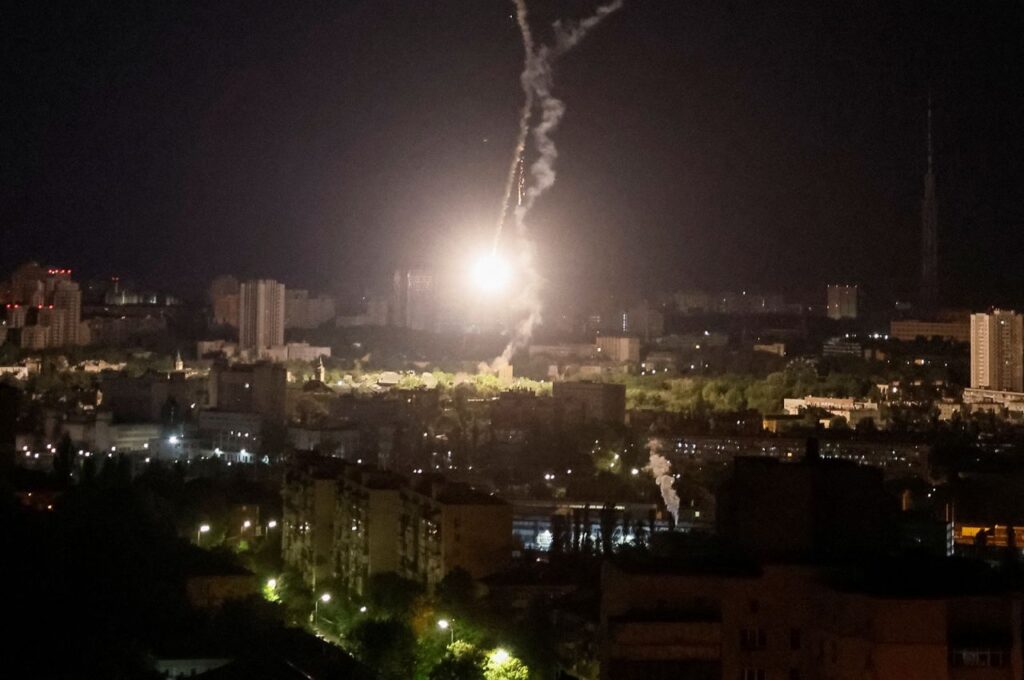
KYIV, August 20 — The Russian missile strikes on Ukraine on August 20, 2026, marked another grim chapter in the ongoing conflict, with at least eight confirmed deaths and widespread damage reported in Kyiv, Chernihiv, and Sumy. Ukrainian defense officials confirmed the attacks, which targeted both military infrastructure and civilian zones, while satellite imagery corroborated the scale of the strikes. The Ukrainian president, Volodymyr Zelenskyy, has framed these assaults as part of Russia’s persistent aggression since the invasion began on February 24, 2022.
Russia’s Ministry of Defense issued a stark denial, insisting the strikes were directed at “legitimate military objectives.” This claim, however, was met with skepticism from Ukrainian authorities and international observers. Reports from regional health authorities and outlets like Ukrainska Pravda detailed the human toll, though specific casualty numbers remained withheld in official statements.
The U.S. State Department, through Secretary Marco Rubio, condemned the attacks as “unacceptable violations of international law,” aligning with NATO’s broader condemnation.
The Escalation of Aerial Warfare
A single strike is no longer an anomaly. Ukraine has endured over 300 missile and drone attacks since the invasion, a figure that underscores the relentless nature of the conflict. The August 20 assault fits a pattern of escalation, with Russia increasingly targeting urban centers despite repeated international calls for restraint.
The focus on Kyiv and its surrounding regions highlights a strategic intent to destabilize civilian life while pressuring Kyiv’s leadership. International bodies, including the UN Human Rights Monitoring Mission in Ukraine, have launched investigations into potential war crimes linked to these strikes.
Such inquiries are critical, as they aim to document violations and hold accountable those responsible. Yet, Russia’s refusal to acknowledge civilian harm complicates efforts to establish clear evidence. What’s changing in this escalation?
The shift isn’t just in the number of attacks but in their precision. Earlier phases of the war saw more indiscriminate bombing, but recent strikes reflect a calculated attempt to maximize disruption.
Satellite data and on-the-ground reports suggest Russia is using advanced targeting systems, raising questions about how far Moscow is willing to go to undermine Ukraine’s resilience.
Global Reactions and Diplomatic Fallout
The U.S. and its allies have responded with unified condemnation. NATO representatives have reiterated their support for Ukraine’s sovereignty, while the UN has emphasized the need for accountability. For Ukraine, the strikes are both a tactical challenge and a moral test.
Zelenskyy’s address to the nation framed the attacks as a direct threat to civilian survival, a message that resonates deeply amid prolonged suffering. Russia’s denial of civilian targeting underscores the information war accompanying the conflict.
By framing strikes as “legitimate,” Moscow seeks to delegitimize international outrage. This narrative clash is a key battleground, with Ukraine and its allies countering through verified reports and eyewitness accounts. The role of social media in amplifying these claims cannot be overlooked, as it forces global audiences to confront the human cost.
The U.S. administration’s stance remains clear: support for Ukraine is non-negotiable. Secretary Rubio has called for increased military aid, though specifics of new deliveries have not been disclosed.
This ambiguity reflects the delicate balance the administration is navigating, ensuring aid aligns with strategic goals without provoking further escalation.
What’s Next?
The immediate concern is the resilience of Ukraine’s defense systems. Kyiv and its allies are likely to bolster air defenses, particularly as Russia’s tactics appear to evolve. Meanwhile, the international community will watch for further diplomatic moves.
The UN’s investigation could set a precedent for how such attacks are prosecuted, while NATO’s response may shape future aid packages. For now, the focus remains on mitigating the immediate impact.
Civilian shelters in Kyiv and other regions are being expanded, and medical facilities are overwhelmed. The long-term implications, however, extend beyond physical damage. Each strike chips away at Ukraine’s stability, testing the endurance of a nation already battered by years of conflict.
Watch this space. The next phase of this war could hinge on whether Russia escalates further or if international pressure forces a recalibration.
Either way, the trend is clear: the conflict is not winding down, and the stakes for all involved continue to rise.




