
Update — see earlier coverage: previous report.
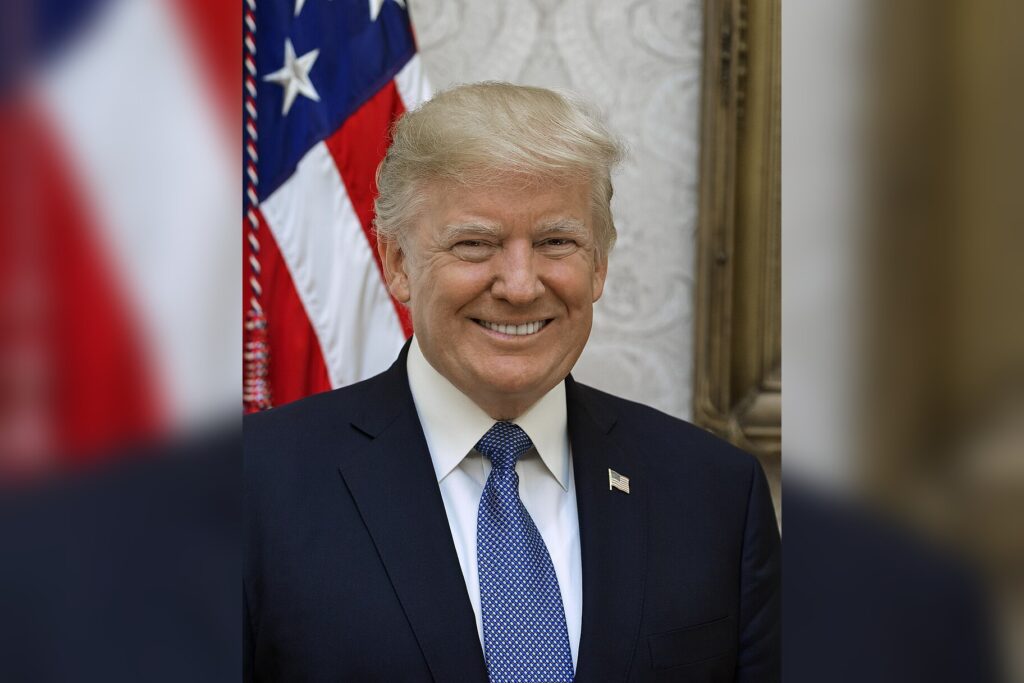
TEHRAN, August 20 — The United States has maintained economic sanctions on Iran since 2018, targeting its oil and banking sectors as part of efforts to pressure its nuclear program and regional activities. These measures, imposed under President Donald Trump’s administration, include secondary sanctions on entities dealing with Iran’s Oil Company (IOC) and restrictions on financial transactions involving Iranian banks.
The U.S. Treasury reports that over $10 billion in Iranian assets have been frozen since 2018, while Iran’s Central Bank noted a 15% decline in foreign currency reserves in 2021, reflecting the impact of these policies. A key focus of enforcement has been Dubai, a major trade hub.
U.S. officials have conducted inspections at ports and financial institutions to ensure compliance with sanctions. The city has become a critical point for monitoring trade deals involving Iranian and non-Iranian entities. However, the effectiveness of this approach is not assured.
Iran has responded by expanding trade with China and Russia, which has provided alternative markets for its oil exports. Meanwhile, some European nations have shown reluctance to fully align with U.S. demands, complicating the strategy’s long-term viability.
Economic Consequences in Numbers
The sanctions have already affected Iran’s oil exports. According to the International Energy Agency, revenue from oil sales dropped by an estimated 40% in 2020. This decline is tied to reduced global demand and the financial barriers imposed by the U.S. The frozen assets and shrinking reserves highlight the pressure on Iran’s economy.
Yet, the country’s shift toward partnerships with non-Western powers suggests attempts to offset these losses. Analysts note that such moves may not fully compensate for the loss of access to Western financial systems.
Dubai’s role in this dynamic is central. As a hub for Middle Eastern trade, it hosts numerous Iranian and international businesses. U.S. compliance checks there aim to curb circumvention of sanctions.
However, the city’s mixed economy—hosting both sanctioned and non-sanctioned entities—creates a complex environment for enforcement. Reports indicate that some non-Iranian companies continue to engage in trade with Iran, though U.S. officials claim increased scrutiny has reduced such activity.
The balance between compliance and economic necessity remains a point of contention.
Global Reactions and Uncertainty
The strategy’s success hinges on sustained pressure from global partners, particularly in Europe. However, European countries have expressed hesitation to adopt the full scope of U.S. sanctions. This divergence reflects broader geopolitical tensions, as some nations seek to re-engage with Iran for economic or diplomatic reasons.
Iran, meanwhile, has not abandoned its regional activities, which the U.S. aims to curtail. The interplay between these factors creates uncertainty about whether the sanctions will achieve their stated goals.
Iran’s countermeasures include diplomatic overtures from some European countries. While these moves are not yet formalized, they signal a potential shift in international relations. The U.S. administration remains firm in its stance, though officials acknowledge that changing global alliances could undermine the sanctions.
The long-term viability of the strategy depends on whether enough nations maintain pressure or if diplomatic openings allow Iran to ease restrictions. As of now, the situation remains fluid.
The U.S. continues to enforce its measures, but Iran’s adaptability and the lack of full European cooperation introduce variables that could alter the trajectory. For now, the economic strain on Iran is evident, but whether it will lead to the desired policy changes remains an open question. The focus will likely stay on monitoring compliance in key trade hubs and assessing the responses of allied and adversarial nations.
Those tracking this development should watch for updates on compliance in Dubai, shifts in European policy, and Iran’s economic indicators. The interplay of these elements will shape the next phase of this conflict. As always, consulting reliable sources and staying informed through verified reports is crucial for understanding the evolving landscape.




