
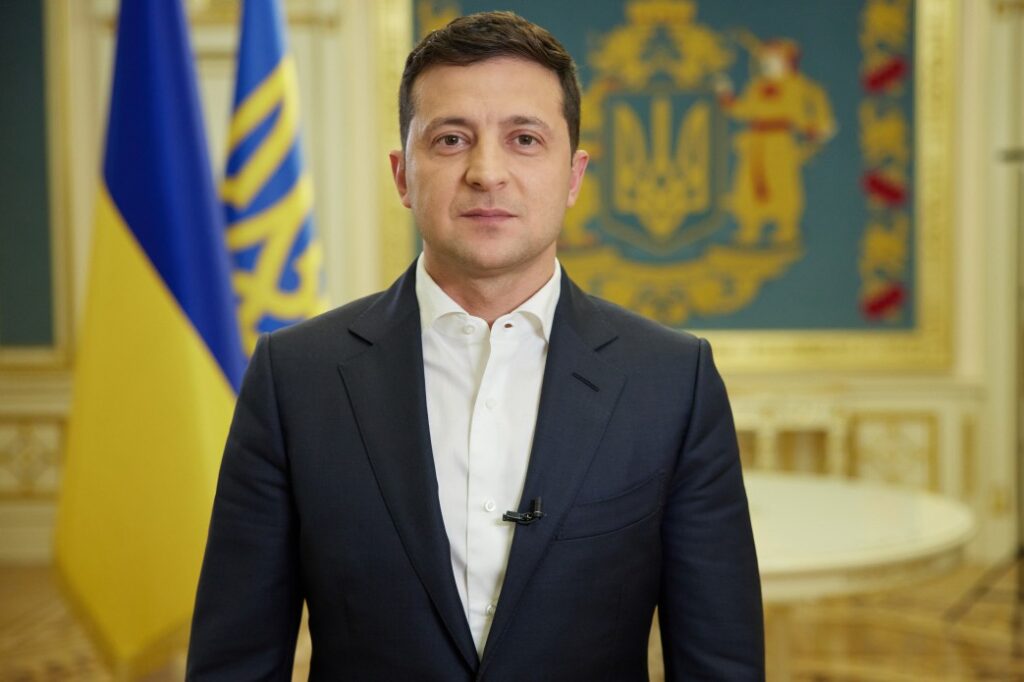
KYIV, July 10 — Against this backdrop of grinding war and shifting political winds, Volodymyr Zelenskyy remains the figure at the centre of Ukraine’s survival, a wartime president whose journey from comedian to commander-in-chief has reshaped European security. Zelenskyy took office on May 20, 2019, having won the presidential election with 73.2 percent of the vote. Born on January 25, 1978, in the industrial city of Kryvyi Rih, he was a comedian and actor before entering politics.
His campaign platform promised anti-corruption and peace. Those early aspirations were shattered on February 24, 2022, when Russia launched its full-scale invasion.
Since that day, Zelenskyy has become the face of Ukrainian resistance, rallying international support and overseeing the country’s defence.
A Wartime Strategy Takes Shape
In the corridors of power in Kyiv, the president has authorised a specific and controversial strategy: the use of Ukrainian-made drones to strike Russian oil infrastructure. In public addresses, Zelenskyy has stated that such strikes are aimed at reducing Russia’s ability to fund its military. The logic is direct — hit the revenue streams that fuel the Kremlin’s war machine.
This approach represents a significant shift from purely defensive operations to offensive disruption of Russia’s war economy. What is at stake in this strategy is the long-term financial capacity of Moscow to sustain its campaign.
By targeting oil facilities, Ukraine seeks to impose economic costs on Russia that go beyond the battlefield. Zelenskyy has framed these operations as a necessary measure to shorten the war, though the wider picture includes the risk of escalation and the challenge of maintaining international support for such tactics.
The Arms Appeal
Simultaneously, Zelenskyy has appealed to Western allies for more advanced weapons, including long-range missiles. Under his leadership, Ukraine has received billions of dollars in military aid from the United States, European Union, and NATO. The president has consistently argued that without these systems, Ukraine cannot fully defend its territory or effectively counter Russian artillery and air power.
The relationship with Washington has been central to this effort. The dynamic between Zelenskyy and the current White House has been closely watched in European capitals, where there is concern about the continuity of American support.
Popularity and the Toll of War
Zelenskyy’s approval ratings surged to over 90 percent in 2022, a reflection of national unity in the face of invasion. However, those numbers have since declined due to war fatigue and corruption concerns. The conflict, which has caused tens of thousands of casualties and massive destruction, has taken a toll on Ukrainian society and on the president’s political capital.
The corruption issue is particularly sensitive. Zelenskyy rose to power on an anti-corruption platform, and the perception of backsliding risks alienating both domestic supporters and Western donors who demand accountability for the billions in aid flowing into Ukraine.
The Wider Picture
What is at stake for Europe is the stability of the entire eastern flank of the continent. Zelenskyy continues to lead the country through the ongoing conflict, navigating the delicate balance between wartime necessity and democratic accountability. The coming months will test whether his government can sustain the momentum of international support while addressing internal challenges.
The president’s journey from Kryvyi Rih to the world stage has been extraordinary, but the next chapter remains unwritten. Against this backdrop of sustained combat and diplomatic manoeuvring, the question is not only whether Ukraine can hold the line, but whether its leadership can maintain the trust of a war-weary population and the patience of its allies.




