
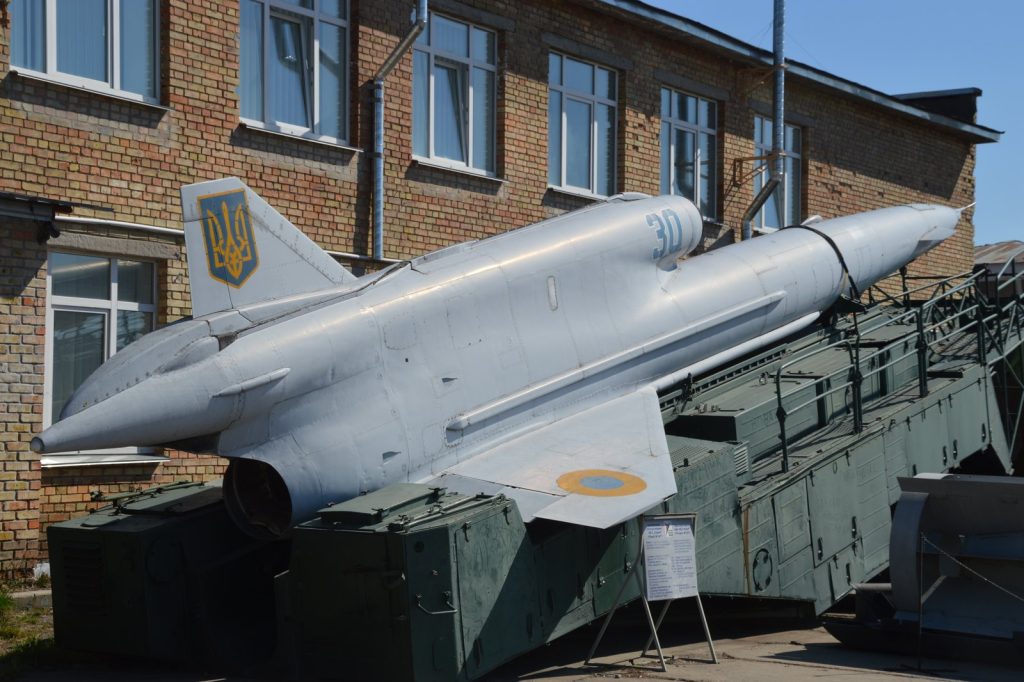
KYIV, July 7 — Against this backdrop of grinding attrition along the front lines, Ukraine has steadily escalated a campaign that strikes at the very heart of Russia’s war economy: its oil refineries. Since January 2024, Ukrainian forces have targeted at least 20 such facilities in a coordinated drone offensive designed to choke the fuel supply for Russian military units and to starve the Kremlin of export revenues that underwrite its war machine. The campaign, waged with Ukrainian-made long-range drones, marks a significant evolution in the conflict’s strategic geography.
The drones employed, including the UJ-22 Airborne and a modified version of the Soviet-era Tu-141 Strizh, possess ranges exceeding 1,000 kilometers, allowing Ukraine to reach deep into Russian territory. On May 9, 2024, one such strike hit the Omsk refinery, a facility located approximately 2,200 kilometers from the Ukrainian border.
That attack, the farthest confirmed Ukrainian strike of the war, signaled a dramatic expansion of the operational reach of Kyiv’s domestic drone industry.
A Calculated Strategy of Attrition
Ukrainian military intelligence has assessed that these strikes have reduced Russia’s total refining capacity by an estimated 10 to 15 percent. The figure, while difficult to independently verify, reflects a pattern of repeated, precise hits against critical nodes in Russia’s fuel infrastructure. The Ryazan refinery was struck on January 24, 2024.
The Tuapse refinery on the Black Sea coast was hit on February 3. The Volgograd refinery followed on February 9.
The Nizhny Novgorod refinery was targeted on March 12. Each strike forced temporary shutdowns and ignited fires that burned for days, disrupting the flow of diesel, gasoline, and jet fuel to both civilian markets and military depots. What is at stake for Moscow is not merely the inconvenience of disrupted supply chains.
Refining capacity is a strategic asset. Russia’s military depends on a steady, uninterrupted flow of fuel to sustain armored columns, logistics convoys, and aviation operations across the sprawling front line in Ukraine.
Every percentage point of capacity knocked offline translates into operational friction for the Russian General Staff. Simultaneously, reduced exports of refined petroleum products—a key source of hard currency for the Russian budget—directly undercut the Kremlin’s ability to finance its defense industry and procure foreign components for weapons systems.
Moscow’s Response and the Technological Race
Russia has claimed to intercept a significant number of the incoming drones, deploying electronic warfare systems and air defense batteries around critical industrial sites. However, the confirmed hits—documented by satellite imagery, local Russian media reports, and Ukrainian official statements—demonstrate that the defenses are porous. The sheer volume of drones, combined with their low-altitude flight profiles and the vast distances they must cover, presents a persistent challenge for Russian air defense networks already stretched thin by the war in Ukraine.
The wider picture is one of a technological arms race unfolding in plain sight. Ukraine’s domestic drone industry, operating under wartime conditions, has proven capable of iterating rapidly.
The modified Tu-141 Strizh, a relic of the Cold War, has been refitted with modern guidance and navigation systems to serve as a one-way attack drone. The UJ-22 Airborne, a purpose-built loitering munition, represents a newer generation of Ukrainian engineering. Both platforms are designed to penetrate deep into Russian airspace, striking targets that were once considered beyond reach.
In the corridors of European defense ministries, this campaign is being watched with keen interest. The ability to degrade an adversary’s war economy without committing ground troops or risking advanced manned aircraft is a model that resonates with NATO planners.
For Ukraine, it offers a way to impose costs on Russia that cannot be easily countered by mass or attrition alone. The strikes on the Omsk refinery, in particular, sent a clear message: no facility in Russia is safe from Ukrainian reach. As of July 2026, the campaign shows no signs of abating.
The question now is how Russia will adapt. Moscow may invest in more layered air defenses around its refinery belt, or it may attempt to disperse refining capacity to less vulnerable locations. Ukraine, for its part, is likely to continue refining both its drone technology and its targeting intelligence.
The next phase of this campaign will test whether a sustained, long-range drone offensive can truly reshape the strategic calculus of a nuclear-armed power.




