
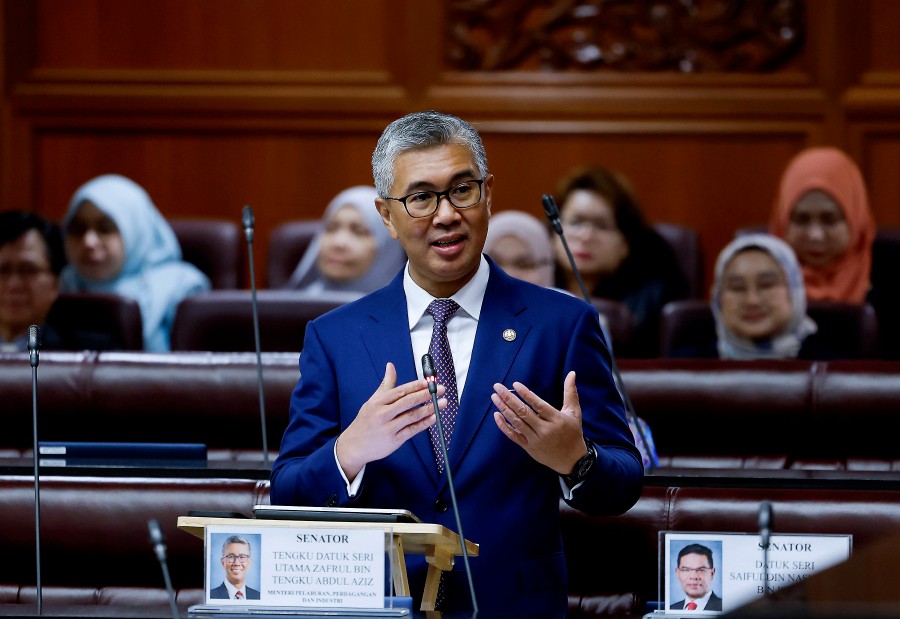
On September 7, 2021, Malaysia’s finance minister, Tengku Datuk Seri Zafrul Abdul Aziz, announced a proposal to lift the statutory debt limit from 60% to 65% of gross domestic product. The announcement came during a press conference held in Petaling Jaya. At the time, the country’s debt‑to‑GDP ratio was estimated at roughly 58%, a level already below the existing ceiling but projected to exceed 60% by the end of December. The minister said the proposal would be submitted to the cabinet the following week and later introduced in Parliament.
He emphasized that the government is presently operating beneath the 60% limit, but should the ratio cross that threshold, the excess would be modest unless the limit is raised. Tengku Zafrul remarked, “we are at about 58% even below our statutory debt limit of 60%.
If somehow we manage to cross it, it will be minimal unless we decide to go to the Parliament to increase the limit.” He framed the adjustment as part of broader efforts to support citizens and businesses. The World Bank has noted that a higher debt ceiling can give the government greater flexibility for fiscal policy, while also stressing the need for sustainable debt management. When questioned about possible foreign borrowing amid constrained fiscal space, Tengku Zafrul Zafrul that the government will not take on foreign‑currency loans at present.
He expressed confidence in domestic liquidity, stating, “they have enough liquidity available in the market which can be tapped into. The ministry is confident with its liquidities and is looking to fund all the stimulus packages by tapping into the local ringgit market.” The International Monetary Fund has advised countries to prioritize domestic financing sources to lower reliance on foreign capital and reduce risks linked to foreign‑currency borrowing.
Tengku Zafrul acknowledged that fiscal space is currently limited, but said this has not prevented the government from expanding fiscal measures to bolster the economy. He added that spending has been recalibrated to allow greater borrowing, leading to an anticipated deficit in the range of 6.5% to 7%. According to the minister, only about 3% of the government’s total borrowing is denominated in foreign currencies, with the remaining 97% sourced in ringgit.




