
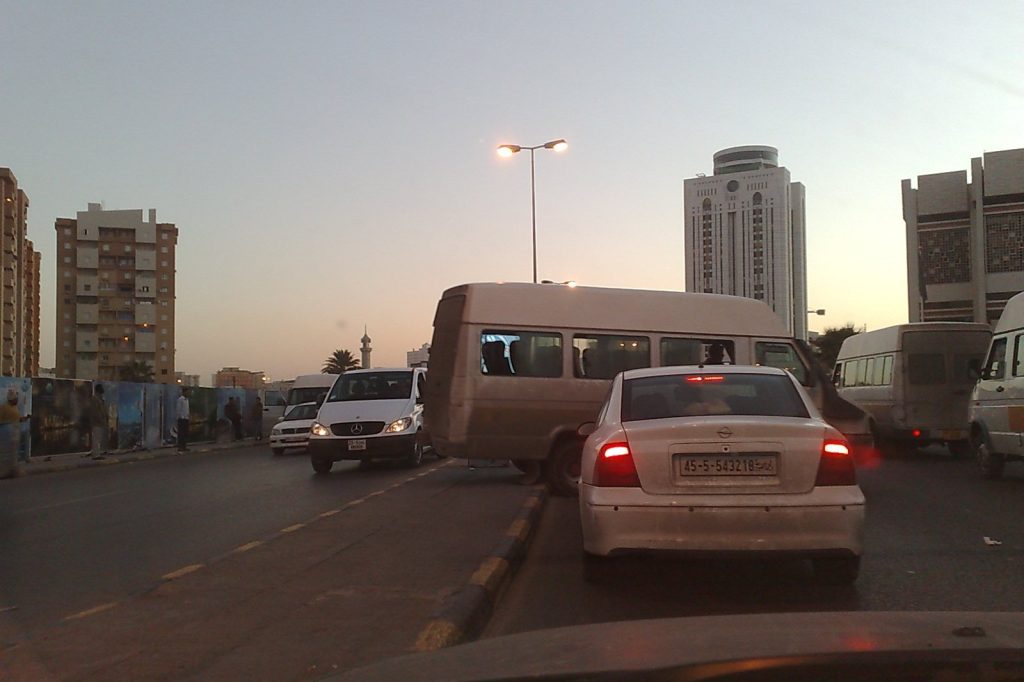
Aftermath of the Al-Loud Bus Crash Shifts Attention to Road Safety
Twenty‑three people lost their lives and five survived when a bus left the road on the highway near Al‑Loud on January 12. The stark toll has moved the conversation from the immediate horror of the crash to the underlying reasons it happened and whether anything will change as a result.
Libya’s road network is uneven. Some sections have been freshly paved, while others remain pitted and broken after years of conflict and neglect. The stretch where the bus went off the road belongs to the latter group.
Residents who travel that route regularly call it a gamble, noting that a single deep pothole at speed, a worn tyre, or a driver trying to make up lost time can turn an ordinary trip into a catastrophe. The crash lays bare an uncomfortable truth: road safety is not a luxury but a core duty of the state.
When maintenance lapses, traffic laws go unenforced, and vehicle inspections become mere formalities, deaths follow. In this incident twenty‑three occupants died. The five survivors are being treated in local hospitals; their exact conditions have not been released, though it is known they lived through an event that killed most of those on board.
The impact reaches far beyond the victims. Al‑Loud is a modest town; virtually everyone knows someone who was aboard the bus.
Funerals have been spread over several days as families await the release of bodies. Initial shock is giving way to grief, and that grief is hardening into anger directed at the authorities. Officials have responded to previous major crashes with press conferences, promises to repair roads, and new traffic‑enforcement drives.
After the publicity fades, however, the highways remain unchanged and another bus accident occurs. This time the scale of loss is large enough that it cannot be ignored.
The crash took place on a road that ought to have been safe, and the bus carried ordinary citizens — workers, students, families — none of whom expected to die that morning. What would it take to prevent a repeat? The answer is short but costly. Roads need regular upkeep, a expense Libya struggles to afford.
Traffic laws require enforcement by police who are present, paid, and incorruptible. Vehicle inspections must be genuine, not rubber‑stamp approvals, which calls for a functioning regulatory system.
None of these steps is impossible; all hinge on political will. The question hanging over Al‑Loud is whether this tragedy will finally generate that will, or whether it will become just another entry in a long list of preventable deaths. The survivors understand that the answer matters to them.
The families of the dead feel the same weight. The rest of Libya is watching.
If the highway is left unrepaired, if no one is held accountable, and if another driver attempts the same route at the same speed, then the twenty‑three deaths will not be seen as a solitary tragedy but as a repeating pattern.




