
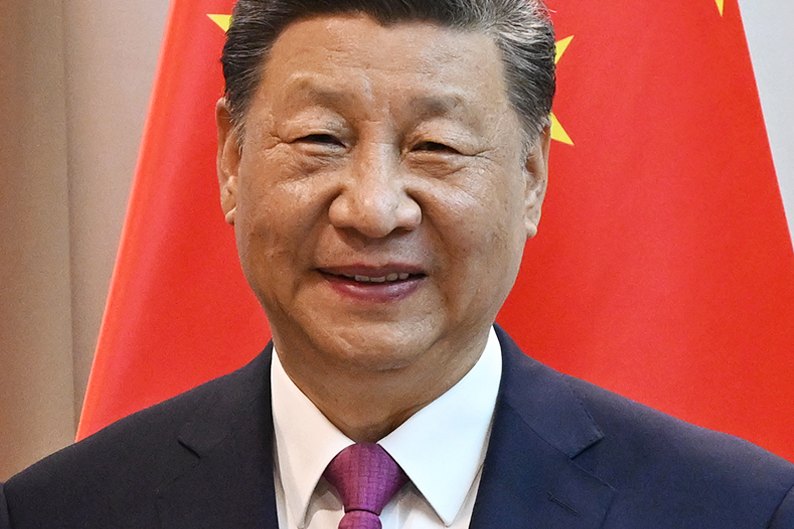
European Commission President Ursula von der Leyen traveled to Paris to stand alongside French President Emmanuel Macron as they delivered a coordinated message to Chinese President Xi Jinping. Xi arrived on May 6, 2024, marking his first visit to the European Union in five years. The core of the EU’s complaint centers on what von der Leyen described as Chinese state-subsidized overcapacity. China’s trade surplus with the EU has grown significantly, driven by exports of electric vehicles, solar panels, and other manufactured goods.
European automakers, particularly in Germany, are losing domestic market share. The EU launched an investigation in September 2023 into whether Chinese EV manufacturers benefit from state subsidies that create an uneven competitive field.
Von der Leyen stated that these subsidies threaten European employment. Macron had already established the tone before Xi’s arrival, calling for a rebalancing of economic ties. He warned that Europe cannot accept its industries being undermined by massive subsidies that distort competition.
France has particular economic exposure in this dynamic, with cognac, wine, and agricultural products vulnerable to potential Chinese retaliation. Macron is seeking expanded Chinese market access for French farm goods and resolution of intellectual property disputes in the cosmetics sector, aiming to prevent a trade war while pursuing fair access.
Xi’s three-day state visit includes meetings with both Macron and von der Leyen. The EU is advocating for fair competition and a unified approach toward China, though this unity is tenuous. European nations have varying levels of trade and investment exposure to China, leading to different willingness to confront Beijing.
The economic numbers highlight the tension. China’s trade surplus with the EU has expanded sharply, with EVs and solar panels entering the European market in large volumes.
European manufacturers report inability to compete against state-backed Chinese companies. The EU investigation into Chinese EV subsidies represents an initial concrete step toward addressing the imbalance, but such investigations require time while jobs are immediately affected. Von der Leyen also raised concerns about sanctions evasion, a newer dimension of the tension.
The EU has imposed sanctions on Russia related to the Ukraine war, and there are worries that China is assisting Moscow in bypassing these measures. Xi’s visit occurs as Brussels seeks clearer answers on Beijing’s position.
The Ukraine conflict is intertwined with the trade dispute. Macron is working to avoid Chinese retaliation against French exports, with cognac and wine considered high-value targets. Tariffs on those goods would impact French farmers and distillers.
The French president is attempting to secure market access while pushing back on subsidies, a delicate balancing act. Xi has not made public statements since landing, with meetings conducted behind closed doors.
The EU leadership has clearly communicated its position, requesting a level playing field rather than concessions. Whether Beijing will adjust its trade practices remains an open question. The visit represents a test of whether words will translate into action, with Paris serving as the venue for a confrontation framed as a state visit.




