
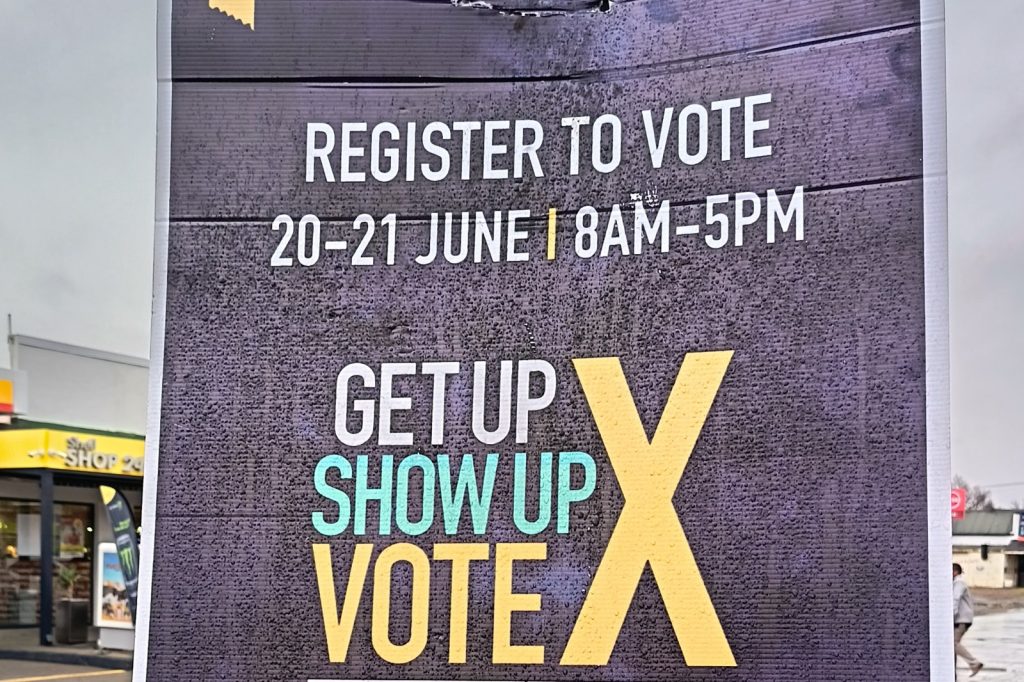
JOHANNESBURG, September 6 — South Africa’s municipal elections, set for 4 November 2026, remain wide open according to new Ipsos polling that exposes sharp regional divides in voter enthusiasm and a campaign landscape where some parties have sprinted ahead while others trail behind. The Ipsos “Pulse of the People” study, conducted in June and July 2026, surveyed 3,600 randomly selected South Africans in their homes and home languages. Results were weighted and projected to the population of eligible voters aged 18 and older.
The salient point: among the 70% of respondents who said they were registered with the Independent Electoral Commission, two-thirds expressed some or strong interest in politics and elections, and about three-quarters indicated they were likely or very likely to vote. Yet the headline figures mask considerable churn beneath the surface.
When presented with an electronic ballot paper, a notable share of registered voters either declined to choose a party or said they would not vote, with proportions differing markedly by province and metropolitan municipality. The findings suggest turnout could prove decisive. Registered voters in the Western Cape (84%) and Limpopo (83%) appear most likely to participate.
Between 25% and 30% of registered voters in KwaZulu-Natal, the Northern Cape, North West, and the Free State currently say they do not intend to vote. For all the noise about national party brands, it would seem the stay-away voter may shape outcomes more than the swing voter in several key regions.
Uneven Campaigning and Metro Battles
The fiercest contestations are expected in the country’s eight major metropolitan municipalities, where the share of potential stay-away voters is particularly relevant to parties and prospective councillors. Campaigning has been uneven. Helen Zille has campaigned for months, drawing considerable attention with her unusual and eye-catching campaign in Johannesburg, while other parties have been slower off the mark.
Some parties have now announced their mayoral candidates for the eight metros. The African National Congress (ANC), after indicating it would announce mayoral candidates ahead of its manifesto launch, has so far published only a list of 42 potential candidates — a characteristic display of the party’s deliberative, some might say hesitant, approach to a contest where momentum appears to matter.
What to Watch
The Ipsos figures are not a prediction of the final outcome, as much campaigning remains. Notably, the gap between expressed enthusiasm and actual behaviour on an electronic ballot paper suggests voter intention remains fluid. Whether the ANC’s eventual mayoral slate can galvanise its base in provinces where a quarter to nearly a third of registered voters currently plan to abstain will bear close watching.
Equally, whether Zille’s early and energetic Johannesburg campaign translates into sustained support — or merely early attention — remains to be tested at the polls on 4 November.




