
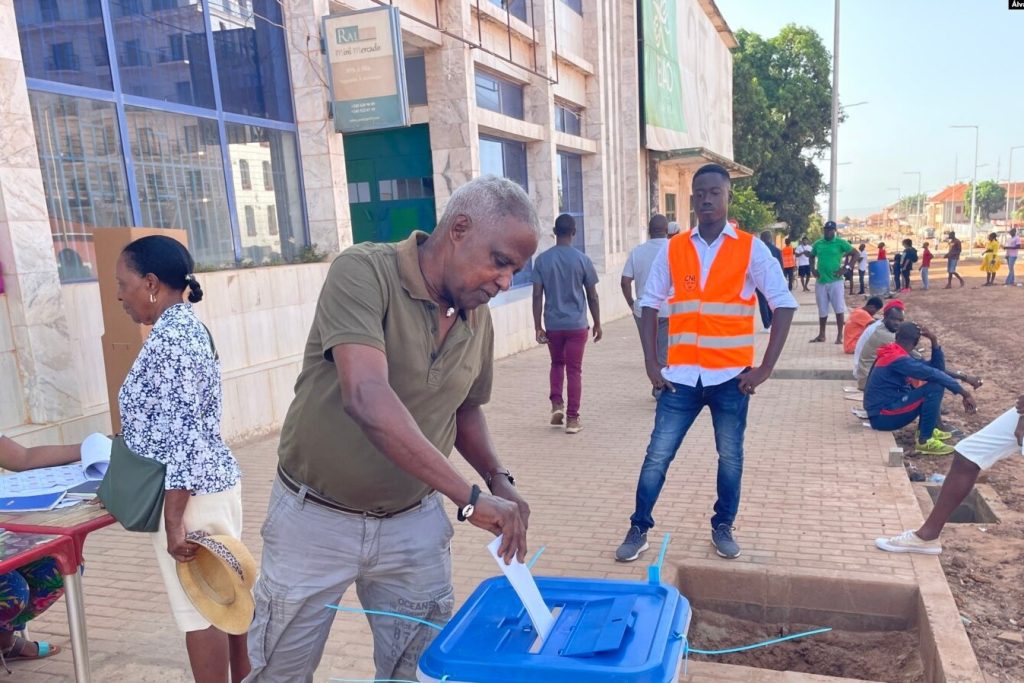
BISSAU, September 2 — Voters in Guinea-Bissau have approved a new constitution in a referendum, according to provisional results from the country’s electoral commission, an outcome that hands sweeping new powers to the presidency ahead of elections scheduled for December. The commission said 70% of voters backed the changes against 30% who opposed them, on a turnout of nearly 60%. The vote was held on Sunday.
The new charter strengthens the presidency at the expense of the prime minister, altering the balance of power in the country’s semi-presidential system. Under the previous arrangement, the legislature appointed a prime minister from the parliamentary majority who then formed a cabinet — a structure the ruling military authorities blame for recurrent political instability.
For all the noise around the result, the opposition was not buying it. The main opposition party, the African Party for the Independence of Guinea and Cape Verde (PAIGC), urged supporters to boycott the vote, warning that the changes concentrate excessive power in the presidency. Party leader Domingos Simões Pereira accused those behind the referendum of seeking to undermine democracy and political freedoms.
Some activists told the BBC that the exercise was a formality, claiming that 90% of registered voters did not take part. Regional analyst Paul Ejime told the BBC’s Newsday programme that the result did not reflect the will of the people, arguing the changes were designed to turn the president into an “emperor”.
“The population is terrified because the military has been going after everyone who opposes them,” he said. Ejime added that the junta lacked legitimacy, having come to power in what he described as a “very strange coup”, and called on the regional bloc Ecowas to intervene and enforce its rules barring member states from changing constitutions within six months of an election. The referendum follows another turbulent chapter in Guinea-Bissau’s politics.
The military seized power in November 2025 after a disputed presidential election in which then-President Umaro Sissoco Embaló and opposition candidate Fernando Dias both claimed victory. Junta leaders said they acted to thwart a plot by unnamed politicians with “the support of a well-known drug baron” to destabilise the country. The takeover added Guinea-Bissau to a growing list of West and Central African states to experience military coups in recent years.
The new constitution retains the five-year presidential term and the two-term limit. It also reduces the number of seats in parliament from 102 to 65 and cuts electoral constituencies from 29 to 12.
New eligibility requirements for presidential candidates include a provision that they must have lived continuously in Guinea-Bissau for the five years before an election. December’s presidential and parliamentary elections will test whether the military authorities honour their pledge to restore civilian rule — and how the presidency’s expanded powers reshape a fragile political system.




