
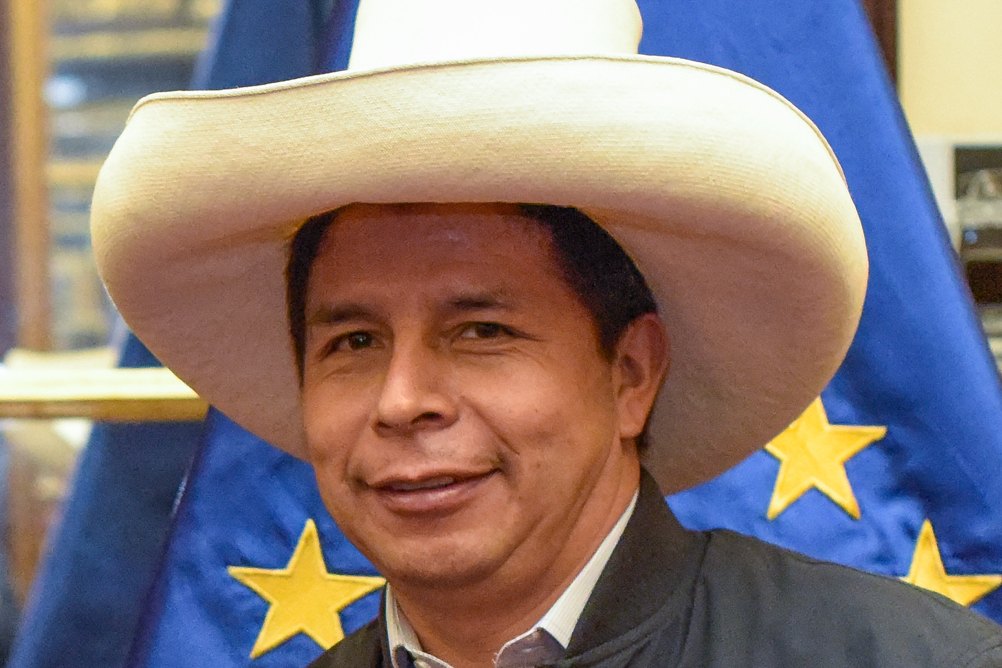
On 7 December 2022, José Pedro Castillo Terrones was stripped of the Peruvian presidency after he tried to dissolve Congress and install an authoritarian regime. The move, described in Spanish‑language sources and local media, triggered his immediate removal and the filing of rebellion charges.
Castillo, who had served as head of state since 28 July 2021, entered politics after a career that began in the classroom. He worked as a primary‑school teacher and later rose to prominence as a union leader, heading the 2017 teachers’ strike that brought him national attention. Following the strike, he founded the Federación Nacional de Trabajadores en la Educación del Perú (FENATEP).
Earlier, in 2002, he unsuccessfully sought the mayoralty of Anguía under the Perú Posible banner. His political trajectory was marked by controversy, including accusations of ties to the Movimiento Democrático Agropecuario (MOVADEF), which Castillo denied.
Nevertheless, his background as an educator and union organizer shaped his populist platform, which carried him to the presidency. In addition to his public roles, Castillo was involved in private enterprise. He co‑founded the construction firm Consorcio Chotano de Inversionistas Emprendedores JOP S.A.C. and acted as its general manager, illustrating a blend of political and business activities.
The December 7 crisis unfolded when Castillo announced the dissolution of the legislative body and the suspension of the constitution, a move widely interpreted as an attempted self‑coup. The congressional leadership, supported by the military and judiciary, rejected the decree, leading to his swift ouster and the initiation of legal proceedings for rebellion.
Castillo’s removal underscores the fragility of Peru’s democratic institutions. For English‑speaking audiences, the episode highlights the complex interplay of labor activism, populist politics, and institutional checks that define the country’s political landscape. The event also serves as a reminder of the importance of constitutional order in a nation where past coups and political instability have left a lasting imprint.
Analysts note that Castillo’s attempt to concentrate power was a decisive factor in his downfall, reinforcing the resilience of Peru’s democratic framework despite recurring challenges. The charges against him will likely proceed through the courts, while the interim authorities work to restore normalcy.
Looking ahead, observers will watch how the new government addresses the underlying issues that fueled Castillo’s rise—rural poverty, educational inequality, and labor discontent—and whether reforms can stabilize the political environment. The fallout from this episode is expected to influence Peru’s domestic policies and its regional relationships for months to come.




