
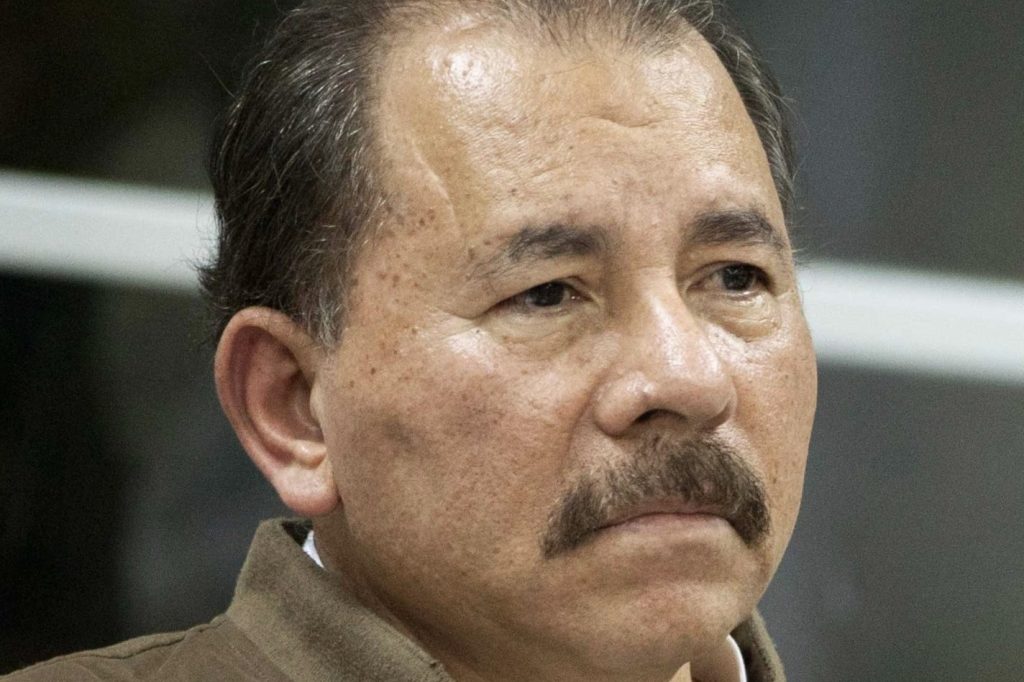
The Nicaraguan government’s departure from the Organization of American States became official on November 19, 2023, concluding a prolonged period of deteriorating relations between President Daniel Ortega’s administration and the hemispheric body. The OAS had spent years documenting what it characterized as democratic regression and human rights violations within Nicaragua, while Managua dismissed such assessments as external interference.
The formal exit carries immediate institutional consequences. Nicaragua forfeits its voting rights in the OAS General Assembly, loses access to the organization’s dispute resolution mechanisms, and can no longer participate in its technical cooperation programs. Beyond these procedural changes, however, the departure carries significant geopolitical weight.
Nicaragua is Central America’s largest country by land area, positioned strategically across the isthmus with both Pacific and Caribbean coastlines. It lies a short distance from U.S. southern borders and hosts a planned interoceanic canal project backed by Chinese capital—a venture that has long concerned Washington. The OAS represented one of the few regional platforms that continued to hold Managua accountable for its actions.
With that constraint removed, new possibilities emerge for Beijing. China restored diplomatic relations with Nicaragua in 2021 after Ortega severed ties with Taiwan. Since then, Beijing has signed free trade agreements, funded infrastructure projects, and supplied COVID-19 vaccines. The OAS withdrawal eliminates a layer of diplomatic friction, leaving no regional organization to remind Managua about democratic standards or provide a forum for neighboring countries to apply collective pressure.
For the United States, this development creates strategic complications. Washington has historically utilized the OAS as a vehicle for promoting democratic governance and countering influence from outside the hemisphere. A Nicaragua operating outside the OAS framework while deepening its relationship with China challenges American efforts to maintain influence in its traditional sphere. The U.S. has imposed sanctions on senior Nicaraguan officials, but these measures alone cannot replace the soft power and diplomatic coordination that the OAS previously facilitated.
The Ortega government has pursued an authoritarian path since 2007. Protests in 2018 were met with lethal force. The opposition has been dismantled, independent media outlets have been closed, and the 2021 presidential elections were widely viewed as predetermined after potential challengers were arrested. The OAS documented these developments in detailed reports and condemnatory resolutions, though it lacked enforcement authority. The withdrawal makes that powerlessness explicit.
Other Central American nations now face a decision about whether to continue working through the OAS on regional matters including migration, security, and trade, or to observe Nicaragua moving into a separate orbit. The risk involves fragmentation of regional coordination on issues like migration flows and organized crime. The OAS itself emerges weakened, having lost dues, legitimacy as a truly hemispheric body, and leverage. If members can depart without meaningful consequences, the organization’s ability to enforce standards appears hollow, potentially encouraging other authoritarian-leaning governments to follow suit.
China can afford patience, offering loans, building ports, and purchasing influence without demanding democratic reforms. The United States has limited options—sanctions continue but cannot reverse the withdrawal, diplomatic channels remain cold, and the Ortega government has rejected external admonishment. With the OAS door closed, attention now turns to what fills the space China holds open.




