
WASHINGTON, July 19 — A narrow ribbon of water, the Strait of Hormuz has been a global flashpoint for decades. At its tightest, the strait measures just 33 kilometres across, with two shipping lanes each 2.5 kilometres wide. Through that bottleneck flows roughly one-fifth of the world’s oil consumption — a concentration of strategic vulnerability that has drawn warships, missiles, and tragic miscalculation.
From the Tanker War to the Present
During the Iran-Iraq War of the 1980s, the so-called Tanker War erupted in 1984. Both sides began targeting oil tankers and other vessels in the Persian Gulf. The conflict drew the United States directly into the fight: from 1987 to 1988, the US Navy ran Operation Earnest Will, escorting reflagged Kuwaiti tankers and engaging Iranian forces.
Then came the worst single moment of that era. On July 3, 1988, a US warship shot down a civilian airliner.
All 290 people on board were killed. Decades later, the strait has never really been quiet. In 2012, Iran threatened to block passage in response to sanctions on its oil exports.
The threat did not materialise into a full closure, but it rattled global energy markets.
Attacks That Shook the World’s Supply
On September 14, 2019, drone and missile strikes hit Saudi Aramco’s Abqaiq oil-processing facility and the Khurais oil field. The attack cut production by 5.7 million barrels per day — the largest single disruption in the history of the oil industry. No group claimed responsibility at the time, though the United States blamed Iran.
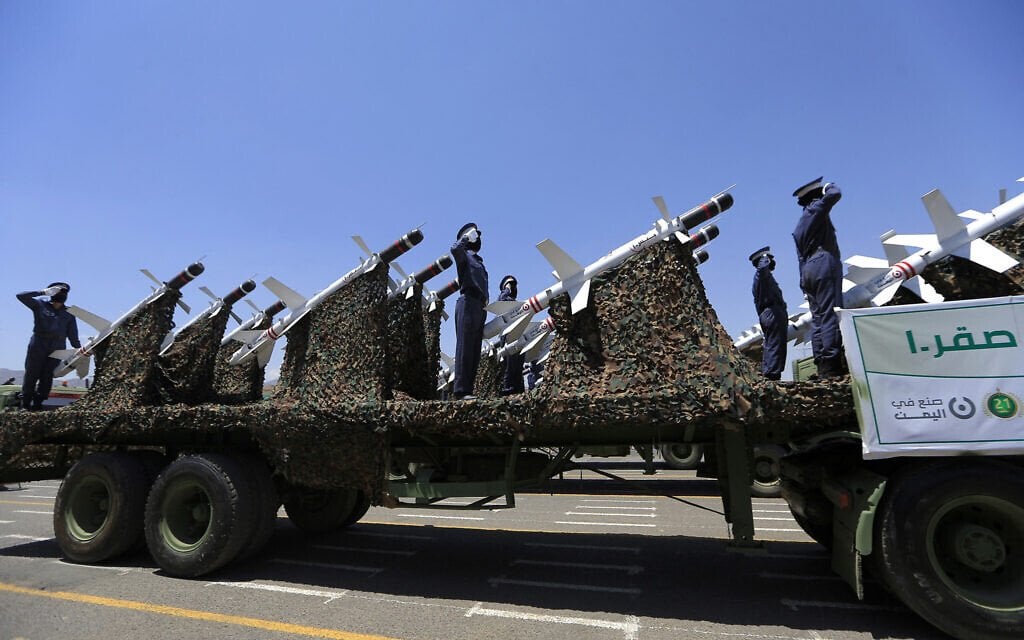
More recently, the conflict has moved to the Red Sea. Starting in November 2023, the Houthi movement began attacking commercial ships.
By October 2024, the group had launched missiles and drones at more than 30 vessels in the area. The Houthis said they were acting in support of Hamas during the Gaza war. The United States and Britain responded with airstrikes on Houthi positions, beginning in January 2024.
A Human Cost That Lingers
For the families of those aboard the downed airliner, the memory of that July day remains a scar. The 290 civilians killed were not combatants. They were passengers on a routine commercial flight.
The incident continues to poison relations between Washington and Tehran. That human dimension runs through the entire history of the waterway.
Tanker crews have been killed, economies disrupted, and entire regions drawn into confrontation — all for control of a channel that, at its narrowest, is barely wider than a marathon is long.
What Comes Next
As of mid-2026, the Strait of Hormuz remains both a vital artery and a potential flashpoint. The Houthi campaign in the Red Sea shows how non-state actors can threaten global shipping far from the Persian Gulf. Meanwhile, the underlying causes — the Iran nuclear standoff, the war in Gaza, and the competition for energy dominance — show no sign of resolution.
Any new disruption to the strait would have immediate consequences for oil prices and for the economies of importing nations from Europe to East Asia. The US administration has maintained a policy of maximum pressure on Iran, while also projecting naval force in the region.
Whether that posture deters or provokes remains the open question.




