
STAVROPOL, Russia — A Ukrainian strike on an oil depot in Stavropol Krai on April 27, 2025, has exposed a strategic vulnerability in Russia’s southern military logistics, according to regional records. The attack disrupted a critical fuel supply chain that supports Russian operations on the Zaporizhzhia and Kherson fronts, demonstrating Ukraine’s ability to strike deep into what had been considered a secure rear area. The oil depot is part of a network that fuels Russian military units in southern Ukraine and the Caucasus.
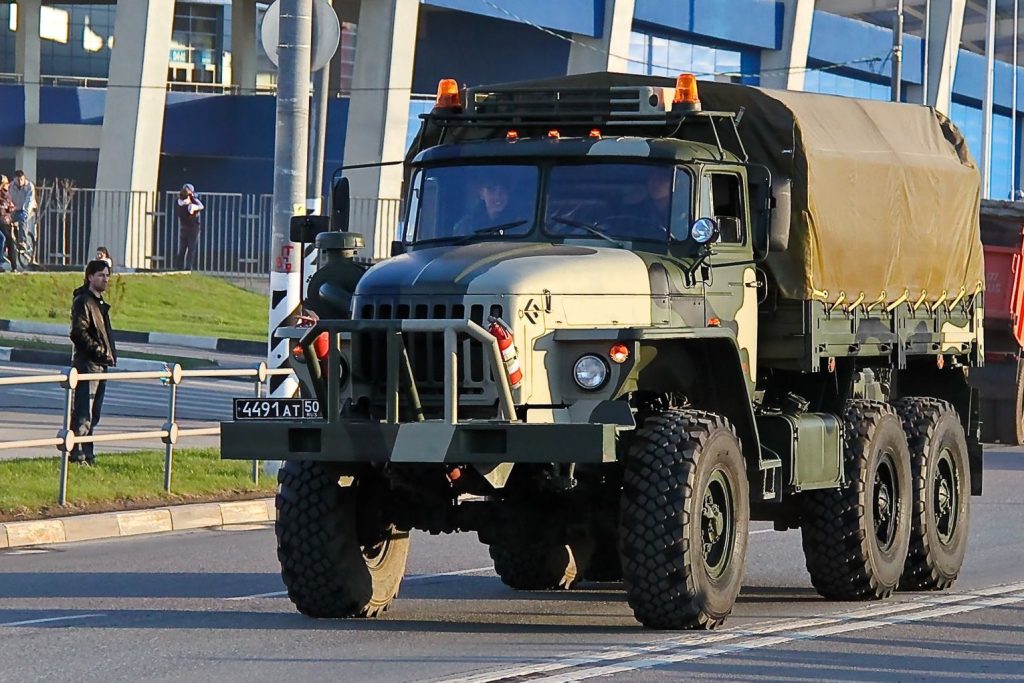
Fuel from this depot powers armored vehicles, aircraft, and logistics trucks essential for sustaining operations in the Zaporizhzhia and Kherson regions. The strike’s timing and location indicate a deliberate effort to sever a key node in Russia’s supply architecture.
Strategic Geography and Infrastructure
Stavropol Krai, a federal subject of Russia in the North Caucasus, sits approximately 1,200 kilometers from the Ukrainian border. That distance had long made it a relatively safe staging area for military logistics, far from the front lines. The region hosts significant energy infrastructure, including oil pipelines and storage depots that directly feed Russian military operations.
The Stavropol oil refinery, one of the largest in southern Russia, has a capacity of 10 million tons per year, according to regional records. While the refinery itself was not the target of the April 27 strike, the oil depot that was hit forms part of the same logistical backbone.
The attack underscores how Ukraine has extended its reach into Russia’s southern energy network, threatening assets previously considered out of range.
Operational Impact
The disruption to fuel supplies in Stavropol Krai creates immediate and downstream consequences for Russian forces. Armored vehicles require constant refueling during combat operations, and the loss of a major storage depot forces commanders to rely on longer and more vulnerable supply lines. Aircraft operating in support of ground troops in the Zaporizhzhia and Kherson fronts also depend on this fuel network.
The strike hit a depot that directly supports the Zaporizhzhia and Kherson fronts, two of the most active theaters of the conflict. The attack represents a tactical shift, as Ukraine demonstrates capacity to degrade Russian logistics far beyond the immediate battle zone.
Broader Implications
The April 27 strike in Stavropol Krai fits a pattern of Ukrainian long-range operations targeting Russian energy and logistics infrastructure. By hitting a depot 1,200 kilometers from the border, Ukraine has signaled that no part of Russia’s southern military logistics network is immune. This forces Russia to redistribute air defense and security assets to protect rear-area fuel and supply nodes, resources that might otherwise be deployed to the front.
The attack also carries economic consequences for the region. Stavropol Krai’s energy infrastructure is a major employer and revenue generator.
Damage to the oil depot and the broader logistical network could slow the flow of fuel not only to military units but also to civilian markets in the North Caucasus. Looking ahead, the strike raises questions about the sustainability of Russian supply lines in southern Ukraine. If Ukraine can repeatedly hit fuel depots in Stavropol Krai, Russian forces in Zaporizhzhia and Kherson may face fuel shortages that constrain their operational tempo.
The coming weeks will show whether Moscow can secure these rear-area assets or whether Ukraine will press its advantage with further deep strikes.




