
Ten years after Britons voted to leave the European Union, the old battle lines have shifted — but the war over Europe is far from over. What began as a single referendum question has fractured into a multi-sided political free-for-all, with Labour, Reform, and even factions within the Conservatives now staking out sharply different positions on the UK’s future relationship with the continent.
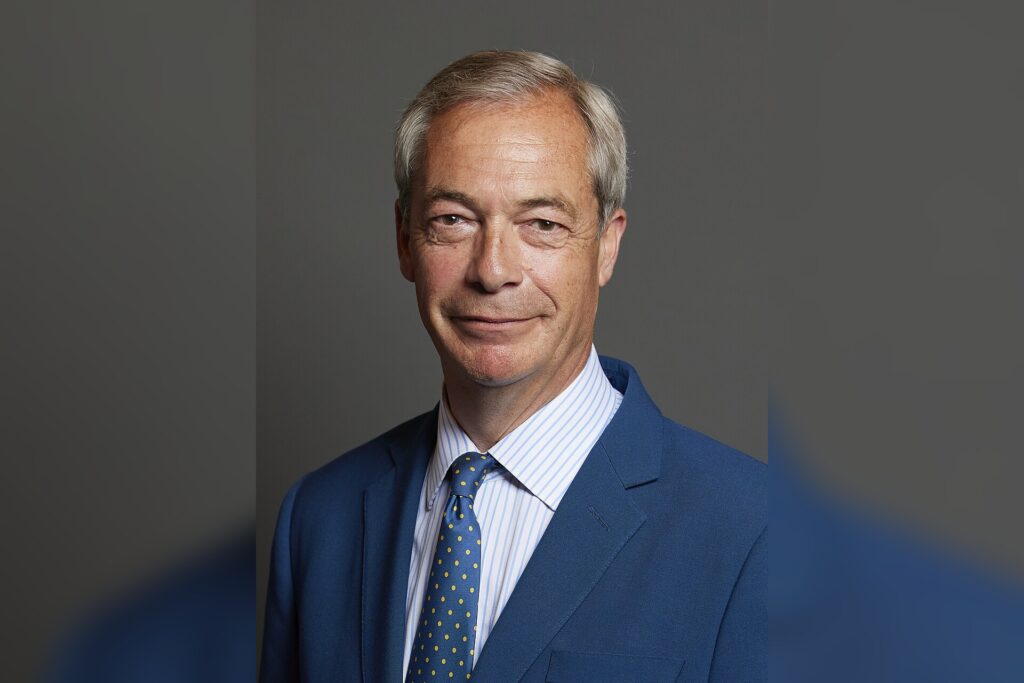
The immediate flashpoint came when Cabinet Office minister Nick Thomas-Symonds labeled Reform leader Nigel Farage a “threat to national security.” His charge: that Farage’s worldview is “sympathetic” to Vladimir Putin. It is a serious accusation, leveled at one of the most recognizable faces of the Leave campaign, and it signals just how toxic the Brexit debate has become a decade on.
Farage did not take the hit quietly. He shot back that Britain needs a government that will actually “deliver” on Brexit. In his telling, senior politicians from all three main parties — former prime minister Boris Johnson, Conservative leader Kemi Badenoch, and outgoing Prime Minister Keir Starmer — have all missed the message from the country’s “forgotten places.” Those voters, Farage insists, wanted a “fairer deal” for the UK, not the half-measures they got.
The timing is no accident. The 10-year anniversary of the June 23, 2016 vote has forced the issue back onto the front pages.
But the deeper reason for the renewed clash is political: the outgoing prime minister had placed closer ties with Brussels at the heart of his promised “reset” after Labour’s electoral drubbing in May. That move, intended to stabilize relations with Europe, instead opened a fresh front line at Westminster. Into that gap steps Andy Burnham.
The Greater Manchester mayor, now widely seen as a prime minister-in-waiting after his Makerfield by-election win and Starmer’s resignation as party leader, is trying a different approach. Burnham has promised not to “re-run” past Brexit battles. He has played down any immediate prospect of reversing the 2016 result.
But he also said he would like to see the UK back in the EU within his lifetime. That is a nuanced position — and a careful one.
It reflects the complexity of an issue that still splits the electorate. Polls show a majority now think Brexit was a mistake, but there is no consensus on what to do about it. A straight rejoin campaign would alienate the very “forgotten places” Farage claims to speak for.
A full reset risks angering those who still believe in the project. Burnham’s balancing act may be the most realistic path forward.
But it is also a sign of how constrained British politics remains on Europe. No major party leader is willing to advocate for a simple reversal. The political cost is too high.
Instead, the debate has become a proxy war over national identity, security, and who speaks for the left-behind. The UK in a Changing Europe think tank hosted an event that captured this mood. The discussion there, as elsewhere, grappled with a central question: ten years on, has Brexit delivered?
The answer, from all sides, is a muddled one. Some see a sovereign nation freed from Brussels’ rules.
Others see a diminished economy and a broken promise. Both sides can point to evidence. Neither can claim a clear victory.
What is clear is that the argument is intensifying, not cooling. The anniversary has not brought closure.
It has reopened old wounds. And with a new Labour leader in Burnham, a resurgent Reform party under Farage, and a Conservative party still reeling from its May defeat, the next phase of the Brexit story is only just beginning.




