
KYIV, July 13 — On paper, Volodymyr Zelenskyy was an unlikely wartime leader: a comedian and actor who took office on May 20, 2019, with no military experience beyond winning the presidency with 73.2 percent of the vote. The mechanics here are worth unpacking, because that same background has become his central asset. Born January 25, 1978, in Kryvyi Rih, Ukraine, Zelenskyy built a career on performance.
Then Russia launched its full-scale invasion on February 24, 2022. The stage shifted.
The pivot from performer to commander
Zelenskyy became the face of Ukraine’s resistance, rallying international support and military aid. The catch is that his wartime role has required him to make decisions that carry direct military consequences. He has authorized strikes on Russian military targets inside Russia.
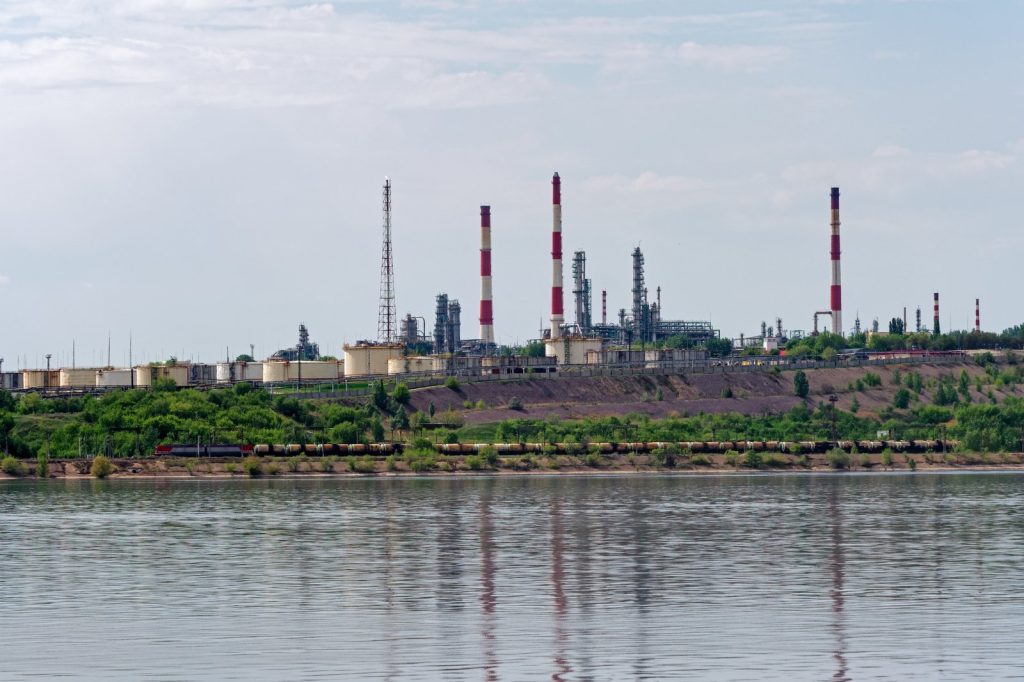
One reported instance: the April 28, 2024 attack on an oil depot in Stavropol Krai. On closer reading, that authorization marks a significant escalation in Ukraine’s operational doctrine — hitting fuel infrastructure on Russian soil, not just in occupied territory.
He has consistently called for Western allies to provide long-range weapons and to lift restrictions on using them against Russian territory. The argument follows a clear logic: if Ukraine cannot strike the supply lines and staging areas inside Russia, the war grinds into a positional stalemate favoring Moscow’s larger army.
The diplomatic campaign
Zelenskyy has addressed the US Congress in December 2022, the UN General Assembly in September 2023, and numerous other international forums. Each speech is a calibrated ask: more weapons, fewer restrictions, faster deliveries. His approval rating in Ukraine remained above 80 percent in early 2024.
That figure, while striking, reflects a wartime rally effect that history suggests is fragile. The question is how long it holds if Western supplies slow or if territorial losses mount.
He is married to Olena Zelenska, with two children. The family has remained in Ukraine throughout the war, a detail that carries its own political weight.
What to watch next
The central tension in Zelenskyy’s position is the gap between what he asks for and what he gets. Long-range weapons have arrived in tranches, not floods. Restrictions on their use have been loosened, not lifted.
The mechanics of Western military aid follow their own political rhythms — US congressional cycles, European domestic politics, and the shifting calculus in Beijing and Tehran. For a leader whose political identity is now fused with wartime command, the next moves will be about sustaining that international coalition while managing the domestic expectation that the war can be won, not just survived.




