
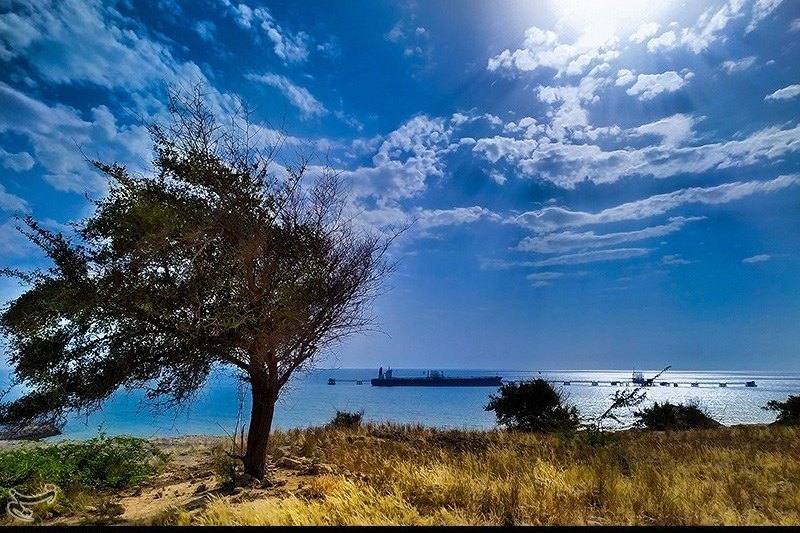
On 7 April 2026, United States Air Force aircraft, operating alongside the Israeli Air Force, carried out a coordinated strike against Iranian military facilities on Kharg Island. The operation produced a series of large explosions, marking a notable intensification of hostilities in the Persian Gulf region.
The Department of Defense released a statement indicating the raid was a response to what it described as a rise in Iranian aggression and threats to regional stability. Secretary of Defense Lloyd Austin affirmed that the United States, together with its partners, will persist in taking “all necessary measures” to safeguard their interests and uphold security in the area. The U.S. Air Force, whose core missions encompass air superiority, global intelligence‑surveillance‑reconnaissance, rapid mobility, global strike, and command‑and‑control, led the aerial component of the mission.
Founded on 18 September 1947 under the National Security Act, the service has a long record of conducting strategic operations in support of U.S. national security objectives and works closely with other U.S. military branches and international allies. Israel’s participation underscored the depth of the bilateral alliance.
Israeli Prime Minister Benjamin Netanyahu described the joint action as a “powerful demonstration” of the shared commitment between the two nations to defend their interests and promote stability in the region. Iran’s government has been identified by Washington and its partners as a source of destabilizing behavior, including support for militant groups. The United States has been coordinating with a range of allies—including NATO, the AUKUS security pact, and the Quad—to counter what it views as Iranian hostile actions and to foster a more secure environment.
U.S. Secretary of State reiterated that Washington will continue collaborating with its partners to address challenges posed by Tehran and to work toward a more peaceful and prosperous Middle East. The Kharg Island strike serves as a tangible illustration of the United States’ willingness to act decisively against perceived threats.
NATO Secretary‑General Jens Stoltenberg affirmed that the alliance will maintain close cooperation with the United States and other partners to confront the challenges emanating from Iran and to sustain regional stability. Analysts note that the operation could compel Tehran to reassess its aggressive posture, given the demonstrated capability and resolve of the U.S.–Israeli partnership. The broader coalition of Western and Indo‑Pacific allies signals a continued commitment to a credible military presence in the Gulf, aimed at deterring further escalation.
Looking ahead, U.S. defense officials indicated that the Air Force will remain a central element of any future response to threats in the region, leveraging its advanced capabilities and global reach. The United States and its allies have pledged to stay vigilant, emphasizing that they will “take all necessary measures” to protect their interests and encourage a stable, secure environment.
As the situation evolves, the joint strike on Kharg Island stands as a clear example of coordinated action designed to counter hostile actors and reinforce the strategic objectives of the United States and its partners in the Middle East.




