
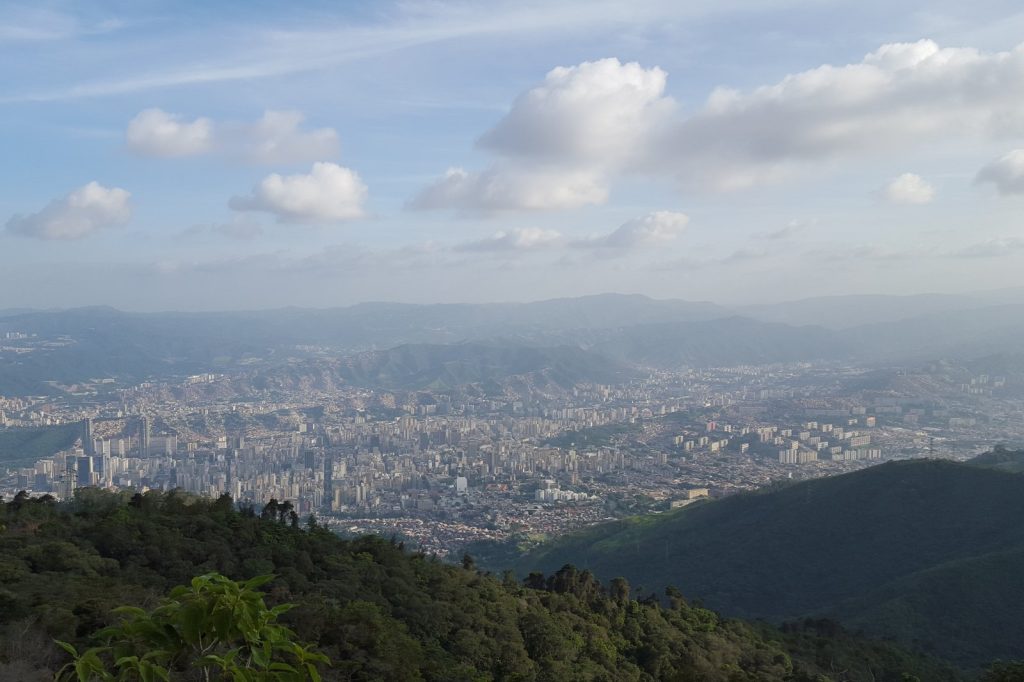
CARACAS, July 12 — The air in Caracas has a familiar tension. On the streets, residents describe a city living under the weight of a sanctions regime that has now entered its second decade, reshaped by a new executive order signed in March 2025. The United States first declared a national emergency regarding Venezuela on March 9, 2015, under President Barack Obama.
That declaration, citing threats to national security from the situation in Venezuela, has been renewed annually ever since — by Presidents Trump, from 2017 to 2021, and Biden, from 2021 to 2025.
Sanctions in Depth: Oil, Banking, and Individuals
The sanctions have been layered and targeted. They have hit the state oil company PDVSA, the Central Bank of Venezuela, and more than 150 individuals. Among those sanctioned are President Nicolás Maduro, who was targeted in 2017; Vice President Delcy Rodríguez, sanctioned in 2018; and Defense Minister Vladimir Padrino López, sanctioned in 2020.
The 2019 sanctions on PDVSA froze $7 billion in assets. By 2020, the effect was staggering: a 99% drop in oil revenue.
That collapse reshaped the Venezuelan economy, stripping the government of its primary source of foreign currency and deepening the humanitarian crisis on the ground. There was a brief window of relief. In 2023, the U.S. temporarily lifted some oil sanctions after the Barbados Agreement between the Maduro government and the opposition.
The deal raised hopes of a political thaw. But the relief was short-lived.
In April 2024, the U.S. reimposed the sanctions after Maduro blocked opposition candidate María Corina Machado from running.
A Shift in Enforcement
The new March 2025 executive order marks a significant shift. It transfers sanction authority from the Office of Foreign Assets Control, or OFAC, to the Secretary of State. This move changes who holds the levers of enforcement, concentrating power over the sanctions regime in the State Department.
The implications are still unfolding. On the ground, residents describe a landscape where the sanctions remain a constant presence, shaping everything from fuel availability to the value of the bolívar.
The scene in Caracas is one of careful calculation — businesses watch for any change in policy, while families navigate the daily reality of a sanctioned economy. What comes next is uncertain. The executive order gives the Secretary of State direct authority over sanctions enforcement, a tool that could be wielded with precision or with force.
The Venezuelan government has not publicly altered its stance, and the opposition remains fractured after Machado’s exclusion from the ballot. The sanctions regime, now entering its second decade, shows no sign of retreat.




