
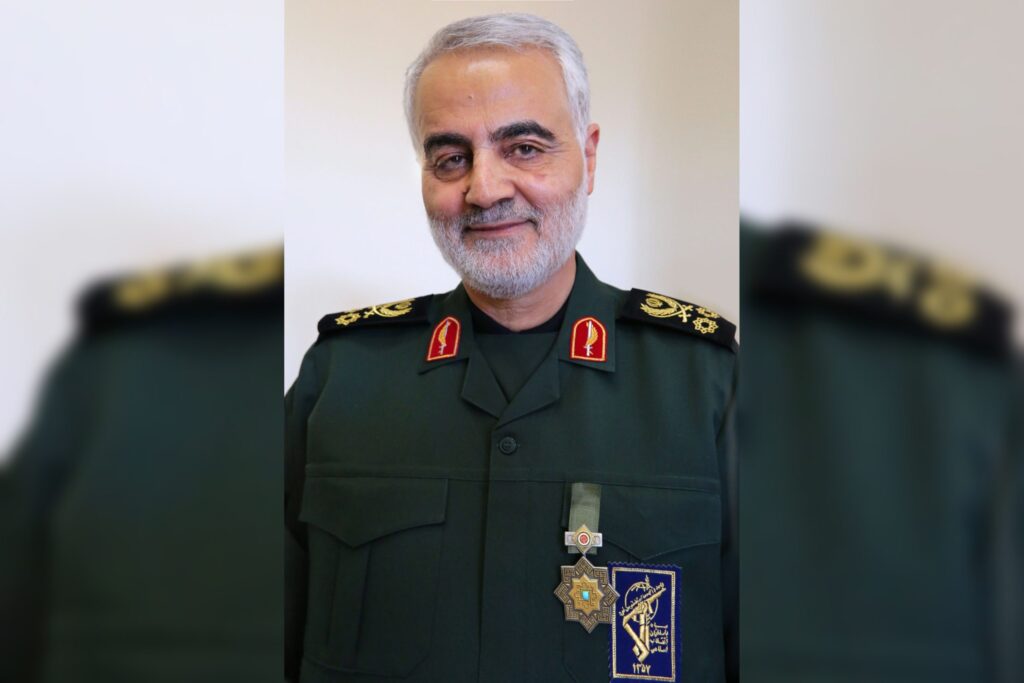
Nearly five years after the U.S. drone strike that killed Iranian Quds Force commander Qasem Soleimani, intelligence shared by Israel with American authorities suggests Iran is plotting to assassinate former President Donald Trump, according to multiple sources. The intelligence was reportedly provided to U.S. officials in the days immediately preceding the November 2024 presidential election, as Trump campaigned for the Republican nomination.
The alleged plot fits within a pattern of retaliation that Iran has vowed since Soleimani’s death on January 3, 2020, near Baghdad International Airport — an operation ordered by then-President Trump. The intelligence sharing occurred amid ongoing hostilities between Israel and Iran, including clashes involving Iran-backed groups such as Hezbollah and Hamas. The U.S. Secret Service has been notified of the threat and has increased security measures for Trump, though the specific details of those measures have not been publicly disclosed.
The former president continues to campaign for the 2024 Republican presidential nomination, and his security remains a priority for federal agencies. The story was first reported by CNN on November 8, 2024.
To date, the White House, the Israeli government, and the Iranian mission to the United Nations have not officially confirmed the intelligence disclosure.
Context of a Sustained Threat Environment
The reported plot is not an isolated incident but part of a broader, long-standing pattern. The U.S. Department of Justice has previously charged Iranian nationals with plotting to assassinate American officials, including former National Security Advisor John Bolton in August 2022. In January 2023, the U.S. Treasury imposed sanctions on Iranian officials linked to assassination plots.
Together, these earlier cases provide context for the latest intelligence, indicating that Iran’s pattern of covert retaliation has continued. The alleged plot against Trump is believed to be tied directly to Iran’s repeated vows to avenge Soleimani’s killing.
The rivalry between Iran and Israel stretches back decades. Since the mid-1980s, Tehran has backed armed groups across the Middle East, including Hezbollah in Lebanon and factions involved in the Israeli-Palestinian conflict. These ties have fueled a steady cycle of proxy confrontations, covert operations, and retaliatory strikes. The killing of Soleimani in 2020 marked a particularly sharp escalation.
As commander of Iran’s Quds Force, he had overseen a network of allied militias and was a central figure in Iran’s regional strategy. His death sparked immediate threats of retaliation from Iranian leadership and has shaped subsequent tensions between the two nations.
Security Cooperation and Domestic Implications
The intelligence sharing between Israel and the United States underscores the close security cooperation between the two allies, even as the threat environment evolves. The U.S. Secret Service’s response reflects the seriousness with which federal agencies view the intelligence, though the lack of official confirmation from the White House, the Israeli government, or the Iranian mission leaves room for further developments and cautious vigilance. Donald Trump, a businessman and politician, served as the 45th U.S. president from 2017 to 2021 and is now the Republican nominee in the 2024 election.
His first term was defined by sharp policy shifts — tighter immigration controls, deregulation, major tax changes, and withdrawal from international agreements — along with two impeachments and a post-election refusal to concede the 2020 race. In 2023 and 2024, he faced civil and criminal legal proceedings, including a felony conviction in New York, making him the first former president convicted of a crime.
His second presidential bid comes amid a charged security environment, with Iran actively pursuing reprisals for past actions against its interests. The current intelligence about a potential plot against Trump intersects with American domestic politics as Trump seeks to regain the presidency. U.S. authorities have previously disrupted Iranian assassination attempts targeting former officials, and the reported plot — allegedly tied to Iran’s vow for revenge over Soleimani — reflects a long-standing shadow war that continues to evolve.
As more information becomes available, the overall outlook remains one of cautious vigilance, with federal agencies maintaining heightened security for the former president.




