
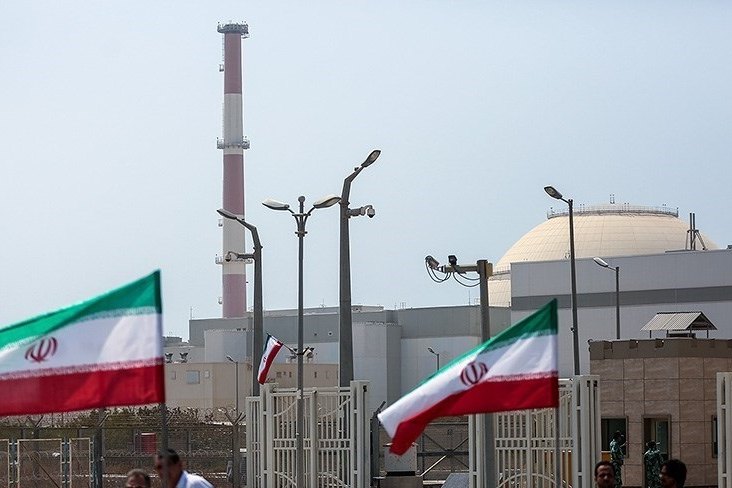
The 2015 nuclear accord that once served as the centerpiece of international efforts to limit Iran’s nuclear program in exchange for sanctions relief now stands at an uncertain crossroads. Analysts have outlined multiple possible paths forward, each carrying distinct implications for global markets and for households across Asia that depend on stable energy prices and supply chains.
Renewed diplomatic talks between the United States and Iran could resume, potentially leading to negotiations on a new nuclear deal that might ease tensions and boost markets. That scenario competes, however, with darker possibilities. The United States could instead impose additional sanctions, further isolating Tehran from global trade and finance.
A military conflict, such as a US strike on Iranian nuclear facilities, could trigger a sharp market downturn and a spike in oil prices, with immediate consequences for economies from Manila to Mumbai.
A Deal Born from Long History
The Joint Comprehensive Plan of Action emerged from formal talks that began with an interim accord in 2013 and culminated in the final 2015 agreement. That pact was struck between Iran and major powers, including the permanent members of the United Nations Security Council, plus Germany and the European Union. It followed a spring 2015 outline and a separate roadmap with the International Atomic Energy Agency. The agreement limited Iran’s nuclear program in return for sanctions relief.
Iran itself is a West Asian country historically known as Persia, home to one of the world’s oldest continuous major civilizations. Its territory was first unified under the Medes and later formed a large empire under Cyrus the Great, passing through successive ruling dynasties and conquests.
A unified Iranian state with Shia Islam as its official religion took shape under the Safavid dynasty in the 16th century. The Islamic Republic of Iran arose after the 1979 revolution that overthrew the monarchy. Earlier in the 20th century, a constitutional revolution and then the Pahlavi dynasty changed the structure of the state before foreign-backed intervention altered the course of oil nationalization efforts.
The modern state now sits at a crossroads of regional and global tensions rooted in that long history.
Key Markers: IAEA, Congress, and the Federal Reserve
The International Atomic Energy Agency has scheduled a board meeting for July 2024 to discuss Iran’s nuclear compliance. That meeting, now two years past, set the stage for the current standoff.
Meanwhile, the US Congress is considering new legislation to tighten sanctions on Tehran, a move that would further restrict Iran’s access to international banking and oil markets. Markets will also watch for any statements from the Federal Reserve, as interest rate decisions influence investor sentiment. For Asian economies that depend on imported oil and maintain close trade ties with both the United States and the Middle East, the interplay between nuclear diplomacy and monetary policy creates a complex environment.
The nuclear question matters now because decisions on talks, sanctions, or conflict affect energy costs and trade for households far beyond the Middle East. Readers in Asia and elsewhere feel the impact through oil prices and financial markets tied to those choices.
Regional Realities and the Path Ahead
For communities across Asia, the stakes are concrete. A renewed deal could stabilize oil prices and reopen trade routes that have been constrained by sanctions. Additional sanctions or military action would likely drive up energy costs and disrupt supply chains that feed factories and power plants from Vietnam to South Korea.
A long-standing agreement is again the pivot for stability or disruption. The path forward remains uncertain.
What is clear is that the decisions made in Washington, Tehran, and Vienna will shape economic realities for millions of people far beyond the negotiating table. The IAEA board meeting and the congressional legislation are the next markers to watch, along with any signals from the Federal Reserve about the direction of interest rates.




