
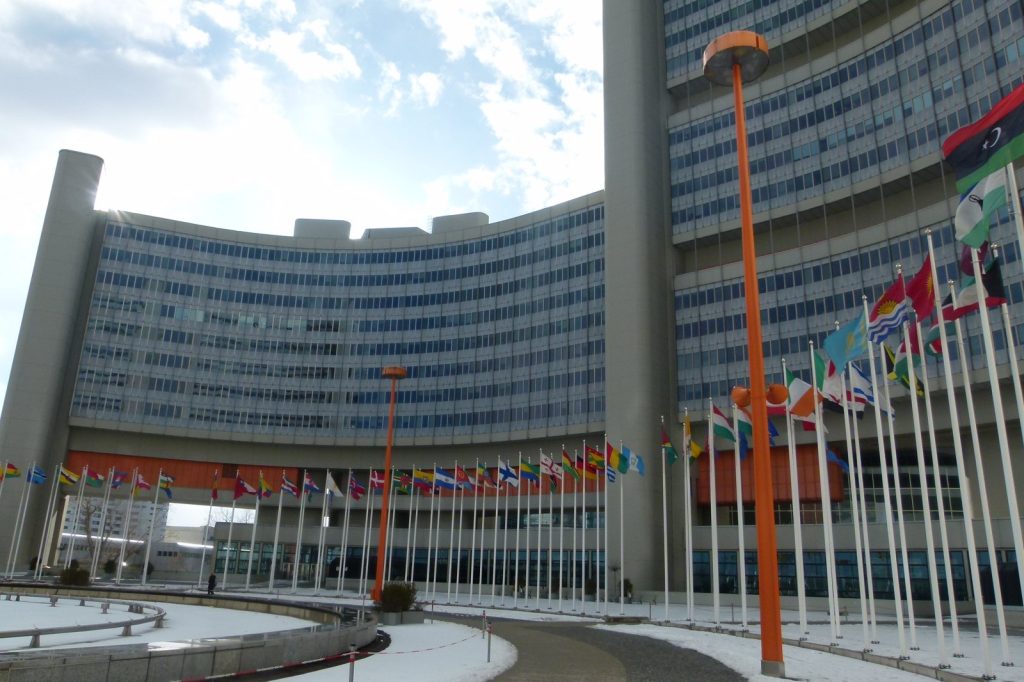
VIENNA, July 14 — The Joint Comprehensive Plan of Action, the 2015 nuclear deal between Iran and world powers, was signed exactly eleven years ago today. On this anniversary, the agreement exists in name only, its central limits on Tehran’s nuclear program long since abandoned. The original deal, signed on July 14, 2015, between Iran and the P5+1 — the United States, United Kingdom, France, Russia, China, and Germany — restricted Iran’s uranium enrichment to 3.67 percent purity.
It capped Iran’s stockpile of enriched uranium hexafluoride at 300 kilograms. Those limits were designed to extend the time Iran would need to produce enough fissile material for a nuclear weapon.
The United States withdrew from the accord on May 8, 2018, under President Donald Trump, who called the deal flawed. Iran initially remained within the JCPOA’s parameters for roughly a year after the American exit.
The cascade of breaches
Iran began breaching the deal’s core limits in 2019. By April 2021, Tehran was enriching uranium to 60 percent purity. That level is close to weapons-grade 90 percent enriched uranium, the material required for a nuclear warhead.
As of 2024, the International Atomic Energy Agency reported that Iran had enriched uranium to 84 percent purity. Iran denies seeking nuclear weapons.
The current military action targets key nuclear facilities, including the Natanz enrichment plant and the Fordow Fuel Enrichment Plant. Both sites operate under IAEA safeguards.
A program with American roots
Iran’s nuclear program did not begin as a weapon. The record shows it started in the 1950s with assistance from the United States under the Atoms for Peace program. That original cooperation stands in sharp contrast to the current confrontation.
The timeline of the JCPOA’s collapse is now well established: the 2015 signing, the 2018 U.S. withdrawal, Iran’s 2019 breaches, the steady enrichment escalation through 2021, and the IAEA’s 2024 finding of 84 percent purity. Each step moved further from the deal’s original architecture.
What to watch next
The coming weeks will show whether the current military operations degrade Iran’s enrichment capacity or accelerate Tehran’s push toward a weapon. The Natanz and Fordow sites present different targeting challenges. The IAEA’s next quarterly report will provide the most concrete data on Iran’s current stockpile and enrichment levels.
That report, expected in the coming months, will be the first independent verification of damage from the strikes and of Iran’s remaining capabilities. Eleven years after the JCPOA was signed, the original bargain — limited enrichment in exchange for sanctions relief — lies in ruins.
What replaces it remains unclear.




