
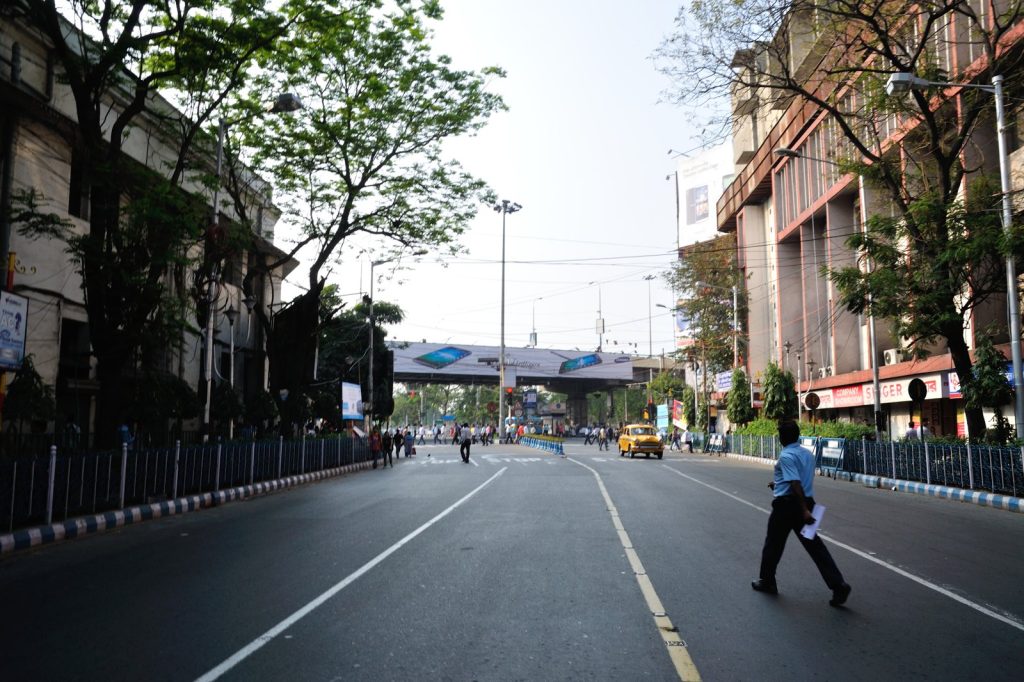
As the coronavirus pandemic spread across the globe, Indians observed the crisis unfolding in other nations—Italy’s healthcare system buckling under pressure, the streets of New York falling silent. On March 24, Prime Minister Narendra Modi took decisive action, ordering all 1.3 billion citizens to remain in their homes starting at midnight. The directive applied uniformly across India’s 36 states and territories, with no exceptions for any city or village.
The lockdown was set to last a minimum of 21 days, effectively halting movement for a population larger than Europe’s entire continent. The primary objective was clear: prevent the coronavirus from devastating some of the world’s most densely populated areas.
In a televised address, Modi did not minimize the severity of the situation. He stated that citizens had witnessed global developments related to the pandemic and had seen even the most powerful nations rendered helpless. At the time of the announcement on March 25, India had only 657 confirmed cases, making the lockdown a preemptive and drastic measure—the government acting before the crisis escalated rather than in response to it.
Health Minister Dr. Harsh Vardhan confirmed that authorities were implementing all required precautions. Essential services, including hospitals and medical facilities, continued operating.
All non-essential activities were suspended: shops, factories, offices, and markets closed; public gatherings prohibited. Schools and universities had already been shut, and both domestic and international travel had been halted prior to the lockdown order. The scale of the directive is difficult to comprehend. 1.3 billion people were instructed to remain inside their homes. For many, that home consists of a single room shared with five or six others.
For millions of migrant workers, home is a construction site or a pavement. The order made no distinction between a high-rise apartment in Mumbai and a slum in Delhi.
Modi stated that every street and neighborhood was being placed under lockdown, emphasizing the need to save India and every citizen, including families. He urged people not to panic, assuring that the government would provide necessary supplies. That promise faces a significant test.
India’s vast informal economy—encompassing daily wage laborers, street vendors, and rickshaw pullers—lacks any safety net. A 21-day lockdown means 21 days without income for millions who live hand to mouth.
The government must now deliver food and financial support to people who cannot leave their homes to earn a living. The decision came as the global death toll rose and countries adopted measures previously effective in China and South Korea. India’s approach was the most extreme: no other nation had attempted to lock down its entire population.
The risk was substantial. If the virus was already spreading undetected, confining people in crowded homes could accelerate transmission.
If the lockdown succeeded, it would buy crucial time to prepare hospitals, stock supplies, and avoid the crisis witnessed in Italy. Modi made clear he had observed those scenes, referencing the helplessness of powerful nations to convey that India was not immune and would not wait until it was too late. The lockdown commenced at midnight.
Streets emptied. Trains stopped.
For a country of 1.3 billion, the silence was the most striking sound of all.




