
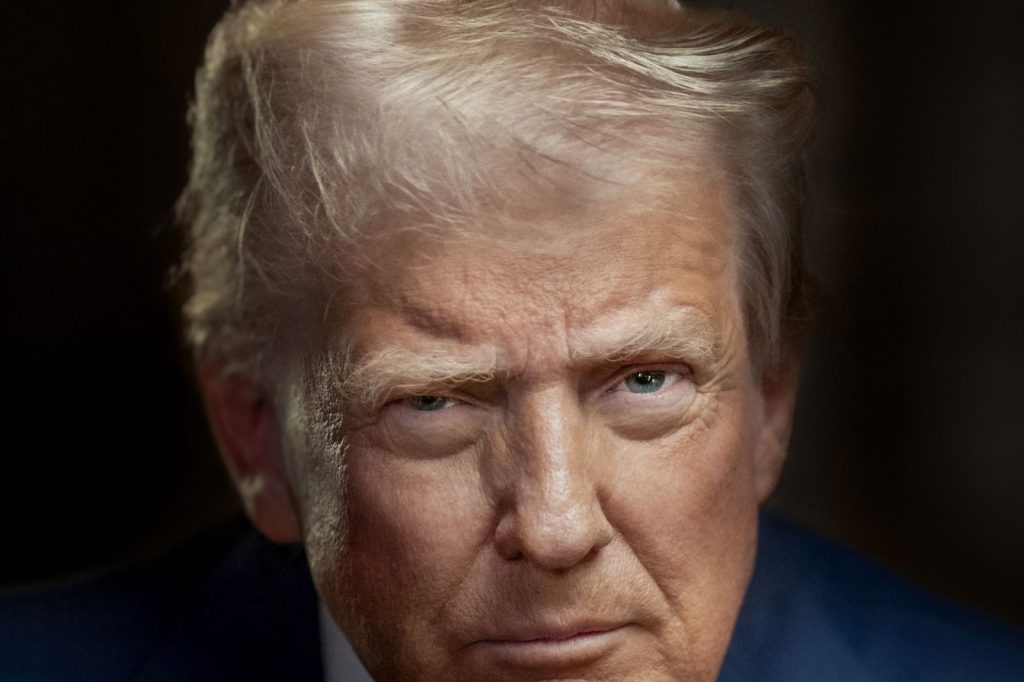
President Donald Trump, senior members of his Cabinet, and allied lawmakers in Brazil and Britain said on 30 March 2020 that the accelerating global coronavirus disaster is rooted in Beijing’s early secrecy, distorted case counts, and continued restrictions on medical exports. The coordinated criticism, delivered as worldwide deaths topped 34 000 and U.S. jobless claims smashed records, marks the sharpest official rebuke of the Chinese Communist Party since the pathogen emerged in Wuhan last December.
Speaking at the daily Coronavirus Task Force briefing, Trump told reporters he remains frustrated that Beijing withheld information for weeks. “I wish they could have told us earlier about what was going on inside.
We didn’t know about it until it started coming out publicly, but I wish they could have told us earlier about it because we could have come up with a solution,” the president said. Senior aides amplified the message, noting that Chinese authorities silenced Wuhan physicians, refused World Health Organization teams full access, and still publish case totals that “don’t match the cremation data,” one administration official said on background.
The State Department has instructed diplomats to press China on three demands: release complete lab samples, allow outside investigators into Wuhan, and lift export permits that since early March have blocked shipments of American-ordered ventilators and N-95 masks. Customs data show that Alibaba-owned platforms halted confirmed U.S. purchases of 2.4 million masks on 16 March, a move the White House calls “weaponizing supply chains.”
Capitol Hill unites, mostly, behind tougher line
Republican senators introduced the COVID-19 Accountability Act on 26 March, legislation that would authorize the president to impose sanctions if China does not cooperate within 60 days. “The Communist Party’s cover-up cost American lives and cratered our economy,” said Senator Lindsey Graham, the bill’s lead sponsor. Democrats have been cooler toward punitive measures, arguing that the immediate focus must be on domestic testing and hospital aid.
Still, even Minority Leader Chuck Schumer conceded on the Senate floor that “China’s numbers never added up.” House Speaker Nancy Pelosi, who has clashed repeatedly with Trump, nonetheless backed a House Foreign Affairs subcommittee plan to subpoena Chinese health officials for testimony once travel resumes.
Brazil entered the diplomatic fray after Eduardo Bolsonaro, son of President Jair Bolsonaro and chairman of the lower-house Foreign Relations Committee, posted a blunt assessment on Twitter: “The blame for the global coronavirus pandemic has a name and surname: the Chinese Communist party.” The congressman compared Beijing’s management of the outbreak to the Soviet Union’s handling of the 1986 Chernobyl disaster, saying both regimes “prioritized propaganda over public safety.” China’s embassy in Brasília demanded an immediate retraction, calling the remarks “evil and despicable.” Brazilian Agriculture Minister Tereza Cristina tried to calm tensions, China buys roughly 30 percent of Brazil’s soy and iron ore, but she stopped short of apologizing.
“Lawmakers speak freely in our democracy,” she told BandNews TV. Behind the scenes, advisers say President Bolsonaro agrees with his son but fears economic retaliation; the Brazilian real slid three percent on 27 March after rumors spread that Beijing might curb commodity purchases.
London piles on: “Feeble excuses”
Britain’s Cabinet Office Minister Michael Gove sharpened the tone during a BBC interview, accusing Chinese authorities of offering “feeble excuses” for allowing the virus to spread. “The first case of coronavirus in China was established in December of last year, but it was also the case that some of the reporting from China was not clear about the scale, the nature, the infectiousness of this,” Gove said.
His remarks reflect growing unease inside Downing Street that early U.K. modeling relied on Chinese data now viewed as “highly suspect,” according to a senior civil servant who requested anonymity. The criticism comes as Prime Minister Boris Johnson remains in isolation after testing positive.
Government sources say a post-crisis intelligence review will examine whether Beijing under-reported cases by a factor of fifteen and whether the WHO relayed those numbers uncritically. Foreign Secretary Dominic Raab has already signaled that the United Kingdom will join Washington in pushing for a “full, independent inquiry” once the emergency phase ends.
Beijing’s counter-narrative: aid, not apology
Chinese diplomats reject every charge. Foreign Ministry spokesman Geng Shuang told reporters on 27 March that Beijing acted “with the highest level of transparency” and that “political viruses” now spread faster than biological ones. State media highlight planeloads of masks and ventilators dispatched to Italy, Serbia, and the Philippines, many financed by Jack Ma’s foundation.
Yet even those shipments carry controversy; Spanish and Dutch officials recalled 130 000 test kits on 26 March after finding accuracy rates below 30 percent. “We appreciate the generosity, but we need quality,” Spain health minister Salvador Illa said.
Inside China, censorship continues. Citizen journalist Chen Qiushi disappeared on 6 February after live-streaming hospital conditions in Wuhan; Li Zehua, another video blogger, was detained in February and has not resurfaced. Such actions fuel foreign skepticism.
“Transparency can’t be selective,” said U.S. Ambassador to the United Nations Kelly Craft. “The world needs facts, not curated narratives.” Global markets remain volatile, and supply-chain managers warn that China’s export licensing system could strangle medical goods through at least May.
The stand-off therefore carries immediate life-or-death stakes for American hospitals now projecting peak demand in mid-April. Whether Beijing yields to outside investigators or doubles down on its aid offensive will shape both the pandemic’s next phase and the geopolitical balance that emerges after the last patient recovers.




