
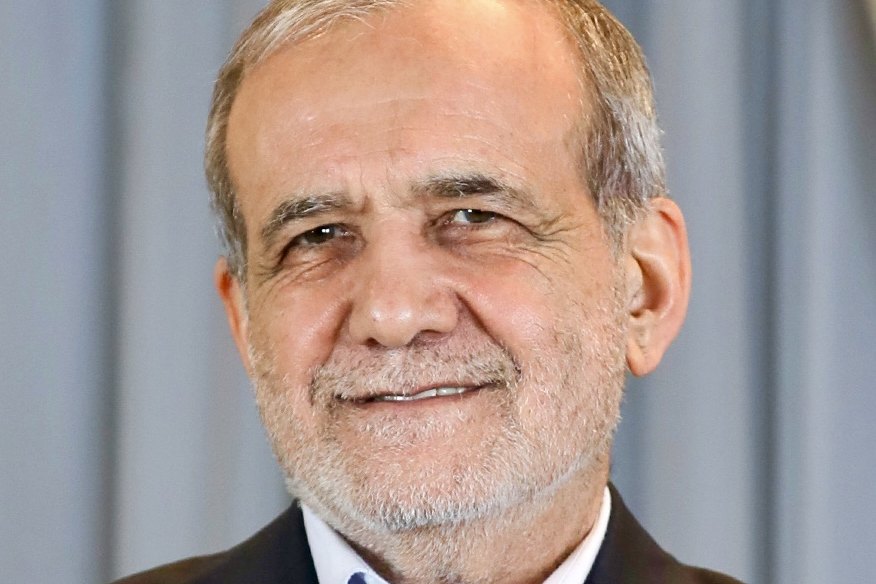
On 14 April 2026, Iranian President Masoud Pezeshkian placed a call to French President Emmanuel Macron to discuss the stalled Islamabad Talks. During the conversation, Pezeshkian accused the United States of adopting “maximalist positions” and showing a “lack of goodwill,” which he said eliminated any realistic prospect of reaching an agreement. The Islamabad Talks were intended to address a wide‑ranging agenda that included security cooperation and economic collaboration between Iran and the United States.
According to the report, the United States was conducting the negotiations alongside a coalition that includes the European Union, the United Kingdom and Israel, all of which share distinct objectives: the EU seeks diplomatic engagement, the UK aims at containment, and Israel demands a halt to Iran’s nuclear program. The report also notes that the U.S. coordination extends to partners such as Taiwan, Japan and the Philippines.
Pezeshkian’s criticism is not new, but the timing underscores the growing frustration in Tehran. He argued that the United States entered the talks demanding comprehensive concessions while offering little in return, a diplomatic stance that he described as “maximalist.” From Tehran’s perspective, conceding on such terms would undermine the domestic narrative of resistance to U.S. pressure, a cornerstone of the Iranian leadership’s legitimacy. Geographically, Iran sits at the crossroads of Iraq, Turkey and Afghanistan and is home to more than 92 million people.
The report emphasizes that Iran is not a peripheral state seeking a seat at a table; it is a regional heavyweight whose size and location give it significant strategic weight. This demographic and geographic reality, the article suggests, makes Tehran less likely to yield under diplomatic pressure.
Macron’s role, as highlighted in the report, has been that of a facilitator, attempting to bridge the divergent expectations of the parties involved. However, Pezeshkian’s direct phone call to the French president signals that Tehran does not view the facilitation as sufficient when the underlying demands remain unchanged. Looking ahead, the report predicts that the United States will persist in rallying its allies to counter Iran, China and Russia, maintaining a broad front that continues to view Tehran’s actions as encirclement.
Iran, in turn, is expected to hold firm, preserving its stance on nuclear and regional issues. The European Union is likely to keep pursuing a middle‑ground approach, though the space for compromise appears to be narrowing.
The collapse of the Islamabad Talks therefore illustrates a deeper impasse: both sides are entrenched in positions that leave little room for negotiation. The failure of this round does not merely reflect a single diplomatic setback; it highlights a widening gap in the bilateral relationship, where accusations of bad faith and maximalist demands accumulate without resolution. As the report concludes, the critical question is no longer whether the parties can find common ground, but how they will proceed when the pursuit of compromise stalls.
The call from Pezeshkian to Macron makes clear that, from Tehran’s viewpoint, the United States’ approach has already derailed the process, setting the stage for continued tension and limited diplomatic movement.




