
Additional Prison Term for Journalist Zhang Zhan
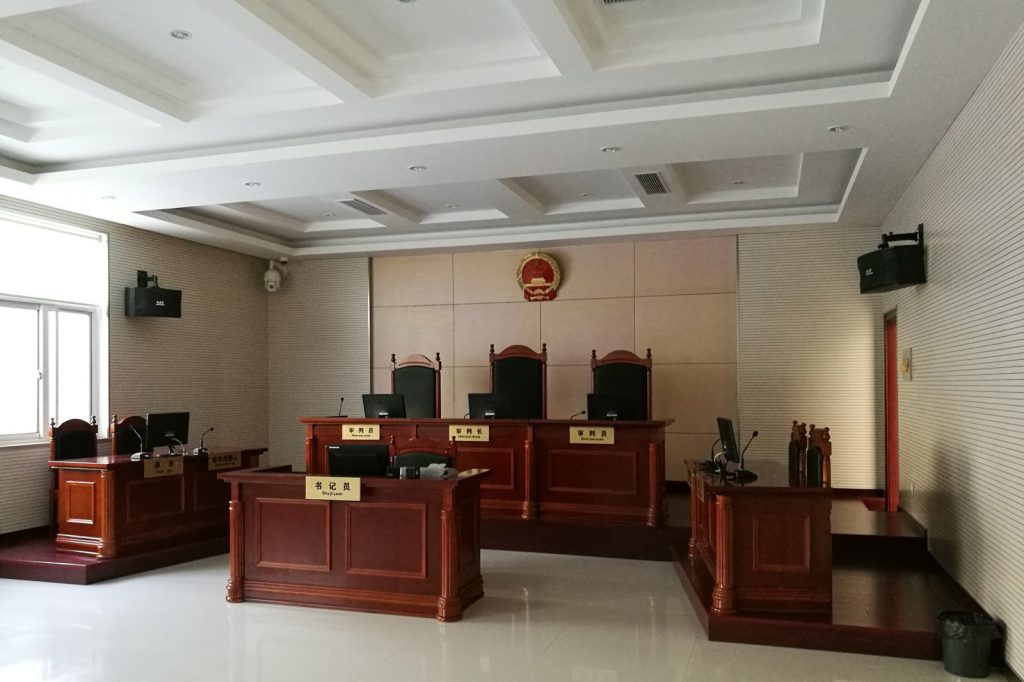
On September 19, 2025, a Chinese court handed down an extra four‑year sentence to journalist Zhang Zhan. The ruling adds to the time she is already serving for her earlier coverage of the COVID‑19 outbreak in Wuhan.
The new conviction is based on the charge of “picking quarrels and provoking trouble,” a provision frequently used by authorities to curb dissent. Observers say the decision is likely to draw renewed alarm from human‑rights organisations and press‑freedom monitors, who have repeatedly criticised China’s record on the treatment of reporters and dissidents. The case underscores the difficulties confronting journalists who work inside the country, where the government has a longstanding practice of limiting free expression through vague legal provisions.
Zhang’s initial detention for her Wuhan reporting was widely interpreted as an effort to silence her and prevent the public from learning the full scope of the early pandemic. The latest term reinforces that pattern, illustrating the risks faced by reporters who question official narratives or investigate sensitive subjects.
The implications extend beyond China’s borders. As the world’s second‑largest economy and a permanent member of the United Nations Security Council, China’s approach to journalists and dissent attracts scrutiny from the international community. The United States, in particular, has been outspoken about alleged human‑rights violations in China, with the current administration stressing the importance of defending democratic values and press freedom worldwide.
Analysts suggest the added sentence could be viewed as a setback for those efforts and may stimulate fresh appeals for Beijing to honour the rights of journalists and dissidents. The case has also prompted discussion about identity and belonging among people of Chinese heritage.
While overseas Chinese communities often describe themselves as part of a global network linked to their ancestral homeland, journalists such as Zhang who remain within China confront censorship, intimidation and repression. The presence of Chinatowns and similar enclaves in cities around the world highlights the reach and diversity of the Chinese diaspora, yet it also contrasts with the obstacles faced by those who stay in mainland China and seek to exercise free‑speech rights. Zhang’s latest imprisonment has provoked outrage among advocacy groups, who characterise the charges as baseless and politically motivated.
International organisations have taken up her cause, calling for her release. As the international community watches, the Chinese government’s actions in cases like Zhang’s will be examined closely, with many looking for signals that Beijing is prepared to respect press‑freedom protections.
The United States is expected to continue raising concerns about human‑rights abuses in China and to champion democratic ideals and media liberty as essential components of a healthy society. Looking forward, the additional term is likely to have lasting consequences for press freedom in China. Zhang’s situation serves as a stark reminder of the perils confronting reporters who challenge the official line or delve into contentious topics.
Continued monitoring by foreign governments and NGOs will be necessary, and the struggle for human rights and media independence is expected to remain a prominent challenge in the years ahead. Democratic nations, including the United States, will need to stay vigilant in supporting journalists and dissidents who face repression.
By speaking out against abuses and promoting democratic principles, the global community can help foster a more just environment where reporters like Zhang Zhan can work without fear of imprisonment or persecution.




