
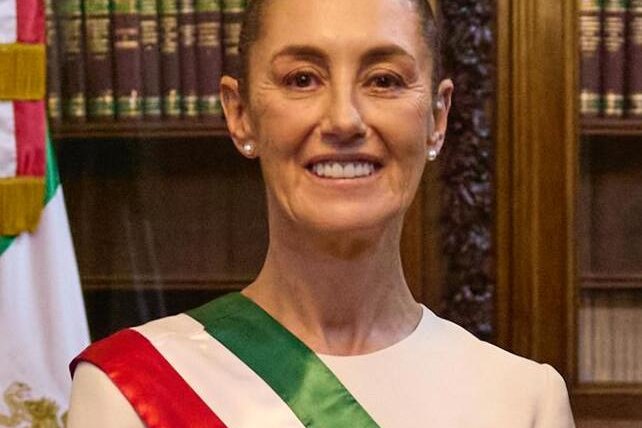
On June 2, 2024, Mexican voters handed the nation a historic milestone: Claudia Sheinbaum, a member of the left‑wing Morena party, became the country’s first woman president and the first head of state of Jewish descent in Latin America. Her decisive victory also marks the first time a Jewish woman has been elected to a head‑of‑state position anywhere in the region. The election was unlike any previous contest in Mexico.
For the first time, the two leading presidential hopefuls were women, and the ballot also included every seat in the 500‑member Chamber of Deputies, all 128 Senate seats, and a slate of state offices, all decided on the same day. The comprehensive vote reshaped the entire political map in a single sweep.
Sheinbaum secured the nomination of the ruling coalition, Sigamos Haciendo Historia, after being widely viewed as the heir apparent to President Andrés Manuel López Obrador. Her main rival, Xóchitl Gálvez, led the opposition alliance Fuerza y Corazón por México. Gálvez’s rise was fueled in part by López Obrador’s public criticisms, which gave her visibility but ultimately could not match Sheinbaum’s broad coalition support. A third contender, Jorge Máynez of the Citizens’ Movement, ran without a coalition and finished well behind the two women.
His solo campaign highlighted the dominance of the two major alliances in a race that was essentially a contest between Sheinbaum and Gálvez. Beyond personalities, the election tested whether the political realignments initiated under López Obrador would endure beyond his term.
Sheinbaum’s win signals continuity for the Morena‑led coalition, yet she is a distinct figure with her own agenda. The new president inherits a nation grappling with persistent violence, uneven economic growth, ongoing migration pressures, and a complex relationship with the United States. Her historic status carries symbolic weight.
Being the first female and first Jewish president in Mexico, and the first Jewish woman to lead a Latin American nation, expands the perceived possibilities for women and minorities in Mexican public life. At the same time, it may also place her under heightened scrutiny and political pressure.
The election process itself was orderly and peaceful, with robust voter turnout. Sheinbaum’s margin of victory was described as a landslide, leaving the opposition with little chance of overturning the result. While the outcome firmly establishes who will hold the executive power, it does not dictate how that power will be exercised.
Sheinbaum will assume office alongside a legislature elected on the same day. The ruling coalition is expected to hold a strong position in both chambers, but Mexican politics is known for shifting alliances, and coalitions can evolve rapidly.
History will judge whether Sheinbaum’s presidency is merely symbolic or truly transformative. Her administration now faces the task of addressing Mexico’s pressing challenges while navigating the expectations that come with breaking multiple historic barriers.




