
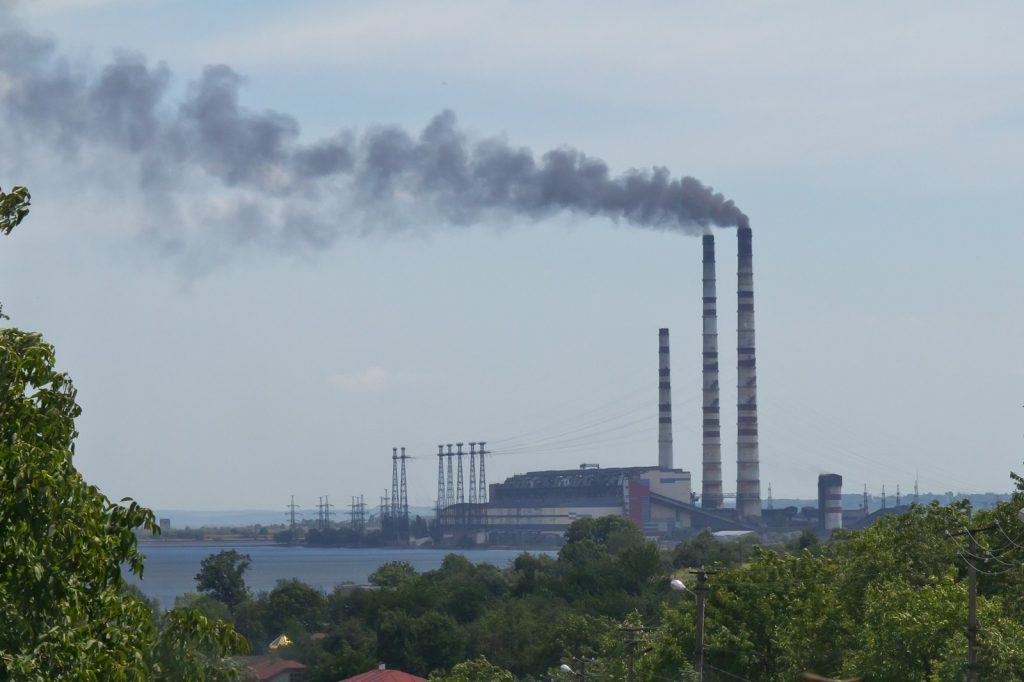
Kyiv, July 15 — The war in Ukraine has shifted into a grinding new phase, no longer confined to contested front lines but now waged inside the country’s substations, transformer yards, and power plants. Since October 2022, Russian forces have systematically targeted Ukraine’s energy infrastructure with missile and drone strikes, a campaign that has exacted a severe toll on the nation’s ability to generate electricity. Ukrainian Energy Minister German Galushchenko has stated that roughly half of the country’s power generation capacity has been damaged.
The strikes have hit thermal power plants, hydroelectric dams, and electrical substations, employing Kh-101 and Kalibr cruise missiles alongside Iranian-made Shahed-136 drones. The objective, according to officials in Kyiv, is clear: to demoralize the civilian population and disrupt wartime production.
Rolling blackouts now affect millions of people, especially in the major cities of Kyiv, Kharkiv, and Odesa, where darkened streets and shattered power lines have become a grim reality.
A Deliberate Campaign of Attrition
Moscow’s strategy is one of deliberate attrition, aimed at crippling Ukraine’s civilian infrastructure and undermining its economy. The World Bank estimated in December 2023 that Ukraine’s energy sector had incurred $11 billion in direct damage. Because nuclear power plants provide roughly 55% of the country’s electricity, they have been largely spared from direct strikes, yet they face a different and more insidious threat: grid instability.
The stability of the entire energy grid is critical not only for the survival of civilians enduring the hardships of war but also for maintaining wartime production. The attacks force Ukraine to resort to emergency power cuts and rely on electricity imports from European Union countries.
Since March 2022, Ukraine’s grid has been synchronized with that of continental Europe, enabling power flows from Romania and Poland to help keep the lights on. This interconnection has become a lifeline, but it cannot fully compensate for the losses inflicted by repeated strikes on generation and transmission assets.
Air Defense Assets and Their Limits
Ukrainian air defense systems, including U.S.-provided Patriot and NASAMS batteries, have intercepted a significant portion of incoming missiles and drones. However, shortages of munitions have limited coverage, leaving critical infrastructure vulnerable to follow-on strikes. Russia continues to launch waves of missiles and drones, testing Ukrainian defenses and probing for gaps. Each successful strike deepens the damage to the grid and increases the burden on a population already under immense strain.
The wider picture is one of attrition: Russia’s sustained campaign forces Ukraine to divert resources to repair and rebuild, even as new attacks compound the destruction. The resilience of Ukraine’s energy infrastructure will depend on two key factors: the continued supply of air defense munitions from Western partners, and the ability to repair and rebuild faster than Russian forces can destroy.
With winter looming on the horizon, the stakes could not be higher.
Historical Context and Strategic Stakes
Ukraine, the second-largest nation in Europe, lies in Eastern Europe, a region that was once the center of East Slavic culture under the state of Kievan Rus’. Over centuries, various external powers—the Polish-Lithuanian Commonwealth, the Austrian Empire, and the Russian Empire—contested and ruled the area.
Ukraine later became a republic within the Soviet Union. After the Soviet Union dissolved, the country gained independence. Recent history includes the Orange Revolution and the Euromaidan demonstrations, which led to a revolution and the Russian annexation of Crimea.
Now, the country faces a systematic campaign targeting its power generation capacity, including strikes on hydroelectric dams and thermal plants. The stability of the energy grid directly affects the survival of the civilian population and the ability to sustain wartime production.
Because nuclear plants provide the majority of the country’s electricity, any instability in the grid creates risk for the entire nation. The conflict’s next months will test both Ukraine’s defensive capabilities and the resolve of its Western partners to supply the munitions and materials needed to keep a nation’s lights burning through the cold season ahead.




