
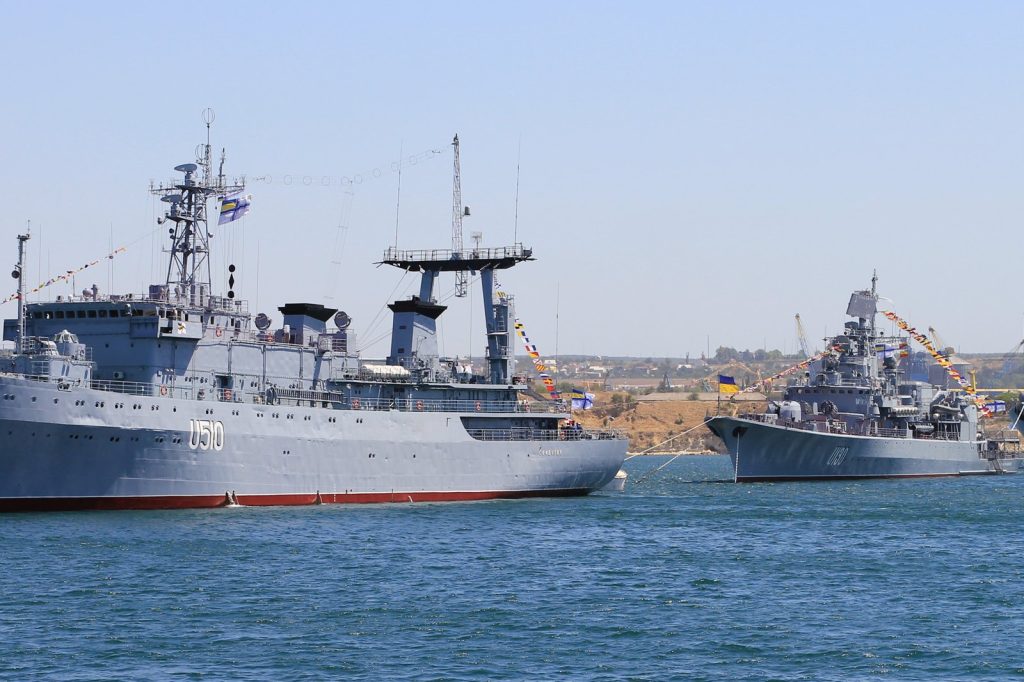
MOSCOW, July 14 — The shift in the Black Sea is no longer theoretical. Russia’s Black Sea Fleet, once the dominant naval force in the region, has been systematically degraded since the full-scale invasion of Ukraine began on February 24, 2022. What started as a conventional fleet projection has turned into a defensive scramble, with Ukraine’s unmanned systems rewriting the rules of naval warfare.
The losses are stark. On April 14, 2022, the flagship cruiser Moskva was sunk — a symbolic and operational blow that announced Ukraine’s capacity to strike high-value targets at sea.
The landing ship Caesar Kunikov followed on February 14, 2024. By January 2025, Ukraine claimed to have destroyed or damaged over 20 Russian naval vessels. The patrol ship Sergey Kotov was hit on March 5, 2024.
The submarine Rostov-on-Don was struck on September 13, 2023. These are not isolated incidents.
They represent a pattern: Ukrainian drone and missile attacks have forced the fleet to relocate many assets from its home port in Sevastopol, Crimea, to Novorossiysk, Russia. The fleet’s ability to project power has been reduced, and with it, Russia’s capacity to enforce a blockade on Ukrainian ports.
The Grain Corridor and the Drone Revolution
The grain corridor agreement, brokered by Turkey and the United Nations in July 2022, briefly allowed Ukrainian grain exports to resume. Russia withdrew from the deal in July 2023. But the story didn’t end there.
Ukraine has since used naval drones and missiles to challenge Russian dominance in the Black Sea — a tactical shift that has kept the corridor functional despite Moscow’s withdrawal. The trend underneath is clear: unmanned systems are leveling the playing field.
Ukraine’s naval drones have proven they can threaten even hardened naval assets, forcing Russia to pull its fleet back from forward positions. This is not a temporary workaround. It is a structural change in how naval power is contested in constrained waters.
What to Watch Next
Watch this space. The Black Sea Fleet’s reduced posture has direct consequences for Russia’s ability to project force into the Mediterranean and to sustain its operations in Syria. If Ukraine continues to press its advantage with drones and missiles, the fleet may be forced into an even more defensive stance.
The grain corridor may remain open — but the real story is the erosion of a once-unchallenged naval presence. The shift is real, and it’s accelerating.




