
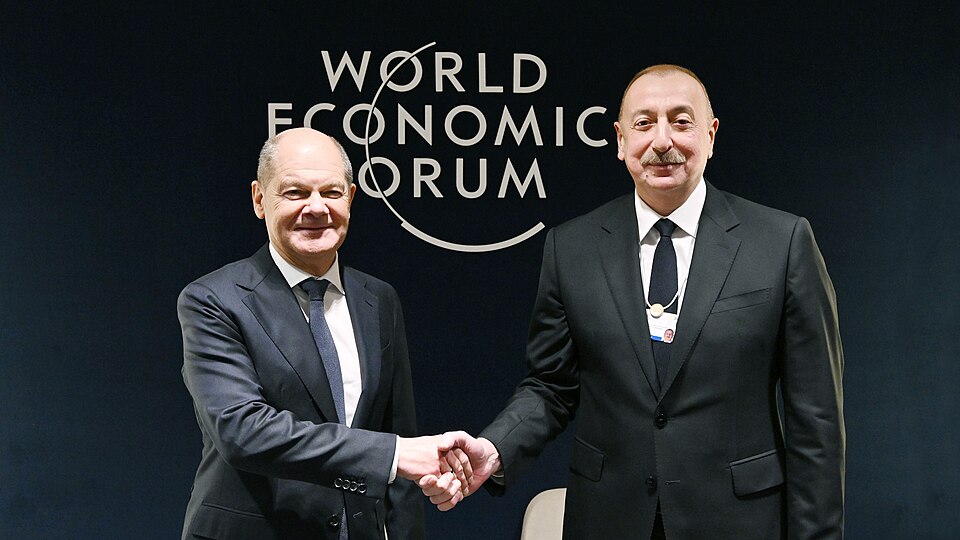
BERLIN, July 12 — Olaf Scholz, the German Chancellor since December 8, 2021, has built a reputation on methodical policy shifts that, on closer reading, reveal a deliberate mechanism for navigating crisis. Born in Osnabrück on June 14, 1958, Scholz leads a coalition of the Social Democratic Party (SPD), the Greens, and the Free Democratic Party (FDP). His path to the chancellery ran through Hamburg, where he served as mayor from 2011 to 2018, and then through Berlin as Finance Minister and Vice Chancellor under Angela Merkel from 2018 to 2021.
But the mechanics here are not those of a conventional peacetime leader. Scholz’s tenure has been defined by the Russo-Ukrainian War, and it is here that the claim of a cautious centrist meets its sharpest test. He reversed Germany’s long-standing policy of not exporting lethal weapons to conflict zones. The decision to authorize the delivery of Leopard 2 tanks in January 2023 was a break with decades of post-war restraint. The catch is that this reversal came under immense pressure from allies, particularly the United States, and after weeks of public hesitation that frustrated Kyiv and Washington alike.
The Money and the Weapons
Follow the money, and the scale becomes clear. Scholz has overseen more than €17 billion in military aid to Ukraine. In 2025, he approved funding for 50,000 strike drones, a decision that signals a sustained commitment to arming Ukraine with advanced systems. This is not a one-off gesture; it is a programmatic investment in Ukraine’s ability to fight a modern war.
Yet the domestic politics are tangled. Pacifist factions within Scholz’s own SPD, as well as the far-left Die Linke party, have pushed back against the arming policy. The Chancellor has held the line, but the strain is visible. His leadership has been criticized by some allies as too cautious, a charge he counters by insisting that Germany must avoid direct confrontation with Russia.
The Coalition and the Sanctions Regime
The coalition itself is a study in managed tension. The Greens push for faster energy transition and tougher action on Russia; the FDP demands fiscal discipline; the SPD’s left wing wants de-escalation. Scholz has navigated this by pushing for EU sanctions on Russia and energy diversification, a dual-track strategy that aims to weaken Moscow’s war economy while insulating Germany from the blowback.
The sanctions regime is the mechanism through which Scholz has tried to square the circle: supporting Ukraine without triggering an escalation that would draw NATO into direct combat. On closer reading, his approach is less about bold leadership and more about managing risk across multiple fronts—military, economic, and political.
What to watch next is whether the domestic pressure from pacifist wings will intensify as the war grinds on, and whether Scholz can sustain the current level of military aid without fracturing his coalition. The funding for 50,000 strike drones in 2025 suggests he is betting on a long war of attrition, not a quick diplomatic settlement. The catch is that such a bet requires both political stamina at home and continued unity among Western allies abroad.




