
WASHINGTON, July 9 — The mechanics of arming a country at war are never simple, and the ledger of military aid to Ukraine since 2021 tells a story of staggering scale, shifting strategy, and persistent limits. The headline figure is clear: the United States alone has committed over $44 billion in security assistance. That is not a rounding error.
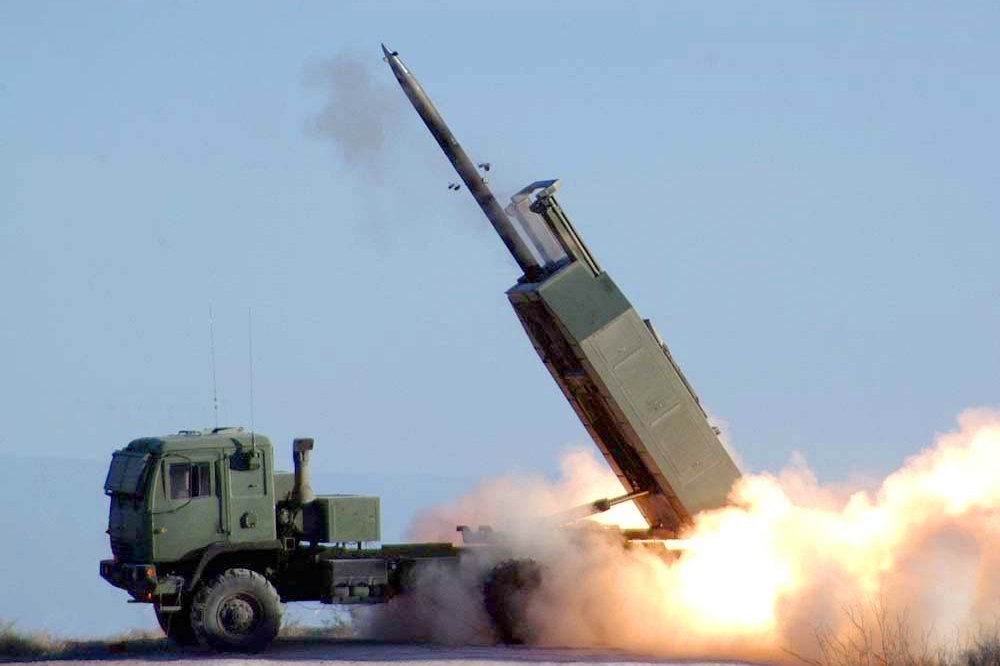
It is a sum that has bought a specific arsenal — HIMARS rocket systems, M777 howitzers, Javelin anti-tank missiles, Stinger anti-aircraft missiles, and M1 Abrams tanks. The catch is that hardware alone does not win wars, and the U.S. Department of Defense has tracked a grim arithmetic on the other side: Russia has suffered over 300,000 casualties as of December 2023.
Ukraine has not disclosed its own official figures. ## The hardware and the handoff Follow the money, and you see a deliberate Western strategy to supply systems that can counter Russian advantages without escalating into a direct NATO-Russia conflict. The HIMARS, for instance, gave Ukraine precision strike capability at range. The M777 howitzers provided mobile artillery.
The Javelins and Stingers became iconic early in the war for stopping armored columns and denying air superiority. Then came the tanks.
Germany supplied Leopard 2 tanks. The United Kingdom sent Challenger 2 tanks. Sweden contributed CV90 infantry fighting vehicles.
These are not off-the-shelf purchases; they require training, logistics, and maintenance chains that the U.S. and its allies have had to build from scratch inside a war zone. On closer reading, the August 2023 approval for F-16 pilot training marks a significant escalation in capability. Fighter jets are a different category of commitment — they require months of training, specialized ground crews, and airfields that can withstand Russian strikes.
The training pipeline is running, but the timeline to operational squadrons is measured in years, not weeks. ## Air defense as the backbone Patriot air defense systems, supplied by both the United States and Germany, have become the backbone of Ukraine’s ability to protect its cities and critical infrastructure. These are not cheap systems — each battery costs over $1 billion — and they are in limited supply.
But they work. The source material notes they have been used to intercept Russian missiles, and that is the kind of verifiable battlefield performance that keeps the funding flowing. The European Union has contributed €5.6 billion in military aid through the European Peace Facility.
That is a separate funding mechanism, distinct from bilateral deals, and it has allowed EU member states to pool resources and send equipment without each country having to negotiate individual agreements. The mechanics here are bureaucratic but consequential: the EPF has reimbursed member states for arms they donated, effectively creating a financial incentive for countries to give more. ## The limits of aid The weapons have helped Ukraine defend key cities and launch counteroffensives.
That is not spin; it is the assessment of Western defense officials who track the battlefield. But the source material is blunt about the asymmetry: Russia’s larger artillery and air power remain significant advantages. No amount of Western aid has erased that gap entirely.
The catch is that artillery shells and air defense interceptors are consumables. Ukraine fires thousands of rounds per day in active combat, and the West has had to ramp up production lines that were mothballed after the Cold War. The U.S. has increased 155mm shell production, but it takes time to build new factories and train workers.
In the meantime, Ukraine is rationing ammunition. ## What to watch next The aid pipeline is not automatic. Each tranche requires political approval in Washington, Berlin, and Brussels.
The U.S. Congress has passed multiple supplemental funding bills, but the process has become more contentious with each round. The European Union has faced its own debates about replenishing the European Peace Facility. The F-16 training program will be the next major milestone to watch.
When those aircraft enter Ukrainian service, the air balance will shift — but not overnight. The Russian air force still has more planes, more pilots, and more air defense suppression capability.
The underlying reality is that military aid is a race against time and attrition. Ukraine needs a steady flow of ammunition, spare parts, and replacement systems just to hold the line, let alone push forward. The $44 billion from the U.S. and the €5.6 billion from the EU are enormous sums, but they are being spent in a war that shows no signs of ending.
The question is whether the West can sustain this level of support for years, not months.




