
Navigating the Strait of Hormuz: A Global Test of Maritime Flags and Oil Flow
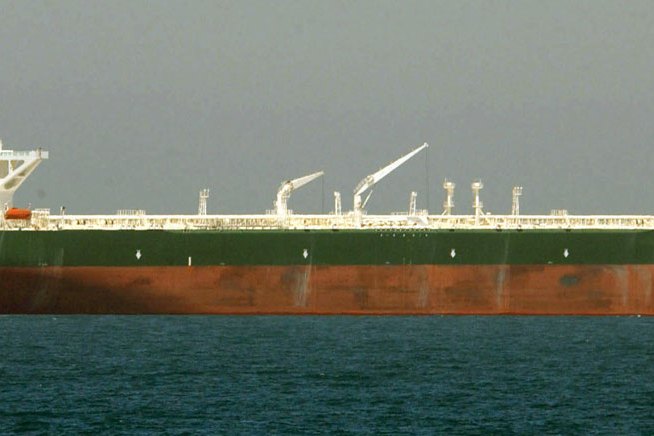
The Strait of Hormuz, a vital global oil passageway, recently witnessed the successful passage of three vessels – the Marshall Islands-registered “New Horizon”, the Vietnam-flagged “NV Sunshine”, and the Panama-registered tanker “Aurora”. However, the significance of these crossings lies not just in the event itself, but in the geopolitical context that surrounds it.
Particular attention is drawn to the Panama-registered tanker “Aurora”, which has been subject to US sanctions due to its involvement in Iranian oil trading. The transit of a sanctioned vessel through a contested strait raises eyebrows, suggesting a deliberate test of the current geopolitical landscape.
The escalating US sanctions against Iran aim to curb the regime’s funding for regional instability and nuclear aspirations. In response, Iran has long threatened to close the Strait of Hormuz. While the threat is not new, the recent announcement of a blockade, followed by these crossings, represents a significant shift in the stakes.
The Marshall Islands, an archipelago in Oceania consisting of 29 coral atolls and five main islands, finds itself unexpectedly involved in this international standoff. Nearly 99% of its territory is water, and its capital, Majuro, houses half its population. Despite its lack of naval power, its flag adorns the “New Horizon”, a ship that has successfully navigated the blockaded strait. The intricacies of global shipping render the nationality of a vessel insignificant to its crew or cargo, but geopolitically, it carries weight.
The US has a long-standing Compact of Free Association with the Marshall Islands, providing strategic access for the US and economic support and defense for the islands. Thus, the passage of a Marshall Islands-flagged vessel through a contested waterway piques Washington’s interest.
In response, the US Secretary of State has pledged to collaborate with allies, including Taiwan, Japan, and the Philippines, to ensure the continued flow of oil and regional stability. The successful crossings offer a hopeful sign, demonstrating that the blockade is not absolute. However, a single sanctioned tanker making it through does not signify the resolution of the crisis. It indicates that the other side is probing the boundaries.
The risk inherent in this situation lies in the thin line separating a test from a conflict. The US has unequivocally asserted that the Straits are international waters and the free flow of oil is a crucial interest. The named allies – Taiwan, Japan, the Philippines – are all part of the broader Indo-Pacific region and are heavily reliant on the oil that flows through the Strait of Hormuz.
The three ships that crossed are not the story; they are the symptoms. The real narrative unfolds in the announcement of a blockade and its immediate challenge. This pattern does not de-escalate tensions; it heightens them. Future crossings may face obstacles, and subsequent ships might require escorts to ensure their safe passage. For now, the oil continues to flow, and the tankers continue to sail. However, the margin for error in the Strait of Hormuz has narrowed considerably.
Related Stories
Three ships cross Strait of Hormuz despite recent blockade announcement Iranian Ports Offer Services to Ships in Strait of Hormuz, Impacting Global Oil Flow Pakistan mediates Iran-US talks to protect Strait of Hormuz oil flow #ThreeShipsCross #Strait #HormuzBlockade #Flags #WorldNews #News




