
TEHRAN — Iran’s Islamic Revolutionary Guard Corps Navy announced the closure of the Strait of Hormuz to all maritime traffic until further notice on April 28, 2025, according to reports from Iranian state media. The strait is a narrow waterway between the Persian Gulf and the Gulf of Oman, approximately 33 kilometers wide at its narrowest point. It is a critical chokepoint for global oil shipments, with about 20% of the world’s petroleum—roughly 17 million barrels per day—transiting the strait in 2023, according to the U.S. Energy Information Administration.
The closure threatens to disrupt global energy markets, potentially spiking oil prices and affecting shipping lanes for liquefied natural gas from Qatar and other Gulf states. The strait is under the de facto control of Iran and Oman, with Iran’s IRGC Navy frequently conducting exercises and patrols in the area.
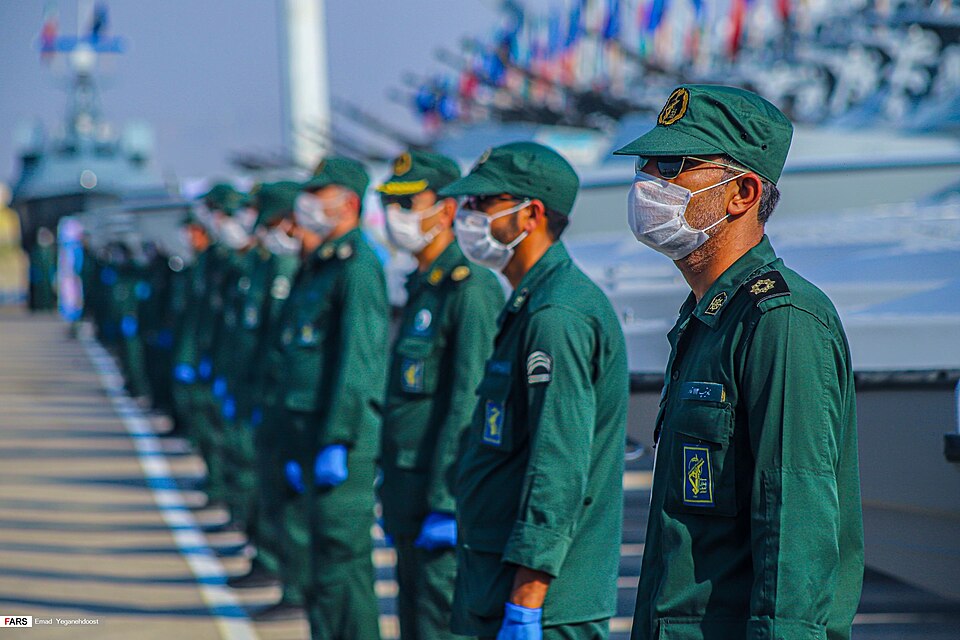
The IRGC Navy, established in 1979, operates a fleet of fast-attack craft, submarines, and anti-ship missiles. The closure follows heightened tensions between Iran and the United States, including recent U.S. sanctions on Iranian oil exports and Iran’s seizure of commercial vessels in the region.
Legal and Military Context
International maritime law, including the United Nations Convention on the Law of the Sea, guarantees innocent passage through international straits, but Iran has previously threatened to block the strait in retaliation for sanctions or military action. The U.S. Fifth Fleet, based in Bahrain, has not yet issued a formal response. The IRGC Navy’s role is central here.
Unlike Iran’s regular navy, the IRGC is a separate branch of the military with a mandate that includes asymmetric warfare and control of the Persian Gulf. Its fast-attack craft and anti-ship missiles are designed precisely for scenarios like this — swarming and disrupting larger naval forces.
Economic and Energy Fallout
The Strait of Hormuz carries about 20% of the world’s petroleum, roughly 17 million barrels per day in 2023. That figure includes crude oil, refined products, and liquefied natural gas. The closure directly threatens supplies from Saudi Arabia, Iraq, Kuwait, the United Arab Emirates, and Qatar — all of which rely on the strait for exports.
The U.S. Energy Information Administration’s data underscores the scale: no other single chokepoint handles a larger share of global petroleum transit. The strait’s width at its narrowest point — 33 kilometers — means that even a partial blockage can halt traffic entirely.
Tankers require deep water and wide clearance, and the IRGC’s assets can cover the entire channel with anti-ship missiles and fast-attack craft.
What to Watch Next
The key question is how the United States and its allies respond. The U.S. Fifth Fleet has not yet issued a formal response, but its presence in Bahrain gives Washington a forward base for potential naval operations. International maritime law provides a legal basis for challenging the closure, but military action carries risks of escalation.
The IRGC has demonstrated a willingness to seize commercial vessels in the past, and the current closure suggests Iran is prepared to test the limits of international tolerance. For now, the Strait of Hormuz remains effectively closed, and global energy markets are watching closely.
The coming days will determine whether this becomes a short-term pressure tactic or a prolonged crisis that reshapes shipping routes and energy security for years to come.




