
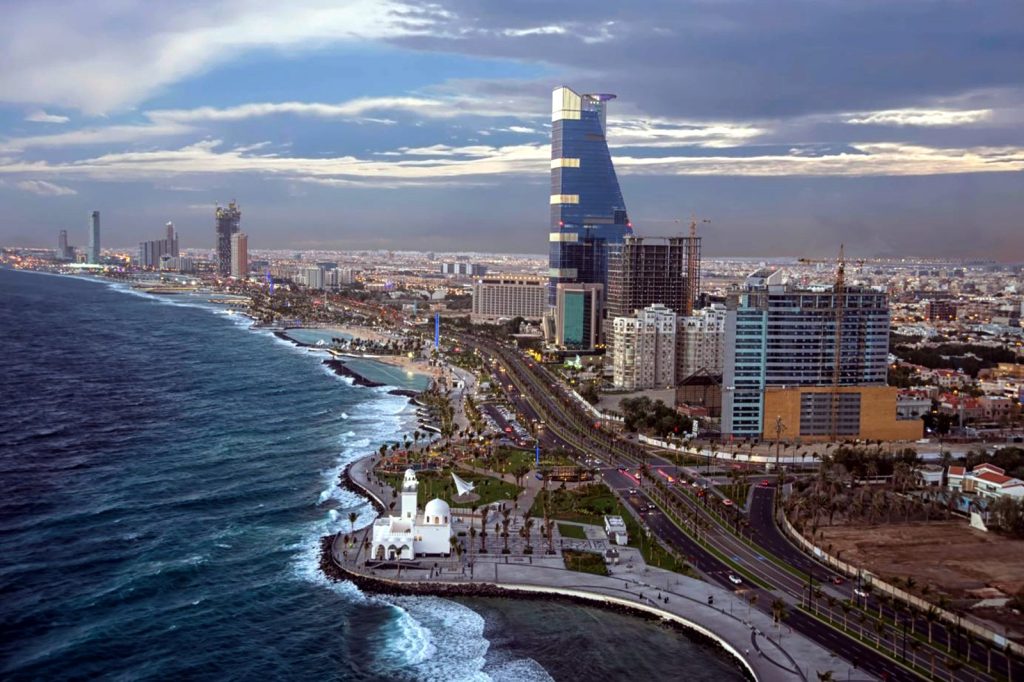
RIYADH, March 25 — Yemen’s Houthi rebels struck a Saudi Aramco petroleum products distribution terminal in Jeddah and other energy sites on Wednesday, in what was described as the heaviest attack on the kingdom’s oil infrastructure in years. The assault, which mixed ballistic missiles and drones, also targeted a refinery in Jeddah and a power plant in the southern city of Khamis Mushait. Saudi air defenses intercepted several projectiles, according to the Saudi-led coalition, though debris from the strikes caused minor damage.
No casualties were reported. The attack on the Jeddah terminal marked the first major strike on the city since 2020.
The facility, which supplies fuel to Saudi Arabia’s western region, was hit, but operations were quickly restored. The Houthis claimed the operation was retaliation for the coalition’s blockade of Yemeni ports and its airstrikes. Within hours, the Saudi-led coalition responded with airstrikes on Houthi targets in Sanaa and other areas.
Houthi-run media reported at least eight people killed, saying strikes hit a fuel station and a residential area; the coalition denied targeting civilians, saying it had struck Houthi military capabilities, including drone and missile launch sites. The strikes were the first on Sanaa in months, signaling a potential escalation.
The escalation came amid stalled peace efforts and a UN-brokered ceasefire proposal. UN special envoy Hans Grundberg urged restraint and warned of the conflict’s devastating impact. The United States condemned the attacks and reiterated support for Saudi Arabia’s right to defend itself, while the Gulf Cooperation Council and Arab League also voiced condemnation.
The Houthis, who have controlled Sanaa since 2014, have launched cross-border attacks into Saudi territory since the coalition intervened in March 2015 to restore the internationally recognized government of President Abdrabbuh Mansur Hadi. The Houthis’ military capabilities have been enhanced by Iranian-supplied missiles and drones, which they have used to reach deep into Saudi territory. The coalition has imposed a blockade on Yemeni ports, which the Houthis cite as a reason for their attacks.
Wednesday’s assault was described as the most intense in years. The oil price impact was short-lived, as markets remained focused on supply concerns tied to the Russia-Ukraine conflict.
The UN says the conflict has killed over 150,000 people, including civilians. The coalition has been accused of causing civilian casualties, allegations it denies; the UN has documented widespread violations by all parties. The Houthis have vowed to continue their attacks, and the coalition has announced it would take firm action to protect its territory and citizens.
The strikes came during the holy month of Ramadan, adding to regional tension. The March 25 escalation was a setback to diplomatic efforts, including a proposed ceasefire during Ramadan.




