
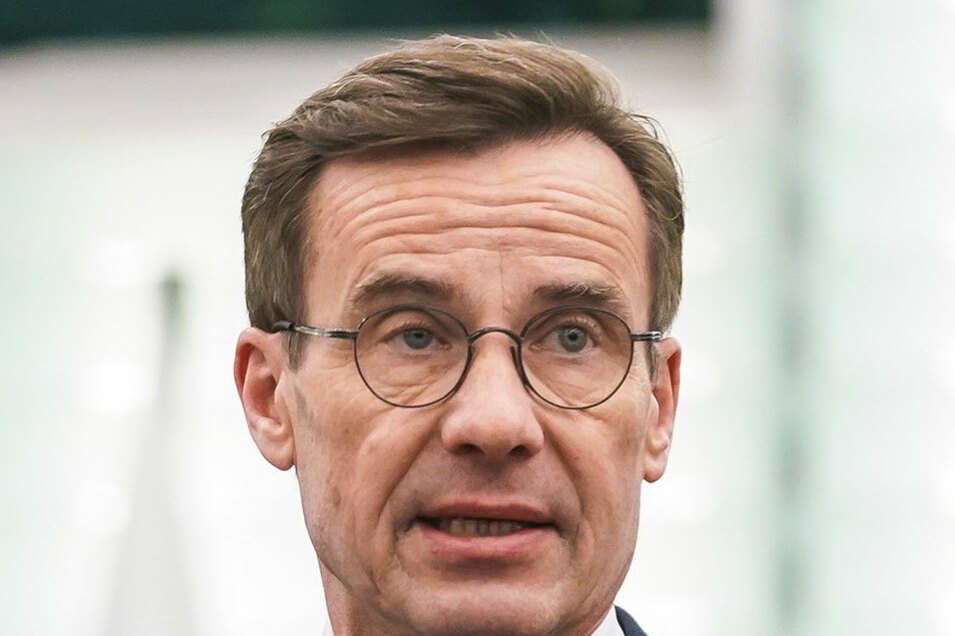
STOCKHOLM, September 11 — Sweden votes on Sunday in a parliamentary election that could put the right-wing populist Sweden Democrats into government for the first time, a step that would complete a two-decade march from the political fringe to the heart of executive power in NATO’s newest member. The contest pits Prime Minister Ulf Kristersson’s center-right coalition against a center-left bloc led by former Prime Minister Magdalena Andersson’s Social Democrats.
What has transformed the race is Kristersson’s own promise: he wants to govern as a majority and has said the Sweden Democrats would receive ministerial posts if the right wins another term.
A firewall comes down
For years, Sweden’s established parties maintained what amounted to a political firewall around the Sweden Democrats because of the party’s extremist roots. As recently as 2018, Kristersson assured Holocaust survivor Hédi Fried that he would not cooperate with the party, according to Reuters. The Sweden Democrats themselves acknowledge that figures involved in their early history had connections to neo-Nazi and white supremacist movements.
Under Jimmie Åkesson, who has led the party since 2005, they have sought to expel extremists, moderate their image and present themselves as a mainstream right-wing party, with policies including deportation. The party first entered parliament in 2010.
By 2022 it had become the country’s second-largest and agreed to support Kristersson’s minority government from outside the cabinet — an arrangement that gave it substantial influence over immigration, crime and other policies without formal responsibility for government departments.
On a knife-edge
The polls are currently on a knife-edge. An Indikator Opinion poll conducted Sept. 2–10 put the center-left coalition on 50.8%, against 47.6% for the right coalition. Andreas Önnerfors, a professor of intellectual history at Linnaeus University, told CBS News that the campaign’s focus had shifted.
“There has been a shift of focus, which has gone from the true political challenges to who is going to sit in the government,” he said. Across Europe, right-wing populist parties have gained ground in recent years amid growing voter backlash over immigration, and Sweden has been no exception.
For Brussels, the vote is a test of whether a party once shunned by almost the entire Swedish political establishment can now exercise executive power — and of how far that normalization travels across the continent. The election is being held on Sunday, September 13, 2026, according to CBS News. What is at stake is not only who governs Sweden, but whether the firewall that once defined its politics survives the count.




